
Selection of astronauts for manned return to lunar soil gains strength behind the scenes at the agency

The North American space agency has begun the screening process to define the members of the Artemis IV mission. Planning points to the year 2028. The operation marks the return of humans to the surface of Lua after more than five decades apart. Dois selected professionals will descend on the lunar south pole region. Eles will remain in the extraterrestrial environment for approximately seven days. The complexity of the trip demands extreme physical and mental preparation from those involved.
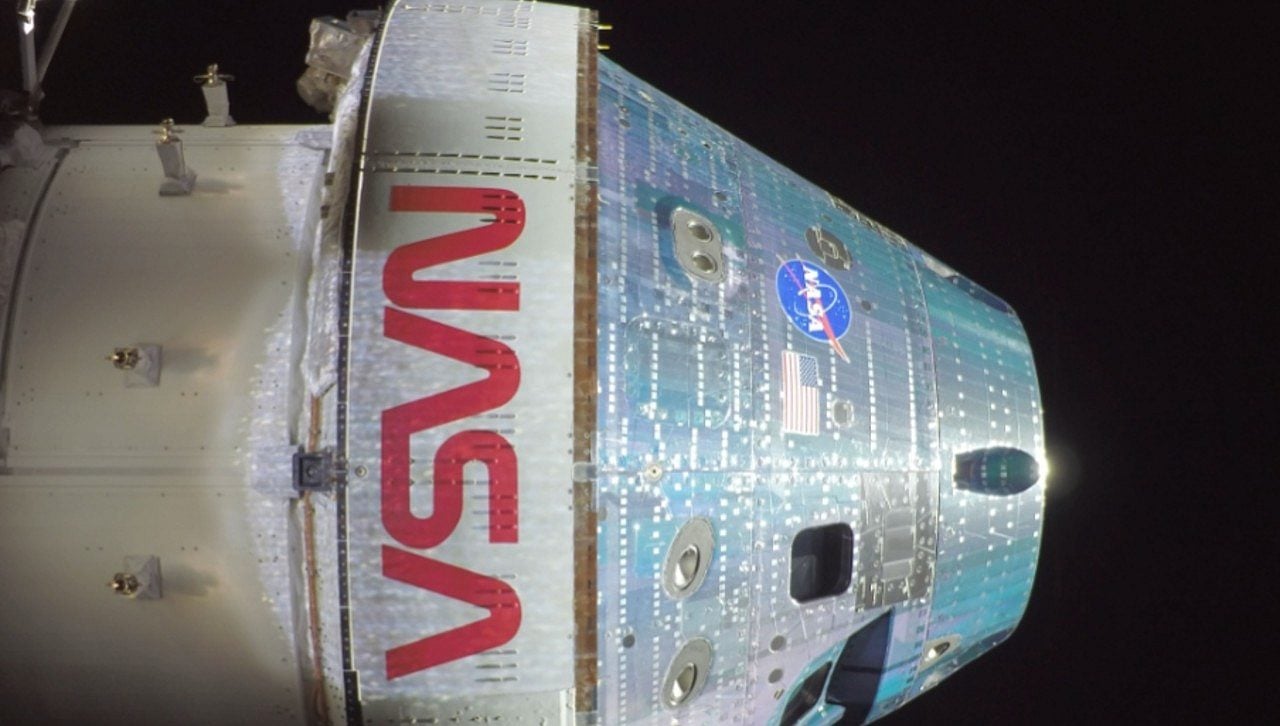
The advance in choices comes shortly after the success of the Artemis II test flight in early April. Engenheiros analyze telemetry data from the Orion capsule. The previous stage ensured the necessary security to accelerate the official schedule. The Artemis III mission precedes the landing with complex low-orbit docking tests of Terra in the year 2027. The current focus is on assembling a highly technical and diverse team.

Perfis technical and geology experience dominate reviews
The accumulated time in a microgravity environment represents a fundamental criterion in the analysis of curricula. Especialistas seeks professionals with a proven track record in extravehicular activities. Jessica Meir emerges as one of the strong names in the dispute. Ela has more than 200 days of experience in orbit. The professional has on her CV participation in the first spacewalk carried out exclusively by women.
Academic training focused on the study of rocks adds weight to candidates. Jessica Watkins stands out with an advantage in this specific aspect. The geologist completed 170 days aboard Estação Espacial Internacional. Ela made history as the first black woman to join a long-term expedition. Practical knowledge in soil analysis favors the exploration of the shadowed craters of the lunar south pole. The region is home to potential reserves of frozen water.
Veteranos from the space shuttle program also appears on the preliminary evaluation lists. Stephanie Wilson brings the luggage of multiple highly complex orbital flights. The presence of mature profiles guarantees psychological stability in emergency situations. Andre Douglas runs on the outside with a PhD in systems engineering. Ele served as immediate reserve for the crew of Artemis II and is familiar with recent operational protocols. Randolph Bresnik’s history is also highlighted in the institution’s corridors. Conhecido like Randy, he accumulates previous missions and offers vast institutional knowledge on how the equipment works.
International Parcerias expands the range of candidates for the trip
The group’s final composition may go beyond Estados Unidos’s borders. Acordos Diplomats foresee the inclusion of allied nations in the exploration program. Canadian Jeremy Hansen has already secured his seat in Artemis II. The precedent paves the way for new foreign seats. Representantes from other space agencies monitor available vacancies with great anticipation.
Documentos internals cite the possibility of integrating astronauts from the Asian and European continent. Suwa Makoto represents Japão’s interests in the contemporary space race. Rosemary Coogan appears as Reino Unido’s main bet. The division of costs and sharing of technologies justify the presence of crew members of different nationalities. The final decision will depend on political alignment in the coming years.
Joint training already takes place at the Centro Espacial Johnson facilities at Texas. The mixed teams carry out exhaustive walking simulations on uneven terrain. Instrutores assess the ability to communicate between people from different cultures under extreme pressure. The language barrier requires strict safety protocols during surface operations.
Official Cronograma sets strict qualification steps
The launch calendar requires mathematical precision from the ground teams. The agency divided the program into incremental phases of risk. Artemis III will function as a dress rehearsal in deep space. Engineers will test landing modules developed by the private sector. Validation of life support systems precedes any descent authorization.
The architecture of the 2028 mission presents unique characteristics in relation to the Apollo project. The planning differs drastically from the rapid missions carried out in the 1970s. The technical parameters require constant adaptations:
- The stay on lunar soil will last approximately one uninterrupted week.
- Apenas two of the four crew members will actually descend to the surface.
- The landing site is concentrated exclusively in the south polar region.
- Collecting deep geological samples leads scientific priorities.
- Habitability tests set the stage for future fixed bases.
The official announcement of the chosen names will only take place in the months leading up to the launch. Flight directors prefer to maintain a broad pool of candidates in active training. Last minute Mudanças happens frequently due to medical issues. Rigorous physical conditioning eliminates several candidates throughout the selection process.
Análise from previous flight data guides new guidelines
The safe return of the Orion capsule provided a massive volume of telemetry information. Computadores process the behavior of the heat shield during re-entry into the Earth’s atmosphere. Material wear exceeded initial estimates in some specific points. Técnicos works on reformulating metal alloys to guarantee the integrity of the crew. The structural safety of the vehicle dictates the pace of future launches.
Emergency simulations gained new contours after reviewing flight reports. Astronauts extensively train mission abort procedures on the launch pad. Quick extraction of the capsule in the event of an anomaly in the rocket boosters requires perfect synchronization. Maritime rescue Equipes also updates their ocean recovery tactics.
The program’s ultimate objective goes beyond simply planting a flag in the lunar regolith. Building sustainable infrastructure paves the way for Marte exploration in the decades to come. Mastering local resource extraction techniques will reduce dependence on supplies shipped from Terra. Cada operation detail undergoes rigorous scrutiny by independent security committees. The meticulous selection of the pioneers of this new era defines the success of the entire aerospace complex.





