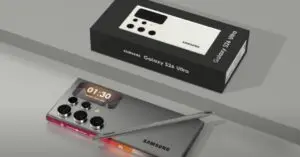
Samsung prepares technological leap with silicon-carbon batteries for future premium models
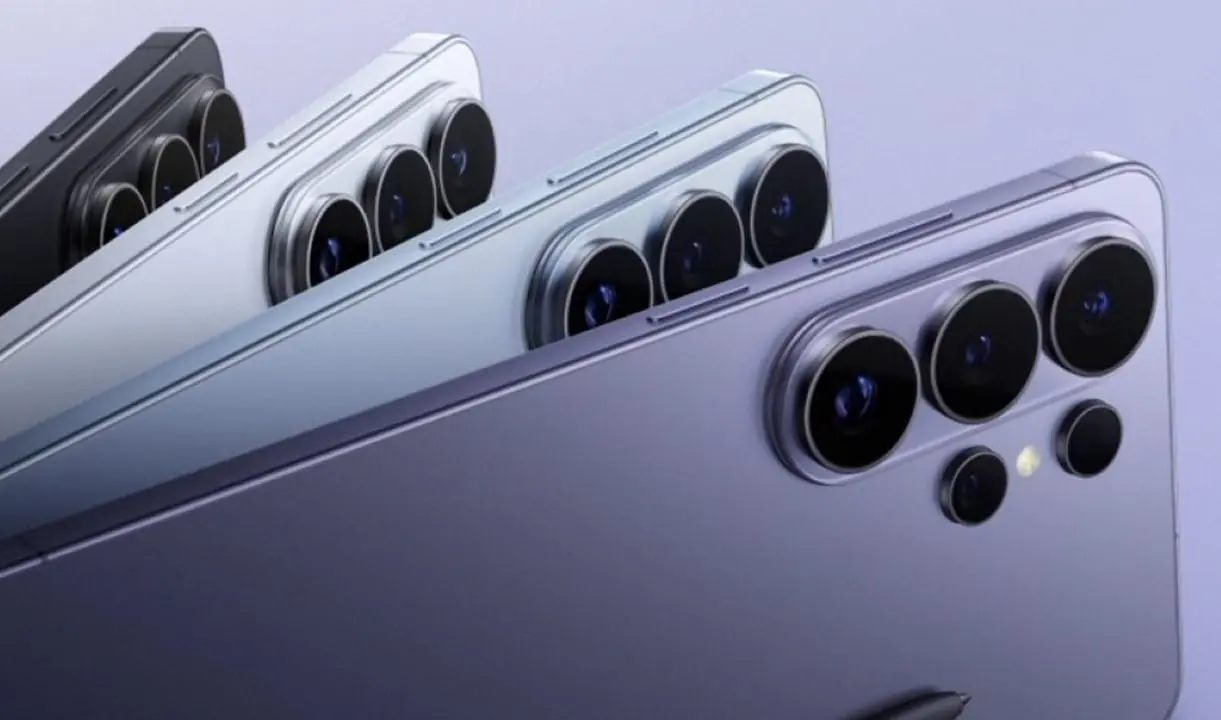
South Korean manufacturer Samsung is advancing in the development of a new generation of energy accumulators for its most expensive mobile devices. The company’s Engenheiros works on replacing traditional graphite with silicon-carbon anodes in power cells. The structural change aims to equip the brand’s future line of high-end cell phones. The unprecedented component promises to change the dynamics of electrical consumption in portable devices. The telecommunications industry seeks viable alternatives to support the increasingly demanding hardware of modern phones.
The most complete next generation model appears as the main candidate to introduce the technology into the company’s portfolio. The chemical transition makes it possible to store a considerably larger amount of lithium ions in the same physical space. Especialistas from the hardware sector follows the manufacturer’s internal tests closely. The adoption of the new material resolves a historical engineering bottleneck in relation to screen time for high-performance equipment.
Vantagens of the new chemical composition in the components
Silicon has a natural ability to retain much more energy than materials currently used in the electronics industry. Essa key feature paves the way for creating power modules with superior density. The molecular arrangement of carbon combined with silicon stabilizes charge transfer during daily use. Modern Aparelhos require constant power to process artificial intelligence tools and complex real-time graphics.
The thickness of cell phones represents a hard physical limit for industrial designers. Conventional lithium-ion Bateriass need to increase in physical size to deliver more milliamp-hours. The new architecture gets around this geometric barrier efficiently. Fabricantes manages to maintain the thin and elegant design of the products while delivering autonomy far superior to current market standards.
Outro central aspect of the design involves the longevity of the component over years of continuous use. Relatórios technicians point out that the new cells support up to 1500 complete charge and discharge cycles with minimal degradation. The number represents a significant advance compared to traditional accumulators. Consumidores change devices less frequently these days. Battery durability has become a decisive factor when purchasing a new device.
Learn more: Samsung defines smaller battery for the Galaxy S27 Ultra and focuses on extreme security
Desafios technicians demand caution from the South Korean manufacturer
The commercial implementation of silicon faces complex physical obstacles that have delayed its arrival on the global market. The material undergoes severe volumetric expansion when it absorbs lithium ions during charging. Esse internal swelling causes microcracks in the battery structure after a few weeks of intense use. The rapid loss of charge-holding capacity derailed previous prototypes that attempted to deliver extreme capabilities.
The Asian conglomerate’s specialized energy division leads efforts to mitigate these undesirable effects. Documentos engineering reveals profound changes in the design of the internal separator and the method of stacking the chemical layers. Programadores also rewrites the operating system’s thermal management firmware. The software starts to dynamically control the input of electrical current to avoid mechanical stress on the silicon.
Marcas competitors based on China already sell phones with early versions of this chemical technology. The South Korean giant opted for a conservative strategy before scaling production to tens of millions of units. The industry’s history with battery thermal failures dictates the rigorous pace of safety validations. The company’s laboratories subject parts to extreme temperature, pressure and drilling tests before any commercial approval.
More on this story: Revolutionary battery doubles energy and recharges in minutes, says research
See Also

Nintendo launches first major update of 2026 for Switch 2 with new music

Capcom plans to release Resident Evil 9 and 10 alongside remakes of classics

Harvard astrophysicist assesses that giant comet 3I/ATLAS could be an alien spacecraft
Impacto directly into consumers’ routine use
The change in internal components directly changes the way the user interacts with the equipment throughout the day. The need to charge your phone in the middle of the afternoon should decrease drastically with the new power architecture. The efficiency gain affects several areas of the operating system.
- Aumento significant in the continuous playback time of high-resolution videos.
- Maior performance stability during prolonged heavy gaming sessions.
- Redução of dependence on portable chargers on long trips.
- Otimização of power consumption when using high-speed mobile networks.
The balance between weight and energy capacity defines the ergonomics of a premium mobile device. Telefones that exceed the 5000 mAh mark with old batteries tend to weigh heavily on the user’s pocket. The density of silicon-carbon solves this mathematical equation elegantly. The consumer gains additional hours of browsing without holding a heavy and uncomfortable pad in their hands during prolonged use.
Adaptação from the production chain and technology sector
The technological transition requires adaptations throughout the electronic components supply chain. Raw Materials Fornecedores adjusts its production lines to meet future demand for purified silicon compounds. The movement of a market-leading company often dictates trends for the rest of the global industry. Analistas financiers project that other brands will adopt similar solutions in the following years so as not to lose competitiveness.
On the same topic: Official document details battery capacity for iPhone 18 Pro and Pro Max
The manufacturing cost of these new cells still exceeds the value of traditional graphite batteries. Economies of scale should gradually reduce prices as production increases in Asian factories. The heavy initial investment in research and development reflects the urgency of companies in finding hardware differentiators. The premium smartphone market has stagnated in terms of exterior design in recent years.
Cronograma testing and release expectations
The industry calendar points to early 2027 as the likely launch window for the new high-end smartphone series. Até At this time, engineers continue to refine mass manufacturing processes. The exact nominal capacity that will reach the shelves depends exclusively on the results obtained in the final certification phase. The market awaits the official milliampere-hour figures with great anticipation.
Enquanto innovation does not reach the required level of maturity, current models continue to use reliable lithium-ion batteries. Consistency in daily operation remains the manufacturer’s absolute priority for its most expensive products. Quiet development in the labs ensures that the next big technological leap occurs smoothly.
Confirmation of the use of silicon-carbon will represent a milestone in the evolution of portable hardware. Technology Usuários monitors industrial information leaks for details on advancement. The ability to keep a phone running for two full days on a single charge is once again a tangible goal for mobility engineers.
More on this story: BYD automaker reveals 2026 Qin Plus hybrid sedan with combined range of two thousand kilometers