The explosion of artificial intelligence postpones the launch of Valve’s new laptop until 2028
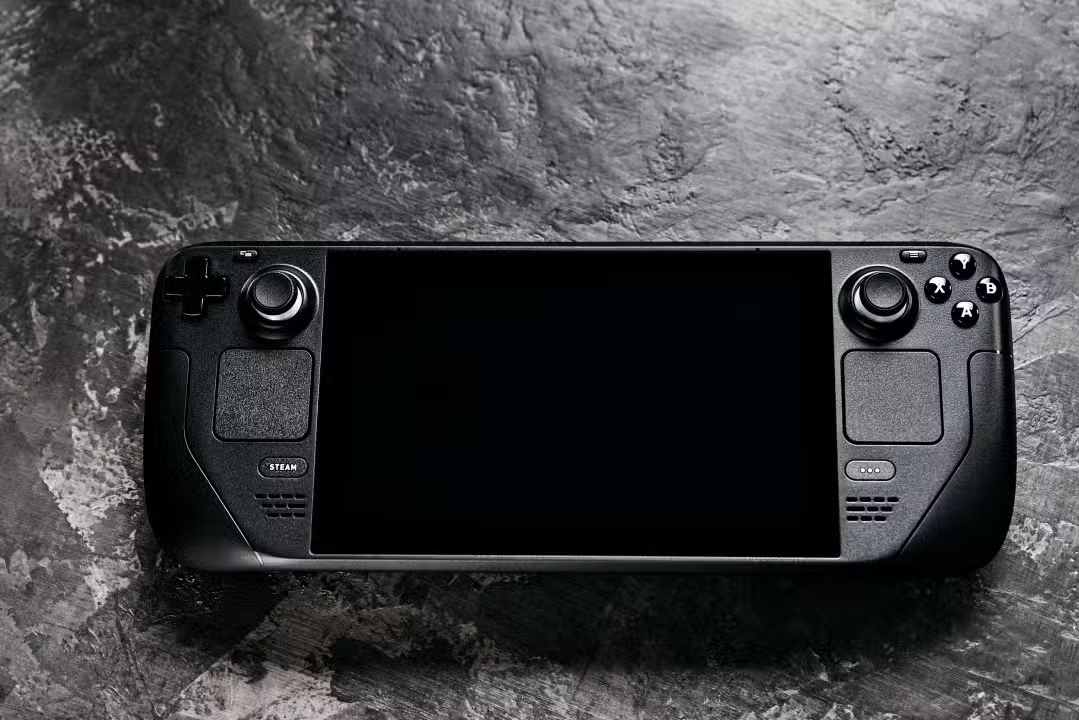
Valve has adjusted the launch schedule for its next generation of portable consoles to the year 2028. The decision comes amid a global bottleneck in the semiconductor supply chain. The technology market is facing a severe shortage of electronic components essential for assembling high-performance hardware. The manufacturer seeks to overcome logistical obstacles before presenting the new equipment to the public.
The main factor for the delay is the explosive demand for servers dedicated to artificial intelligence. Grandes data centers are absorbing the production capacity of major Asian factories. Isso directly affects the availability of RAM and high-speed storage drives. The company tries to avoid passing on high costs to the end consumer, maintaining the philosophy of affordable prices. The current model with an OLED screen already has limited stocks in some specific regions of the world.

The impact of artificial intelligence on the supply chain
The race to develop intelligent systems has changed the dynamics of the entire hardware industry. Componentes that once fueled the video game industry are now targeted at complex corporate infrastructures. The cost of producing advanced chips has risen significantly in recent months. Valve depends on partnerships with suppliers who currently prioritize billion-dollar contracts with technology giants. Essa’s change of focus on the silicon market forced the company to recalculate its internal deadlines.
The corporation’s strategic planning calls for extreme caution when purchasing parts. Lançar an electronic device during a period of rising semiconductor prices would compromise the project’s profit margin. The company assesses that the stabilization of the memory market should only occur solidly in the coming years. Até there, the tactic is to maintain the relevance of the current version of the device through software updates. Analistas from the sector point out that the normalization of global inventories will require the construction of new processing plants.
Arquitetura AMD and the thermal challenges of new hardware
The future portable console will use cutting-edge technologies developed by AMD to ensure a true generational leap. Engineers work on integrating the Zen 6 architecture into the system’s main processor. The graphics part will be handled by RDNA 5 technology. Essa combination promises a brutal increase in performance compared to models available on the shelves today. The central objective is to run heavy titles with absolute fluidity on a compact high-resolution screen.
The increase in power brings complex obstacles for the industrial design team. A faster processor generates considerably more heat during heavy use. Cooling a device that the user holds in their hands requires precise and silent engineering solutions. Além Furthermore, battery life remains a critical point for any mobile device. The manufacturer needs to balance extreme graphics performance with energy efficiency to guarantee hours of gaming away from the socket.



Operational Sistema and the competitive notebook market
The mobile gaming device landscape has changed drastically since the launch of the brand’s first model. Concorrentes entered the contest with robust machines and aggressive marketing campaigns. Valve, however, is committed to in-depth optimization of its own software to maintain segment leadership. SteamOS, an operating system based on the Linux architecture, offers fluid, direct-to-the-point navigation for the consumer.
The continuous evolution of the system focuses on solving common problems faced by computer players on mobile platforms. Native integration with the digital store creates a controlled, secure and highly responsive environment. Developers highlight clear advantages of this closed approach to the portable gaming ecosystem.
- The customized interface completely eliminates the use of a keyboard and mouse for initial system configuration.
- The Proton compatibility layer allows you to run native Windows games without noticeable loss of performance.
- Software updates occur silently in the background without interrupting the user experience.
Aparelhos rivals generally use the Windows as their factory default operating base. The Microsoft system, although extremely versatile, is slow and consumes excessive resources on smaller screens. The Valve interface ensures that the hardware extracts the maximum from each component without wasted processing. Essa fundamental software difference has become the company’s main selling point in the electronics sector.
Estratégia pricing and the company’s digital ecosystem
The sale of physical equipment represents only a fraction of the North American corporation’s business model. The company’s true profit comes from selling digital games within the Steam platform. The console essentially functions as a gateway to lock the consumer into the brand’s ecosystem. For this reason, the company often subsidizes part of the manufacturing cost of the device. The final price in stores needs to be aggressive to attract the casual audience and expand the active user base.
Current instability in production values prevents setting a safe retail price for the new project. Lançar the product in today’s economic scenario would force the company to charge an amount far above the standard acceptable to players. The 2028 window acts as a logistical and financial safety margin. Valve prefers to delay the arrival of hardware rather than deliver equipment that is expensive and inaccessible to the majority of the public. The decision reflects the brand’s conservative and methodical history in its forays into the physical technology market.
See Also em Latest News (EN)

Palmeiras negotiates the signing of Nino with optimism and a ceiling of 15 million euros
01/05/2026
Take-Two releases results in May and raises expectations for third GTA 6 trailer
01/05/2026
Classic strategy returns to Steam with new Heroes of Might and Magic
01/05/2026
Netflix brings miniseries A Escad about true crime that shocked the US with Colin Firth
01/05/2026
Zverev defeats Blockx and advances to the Masters 1000 final against Sinner in Madrid
01/05/2026
X360 Mobile app runs classic Xbox 360 games on high-performance Android phones
01/05/2026
Chery reveals seven-seater sports utility vehicle with modular cabin convertible into a pickup truck
01/05/2026
Oppo launches cell phone in Brazil with 7000 mAh battery and military resistance certification
01/05/2026
Ubisoft transfers Assassin’s Creed Hexe team and changes mechanics for release in 2027
01/05/2026
Assassin’s Creed Black Flag remake debuts on PlayStation 5 with advanced graphics in July
01/05/2026
Studio responsible for the Alien Isolation franchise publishes unprecedented video about the progress in the production of the new game
01/05/2026