
Guenther Steiner explains why young drivers adapt faster to the 2026 F1 rules

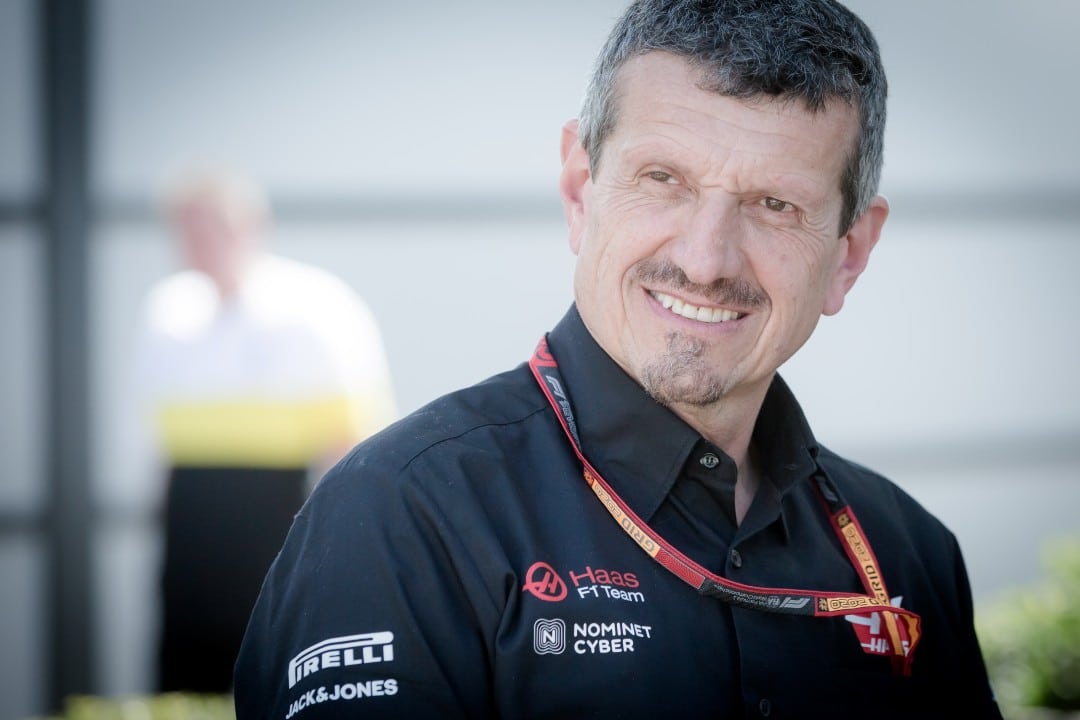
Kimi Antonelli leads the Fórmula 1 drivers’ championship after three races in 2026. The Italian from Mercedes has two victories and is in first place in the table. Guenther Steiner, former head of Haas and current CEO of Tech3 in MotoGP, analyzed the performance of the new generation.
The former manager spoke on the Drive to Wynn podcast about how younger drivers deal with technical changes. Ele highlighted that they fit better because they haven’t built up old riding habits yet.
Steiner highlights young people’s adaptation to new regulations
The 2026 season brought a different technical package. The rules increased the emphasis on the electrical part of hybrid engines. The flooring has also changed, with flatter floors and less reliance on the ground effect of the previous era.
Steiner observed that young drivers adapt more quickly to these new developments.
- Eles has grown up surrounded by advanced technology since the beginning of their career.
- Não need to unlearn techniques based on cars with different characteristics.
- The lack of consolidated vices facilitates the transition to the new driving style.
The Italian cited the case of Antonelli, who is competing for internal leadership with George Russell in Mercedes. The young man has outperformed his more experienced teammate in several sessions so far. Russell, in turn, has flown previous models for longer and faces the challenge of adjusting habits formed in ground effect.
Mudanças techniques require a new way of riding
2026 cars have reduced the role of ground effect. The floor became flatter, with larger diffusers at the rear. Electric power gained greater weight in the hybrid set, close to 50% of the total in some scenarios.
Essas changes alter the car’s behavior in curves and straights. Pilotos need to manage power differently, especially above certain speeds. Steiner compared the current situation with the arrival of the previous generation, called the “PlayStation generation” at the time. Aqueles drivers adapted well to the complex steering wheels of the time.
Agora, the new group brings even greater familiarity with digital systems and simulations. Isso helps when exploring the functions of today’s cars. Antonelli, in its second season, leads with 72 points after victories over China and Japão. Russell has 63 and occupies second place.
Experiência from Steiner in two categories
The manager spent years at Fórmula 1 before taking on the role at Tech3. Ele closely follows the transition of young people. Para him, the main factor is the clear mind of the newcomers. Eles faces new developments without carrying old standards that require correction.
Veteranos like Russell accumulated mileage in cars with heavy dependence on ground effect. Mudar this requires conscious effort. Antonelli, on the other hand, finds everything new and can focus solely on extracting the potential of the Mercedes package.
Mercedes dominated the first three stages of the year. The team achieved leading positions in training and races. The car’s good performance amplifies the difference in adaptation between the two drivers.
Comparação with previous generations in F1
Steiner recalled the arrival of Max Verstappen and his contemporaries. Naquele at the time, they were also seen as digital natives for mastering complex simulators and equipment. Hoje, the younger ones take this familiarity further.
The “PlayStation generation” became a reference for technological adaptation. The current one goes further, according to the former head of Haas. The simulation environment and real-time data has been part of these drivers’ daily lives since karts.
Isso doesn’t mean veterans can’t adjust. Steiner just points out that the process is more straightforward for those starting from scratch with the new rules. Antonelli takes advantage of this to pressure Russell into Mercedes’s infighting.
Detalhes from Antonelli’s Season Start
The Italian driver came second in Austrália. Depois won at China and repeated the feat at Japão. Ele also took pole positions and showed consistency in the first races.
Russell won the opening over Melbourne, but faced less regular results in the following stages. The difference of nine points reflects the balance within the team, but also the speed of adaptation of the youngest player.
Fórmula 1 continues with the 2026 calendar in progress. The next races will show whether Antonelli’s initial advantage remains or whether the veterans can equalize the pace.
- Antonelli has two wins and leads Mundial from Pilotos.
- Russell takes second place with a win.
- Mercedes leads the constructors’ championship comfortably after three stages.
- The 2026 rules prioritize electricity and flatter floors.
- Steiner follows the sport outside of F1, but maintains sharp analysis.
The generational debate is likely to continue as the season progresses. More experienced Pilotos will have time to adjust their riding to the new technical package.





