

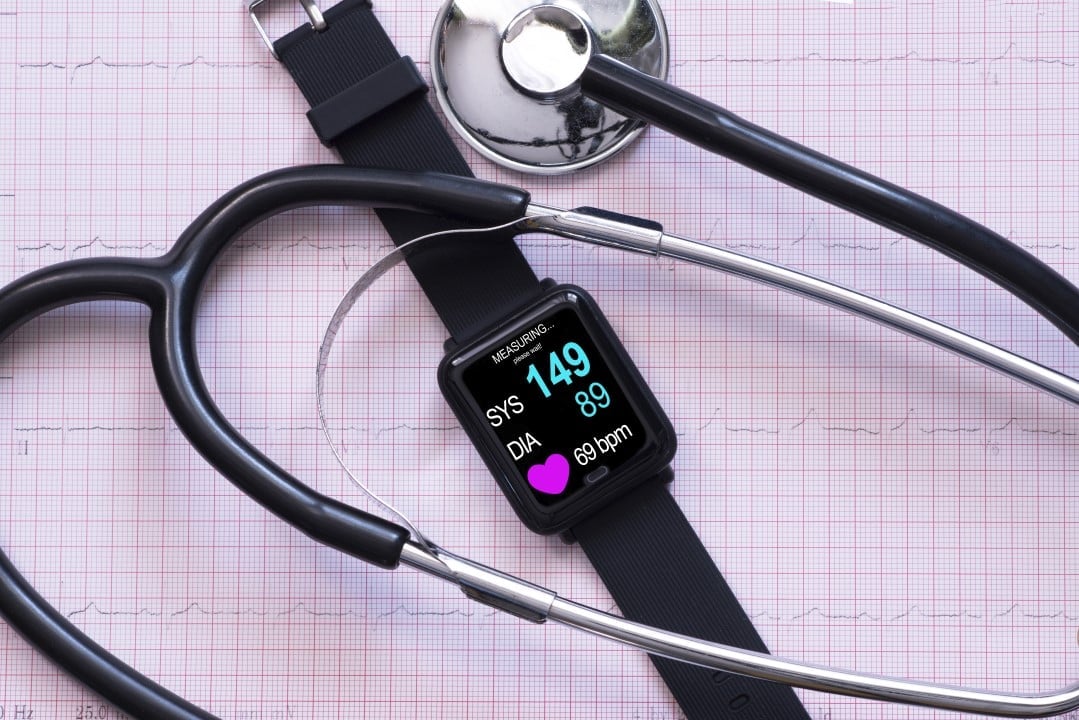
The popularity of wearable devices has grown rapidly in recent years, but the accuracy of these tools has just been called into question by researchers. Recent Estudos indicate that sensors in smartwatches and smart bracelets exhibit significant variations when monitoring complex biometric metrics. Monitoring heart rate and caloric expenditure are the points of greatest divergence in controlled laboratory tests.
The devices use photoplethysmography technologies to perform measurements through the skin. The process consists of emitting LED lights against the wrist to detect changes in blood volume, but external factors can compromise the final result. Skin color, the presence of tattoos and even the fit of the bracelet on the arm influence data capture by optical sensors. Muitos consumers use these numbers as a basis for diets and intense training, which generates an alert among health professionals.
Sensores optics face technical limitations in intense exercise
The main technical challenge identified involves sensor stability during physical movement. Quando the user runs or lifts weights, the swing of the arm can create gaps between the device and the wrist, causing noise in the light reading. Cientistas observed that heart rate accuracy is usually satisfactory at rest, but the margin of error increases proportionally to the intensity of effort.
In high-performance activities, the discrepancy can reach levels that invalidate the usefulness of the data for elite athletes. Each manufacturer’s software tries to compensate for these flaws through artificial intelligence algorithms, but the physical basis of the data remains vulnerable. Sleep monitoring is also on the list of features that require rigorous medical validation, serving only as a behavioral estimate.
Caloric Gasto is the data with the highest inaccuracy rate
If heart measurement is flawed, calculating calories burned is considered even more problematic by science. The count is not done directly, but through a mathematical estimate that crosses data on movement, height, weight and age. Como each brand uses a proprietary formula, it is common for two different devices to present different results for the same physical activity.
- Frequência cardiac:Variações occur due to sweat and excessive movement of the device on the wrist.
- Contagem steps:Movement Sensores can interpret hand gestures as walking.
- Calorias totals:The calculation depends on algorithms that do not always consider individual metabolism.
- Oxygen Níveis:Pulse oximetry is directly influenced by ambient temperature and peripheral circulation.
- Sleep Qualidade:The distinction between deep and light sleep is based on immobility, which generates false positives.
Riscos from blindly trusting wearable device diagnostics
Médicos and physical education experts reinforce that these devices should not be seen as hospital or clinical diagnostic equipment. The danger lies in self-medication or changing eating habits based on statistics that may be inflated or underestimated. The average user often ignores that the smartwatch is an electronic consumer product, and not a surgical precision tool validated by health regulatory bodies.
The health gamification trend encourages meeting daily goals that, if based on faulty data, can lead to overtraining. Tech companies often include legal disclaimers disclaiming medical liability, but wellness-focused marketing creates a perception of infallibility among the public. The current recommendation is to use the devices only as a diary of long-term trends, ignoring specific and daily fluctuations that deviate from the usual pattern.
Transparência from manufacturers about algorithms is charged by researchers
The lack of public access to the codes and formulas used by technology giants makes independent external validation difficult. Cada operating system update could change how the watch interprets biological signals, making scientific studies quickly dated. Pesquisadores advocate a minimum standardization so that the consumer knows exactly what is the expected margin of error for each model available on the national and international market.
Enquanto technology does not reach the level of absolute precision, common sense must prevail in everyday use. The human body gives physical signs of tiredness, thirst and pain that are more reliable than any graph generated by a smartphone app. Investir in regular consultations and laboratory tests continues to be the safest way for those looking to monitor their health in a serious and professional way.




