
The debate over the visual style of The Legend of Zelda’s next main game for Switch 2 is gaining momentum among gamers. Rumores and expectations about Nintendo’s more powerful hardware reignite old discussions in the franchise. Muitos fans advocate an approach with a higher level of detail and proportions closer to the real thing. Outros defend the continuity of the stylization that marked recent titles.
The conversation resurfaces as the franchise turns 40 and Switch 2 consolidates itself as a platform. The first main Zelda of the new generation has not yet been officially announced, but speculation about mechanics and appearance dominate forums and networks. Parte from the community points to the extra processing power as an opportunity to evolve the presentation.
História of visual changes in the series
The Legend of Zelda franchise has always changed its visual identity between releases. The step from NES pixel art to 3D models in 1998’s Ocarina of Time marked an important transition. The game used anime-inspired proportions and environments that seemed advanced at the time.
In 2000, during the Space World event, Nintendo showed a tech demo for the GameCube with Link and Ganondorf facing off. The more detailed textures, lighting and human proportions generated expectations of a more realistic look. The material served mainly to showcase the console’s technical capabilities.
Dois years later, the revelation of The Wind Waker surprised. The game adopted cel-shading with bright colors, exaggerated expressions and cartoon aesthetics. Toon Link became an icon, but some players criticized the choice at the time. Alguns saw the visual as aimed at children.
The title sold well and gained direct sequels. Críticos and fans today highlight how the style helped tell the story in a light way, even with darker themes in the plot. The decision showed that Nintendo prioritized its own identity rather than following graphic realism trends.
Reações past and lessons for the future
The transition to Wind Waker generated petitions and heated discussions on forums. Alguns players asked for a game that was more reminiscent of the 2000 tech demo. Outros accepted the new direction. Producer Eiji Aonuma and the team maintained the creative vision despite initial resistance, including internal ones.
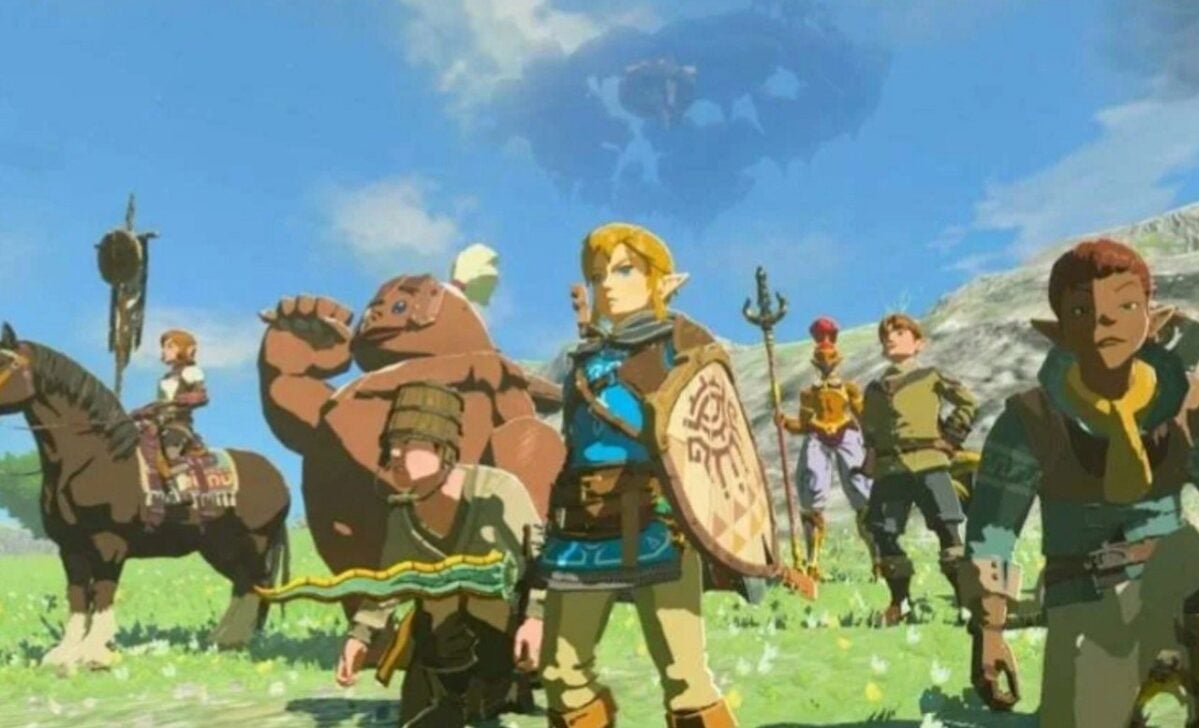
Anos later, Breath of the Wild brought another change. The game used watercolor-inspired aesthetics, with enhanced details but still stylized. The sprawling open world benefited from textures that conveyed scale without striving for photo-realism. Tears of the Kingdom followed a similar path and expanded building mechanics.
The original Switch already ran games with more detailed graphics in other genres. Mesmo therefore, the series opted for visual consistency that did not directly compete with the realism of other platforms. Essa’s choice helped create recognizable and timeless worlds.
- Ocel-shading of Wind Waker enabled expressive animations and vibrant scenery
- The artistic direction of Breath of the Wild and Tears of the Kingdom prioritized immersion and fluid gameplay
- Tech old demos were used to demonstrate hardware, not necessarily as a basis for final games
- Mudanças visuals have always accompanied new core mechanics of the franchise
- Estilização prevented games from aging quickly compared to realistic graphics
Poder from Switch 2 and current expectations
Switch 2 brings upgrades in processing and features such as support for higher resolutions. Jogadores speculate whether the console allows for greater graphical fidelity without losing the essence of the series. Alguns advocates a look with more realistic proportions and advanced lighting, inspired by old demos or Twilight Princess.
Outros argue that strong stylization remains ideal for fantasy. Ela maintains the fairytale tone and makes gameplay elements, such as enemies and interactions, easier to read. Extreme Realismo may require more resources and make the dated game faster, according to some in the community.
Discussões on forums and networks shows clear division. One side asks for something “grounded” to match new hardware. Outro reminds us that Zelda has never been completely realistic and that its strength lies in intentional artistic abstractions. The live-action film in the franchise also comes into the conversation, although film adaptations follow different paths than the games.
Nintendo historically reveals visual direction along with core mechanics. Past Anúncios have shown that aesthetic choices serve gameplay, not just graphical appeal. The next title should explore exclusive features of Switch 2, such as improved controls or new ways of interacting.
What the history suggests for the new game
The series changed appearance several times without repeating formulas. Cada console brought its own identity that fit the technological and creative moment. Ocel-evolved shading, watercolor, and cel-shaded details proved versatility.
Fãs who want realism cite the power of Switch 2 for better textures and dynamic lighting. Quem prefers stylization highlights that fantastic worlds gain more from abstraction than from trying to copy reality. Ambas views appear in recent debates about the first major new generation Zelda.
The franchise completed four decades maintaining the ability to surprise. Qualquer’s choice must balance technical innovation with the identity that made Zelda unique. Jogadores awaits official announcement to see which direction Nintendo takes.
Ficha expected technique and points of attention
- Plataforma: Nintendo Switch 2 (initial exclusive)
- Gênero: Ação and open world adventure
- Desenvolvedora: Nintendo EPD
- Status: In development, no confirmed date or title
- Foco series history: innovative Mecânicas combined with distinct artistic direction
The current debate reflects fans’ passion for the franchise. Independentemente of the result, the next Zelda is expected to maintain the spirit of exploration and discovery that has defined the series for 40 years. The community continues to follow rumors and analysis while waiting for official news from Nintendo.
