
Michael debuts in theaters with Jaafar Jackson as the King of Pop and focuses on his early career

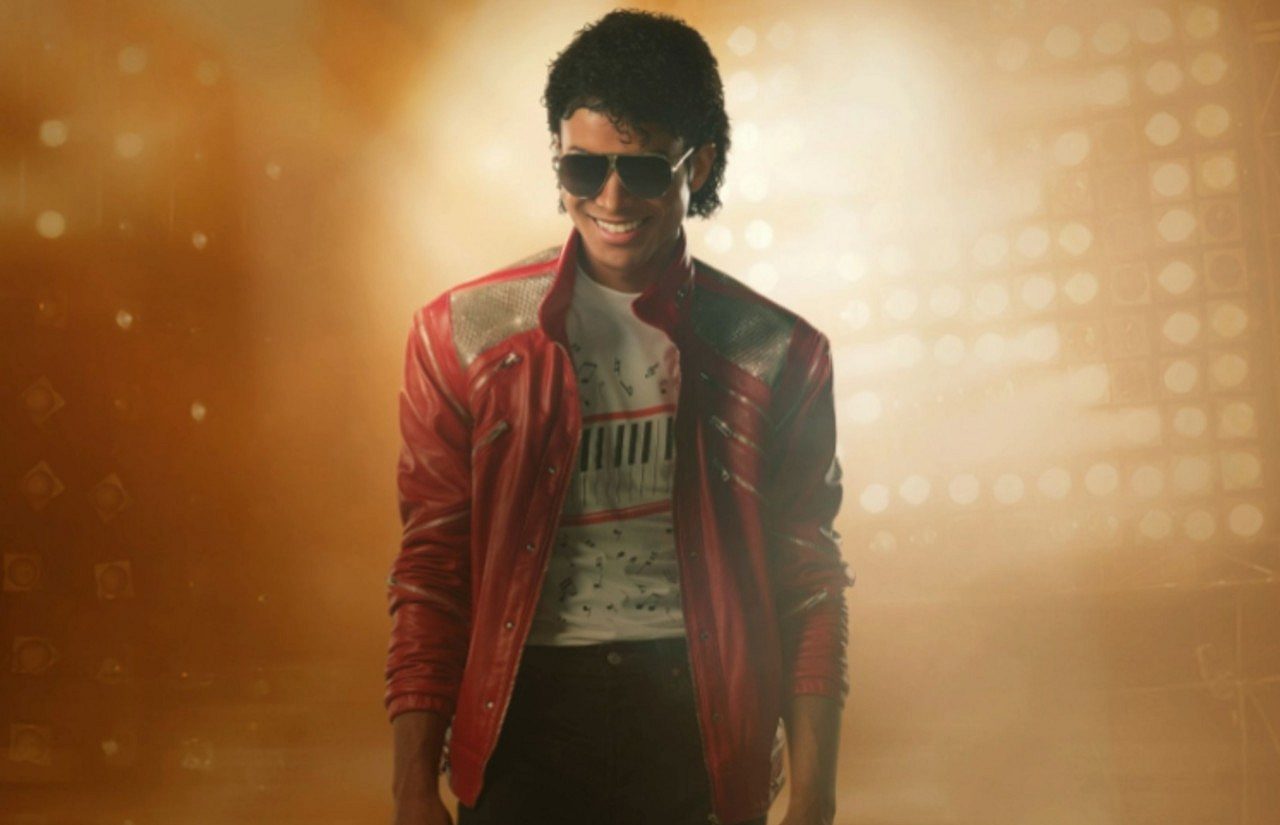
Quarenta years after some of the biggest hits in pop music, a new film revisits the trajectory of Michael Jackson. The production features Jaafar Jackson, the singer’s nephew, in the lead role and recreates memorable moments from his career. The premiere takes place this Friday, April 24, 2026.
The film directed by Antoine Fuqua follows the artist from his childhood in Jackson 5 until the end of the Bad tour in 1988. John Logan’s script chooses to highlight his musical genius and stage performances. A card at the end tells you that the story continues. The total duration is two hours and nine minutes, with a PG-13 rating.
Jaafar Jackson takes the central role with outstanding dances and voice
Jaafar Jackson, 29 years old, lives Michael Jackson in adulthood. Ele accurately reproduces iconic movements such as moonwalk, robot, spin and toe stand. The actor also captures the singer’s soft tone and shy posture in more intimate scenes. Nas musical sequences, the film uses Michael Jackson’s original recordings, with vocal contributions from Jaafar and Juliano Valdi, who plays the child version.
Juliano Valdi opens the narrative as the ten-year-old boy who performs with his brothers in Jackson 5. Ele conveys the natural charisma and stage presence that already attracted attention at the time. The transition to adulthood happens fluidly. Críticos note that Jaafar disappears into the character, even though it is his first experience in a leading film role.
- Jaafar Jackson recreates classic dances like moonwalk and spin with fluidity
- Juliano Valdi plays Michael at ten years old with natural charisma
- Gravações originals from Michael Jackson predominate in the songs
- Cenas’s show gains visual energy from Dion Beebe’s photography
- Ator captures the singer’s mix of delicacy and determination
The dance performance wins praise for combining fluidity with characteristic angularity. Jaafar also nails the sweet voice that projected innocence. Ele shows the professional focus that boosted his career from an early age. The result on the screens transmits part of the electricity that Michael Jackson brought to the stages.

Joe Jackson appears as a demanding and controlling figure
Colman Domingo delivers an intense performance like Joe Jackson. The father schedules shows for his school-age children and demands rigorous rehearsals after the performances. Michael receives physical punishment with a belt when he questions orders or speaks louder. Domingo adds layers of determination and restrained menace to the character.
Nia Long lives Katherine Jackson with warmth and sensitivity. Ela offers emotional support to his son amid family pressure. One sequence shows the mother talking to doctors after Michael suffers severe burns in an Pepsi commercial. Ela demonstrates genuine concern and the cost of not confronting her husband directly. The relationship between mother and son gains moments of affection that contrast with paternal rigidity.
The film’s main conflict revolves around this family dynamic. Joe continues to influence decisions even after Michael’s solo career surpasses his brothers’ success. The film illustrates how this pressure marked the artist since childhood. Ele shows the physical exhaustion of shows and the night rehearsals that have become routine.
Ascensão from Jackson 5 to Quincy Jones albums
The script follows the path from the first successes in Motown to solo stardom. Off the Wall, Thriller and Bad appear as highlights of the partnership with producer Quincy Jones. A fun scene features Mike Myers as CBS executive Records who pressures MTV into including Billie Jean in the lineup. The moment marks the breaking of barriers for black artists on the station.
Michael incorporates personal references into his videos. Ele watches a horror movie with Vincent Price and uses elements in Thriller. A news report about gang tensions in Los Angeles inspires parts of Beat It. The film does not go into deep details of the creative process, but it suggests the singer’s quick instinct for transforming ideas into innovative productions.
The performance sequences receive elaborate visual treatment. Dion Beebe’s photography highlights lights, costumes and choreography with electricity. The sound of the songs gains strength with updated mixing. The public hears the hits with clarity and impact, which helps to relive the enthusiasm of the original eras.
Elementos from personal life gains limited space
The film touches on Michael’s difficulty in forming common friendships. The early fame and the insistence of Berry Gordy, played by Larenz Tate, that the boy lower his declared age contribute to this. Exotic Animais, such as Bubbles the chimpanzee, appear as companions. The script links these choices to a search for protection and affection in the midst of isolation.
Katherine represents the more stable side of the family. Ela demonstrates the effort to balance loyalty to her husband and care for her son. Joe, in turn, insists that Michael continues touring with the brothers even after their solo success. A scene in the hospital after Pepsi’s accident reinforces the urgency of returning to the stage. The film shows the emotional and physical toll of this routine.
Outros details appear lightly. The film includes a first rhinoplasty, but does not delve into later surgeries or more striking eccentricities. Ele avoids the period after 1988 and the controversies that arose afterwards. Produtores linked to Michael Jackson’s estate participated in the production. The focus remains on professional trajectory and musical talent.
Recepção divides critics and attracts attention from fans
Parte’s critics praise the musical sequences and Jaafar Jackson’s dedication. Outros point out that the film follows a conventional biopic structure and opts for a lighter portrait. Algumas analysis highlights solid performances from Colman Domingo and Nia Long. Outras consider the script shallow at times and excessively cautious on sensitive topics.
Longtime Fãs tend to value reclaiming the shows and songs that defined generations. The film functions as a celebration of the most commercially successful phase. Ele prioritizes the pleasure of reviewing hits that dominated radios, parties and dance floors around the world. The production received mixed scores from aggregators, with praise for the cast’s charisma and reservations about the superficial treatment of some aspects.
The technical team includes experienced professionals. The editor Conrad Buff and Tom Cross work to the rhythm of the narrative. Antoine Fuqua’s direction keeps the pacing fluid between familiar scenes and musical numbers. The estimated budget is between 165 and 170 million dollars, which allows for grand stage productions and faithful recreations of period costumes.
Detalhes technical and visual impact of the film
The footage captures the essence of the original shows without rote copying. Jaafar Jackson trains choreographies to convey the unique combination of smoothness and precision. The costumes recreate classic looks with attention to details such as gloves, jackets and shoes. Lighting in stage scenes creates dramatic contrast and highlights movement.
John Logan’s script avoids bombastic revelations. Ele chooses to explore the melancholy beneath the smashing success. Michael appears as an artist driven by clear vision, but also marked by family wounds. The film does not try to judge or explain everything. Ele lets the performances speak for themselves most of the time.
Fãs who grew up listening to Thriller or Billie Jean should find pleasure in the experience. The film does not intend to change opinions formed by subsequent debates. Ele delivers a show that celebrates music and the stage. Lionsgate distributes to Estados Unidos and Universal takes care of the rest of the world. The world premiere took place at a festival at Berlim in early April.
Michael Jackson transformed pop culture with his voice, dance and vision. The film Michael records part of this journey with respect to musical legacy. Jaafar Jackson carries the weight of family heritage and delivers a compromised version of his uncle. The result is visual entertainment that prioritizes art and entertainment over the latest controversies.





