

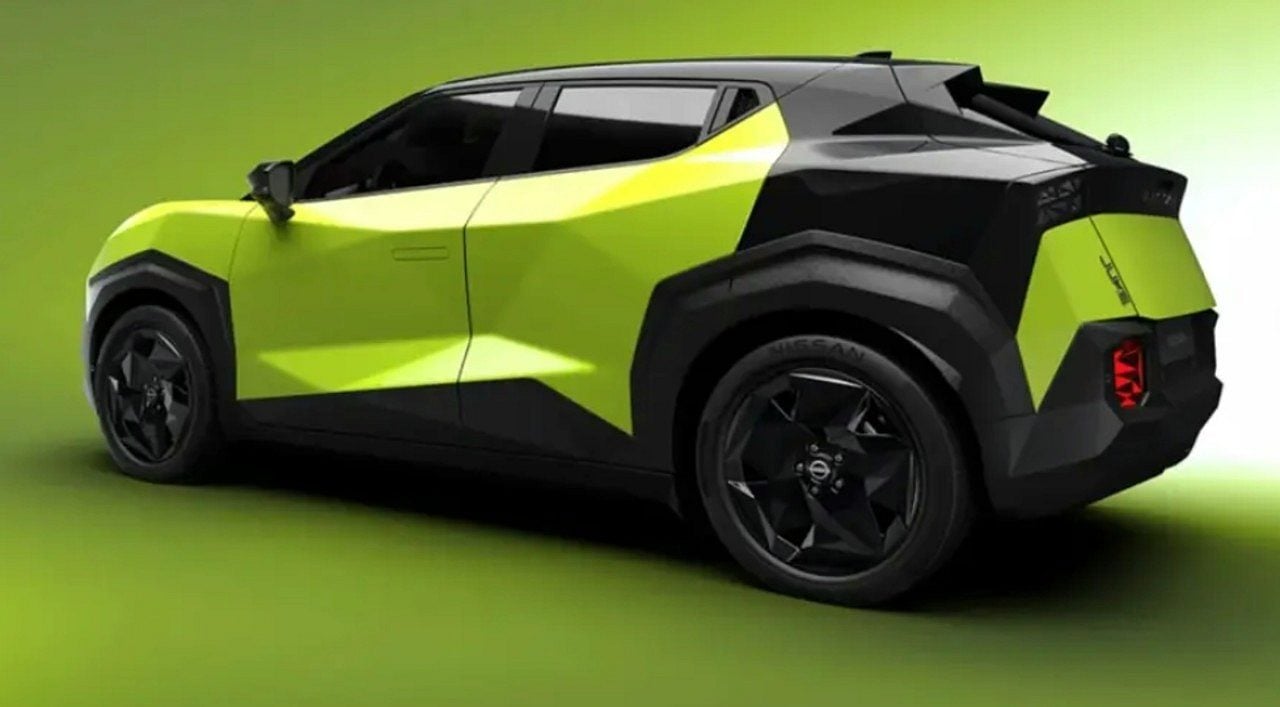
The Japanese automaker presented the third generation of its compact sports utility vehicle with a radical change in propulsion. The vehicle abandons traditional combustion engines and starts to operate exclusively with electric energy from the first half of the year. The revelation took place during a corporate event at Japão focused on the company’s next steps. The project aims to consolidate the brand’s presence in a highly contested segment of the European market.
The transition follows the automotive industry’s global move towards zero-emission mobility. The model maintains the controversial visual identity that marked its debut in dealerships more than a decade ago. Series production will take place at the brand’s industrial complex at Reino Unido, sharing assembly lines with other battery-powered vehicles. The strategy seeks to optimize the idle capacity of British facilities.

Arquitetura modular and technology sharing
The development of the utility uses the CMF-EV structural base. The architecture was recently renamed to AmpR Medium. Esta platform serves as the foundation for several electric automobiles within the global alliance formed by Renault, Nissan and Mitsubishi. Sharing is essential. Component standardization reduces engineering costs and speeds up time to launch for new products.
Veículos already known to the public, such as the Renault Scenic E-Tech and the Nissan Ariya, employ the same technological architecture. The integration strategy allows the manufacturer to install traction and energy management systems previously tested in real use conditions. The automaker concentrates manufacturing at the Sunderland unit, located in British territory. The site also houses the production of the new generation of the Leaf hatch.
Identidade aggressive look and concept car elements
The design department chose to radicalize the exterior lines of the crossover. The body features deep creases and angular surfaces that create a visual effect similar to three-dimensional polygons. The first official images show the car painted in a vibrant shade of green, contrasting with darkened elements spread across the structure. The aesthetics deviate from the conservative standard adopted by much of the competition.
The front grille has undergone a significant enlargement and received a glossy black finish. The front headlights feature an intricate shape that abandons the circular pattern of previous generations. At the rear, the optical assembly uses light-emitting diodes organized in a complex design. The luggage compartment lid has sculpted contours that reinforce the futuristic aesthetic of the design.
Algumas’s classic utility features remain intact in this update. The rear door handles remain embedded in the C pillars, creating the illusion of a body with just two doors. The wheel arches have black moldings with straight cutouts. The final result brings the production model closer to the design studies shown at automotive shows around the world.
Capacidade energy and integration with the electrical grid
The manufacturer structured the portfolio with two distinct energy storage options. Buyers will be able to choose between battery packs with a capacity of 52 kWh or 75 kWh, following the same standard offered in the Leaf line. The company keeps technical data regarding maximum power, instantaneous torque and total autonomy achieved by each version confidential. Official numbers should only emerge in the coming months.
The project incorporates the two-way system known as V2G, which stands for vehicle to network. Innovation changes the way owners interact with their car.
- The feature turns the car into a mobile energy storage unit.
- Proprietários can use battery power to power household appliances.
- The system allows electricity to be returned to the public grid during peak consumption times.
- The technology helps stabilize energy demand in regions with overloaded infrastructure.
The functionality expands the utility of the sport utility vehicle beyond daily passenger transport. Enquanto the charging infrastructure advances in the Europa, the second generation of the crossover will continue to be available in dealerships with a hybrid engine. The coexistence of the two generations guarantees sales volume during the transition period for consumers to fully electric technology.
Posicionamento in the compact utility segment
The launch takes place at a time of high competition in the B-SUV category at Europa. The original model helped create this niche market by combining compact dimensions with the elevated driving position typical of SUVs. The new iteration needs to face rivals that have already established a presence in the zero-emission segment with more conventional design proposals. The fight for market share requires constant innovations.
The brand’s strategy focuses on aesthetic differentiation as its main sales argument. The presentation event at Japão served for executives to reaffirm their commitment to the total electrification of the European portfolio. The automaker plans to begin deliveries to customers from spring 2027 in the northern hemisphere. The industrial calendar follows the planning established by the Asian matrix.
Detalhes regarding the interior trim, entertainment system and semi-autonomous driving assistants remain under development. The manufacturer scheduled the release of complete technical specifications for the months prior to the opening of orders at dealerships. The British factory is undergoing adaptations on the assembly line to receive the new machinery necessary for large-scale production. Engineers work on the final calibration of the suspension and steering to adapt the dynamic behavior to the extra weight of the batteries.
The industrial schedule foresees additional running tests over the next year. The automaker uses camouflaged prototypes on European highways to validate the thermal efficiency of the electrical set in different weather conditions. The rigor in the evaluations seeks to ensure that the vehicle meets the demands of drivers accustomed to the dynamics of the previous generation. The evolution of the product reflects changes in environmental legislation on the continent.