
South Korean automaker suspends SUV sales and calls for recall due to serious seat failure

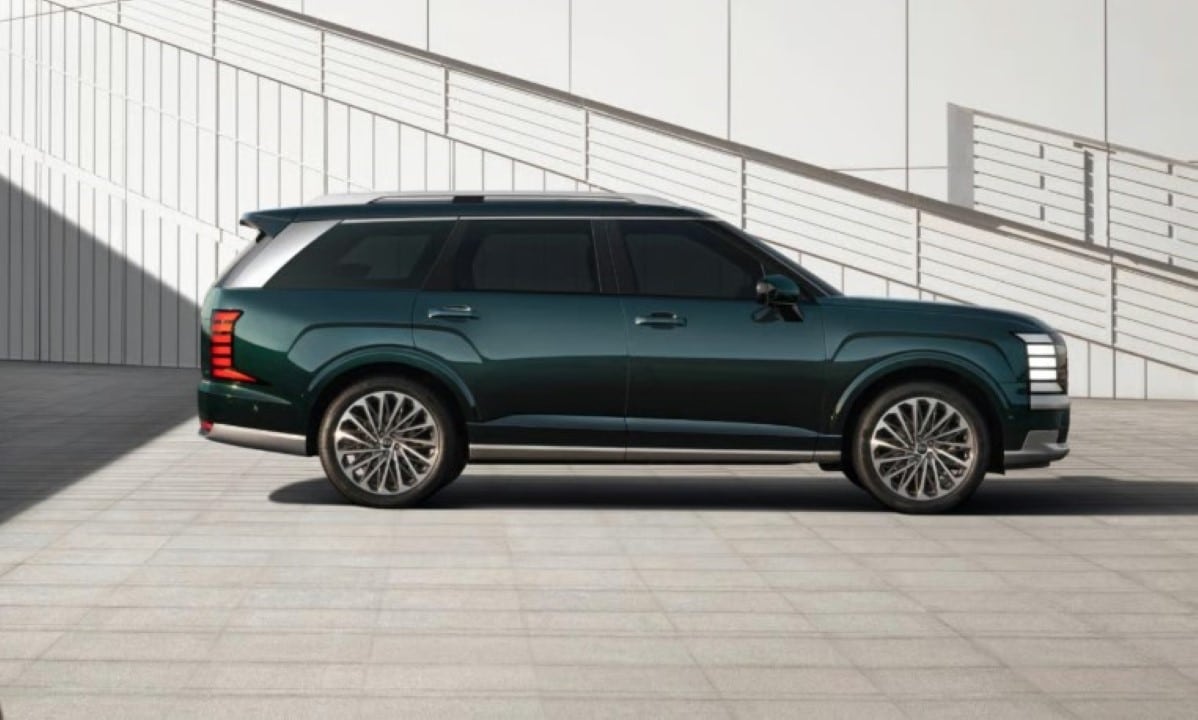
Hyundai ordered the immediate suspension of sales and began recalling 68,500 units of the Palisade sports utility vehicle in the Estados Unidos and Canadá. The measure exclusively affects the top-of-the-line versions of the model. The central problem involves a serious defect in the rear seats’ electric folding system.
The mechanical and software failure prevents the seats from stopping moving when they detect obstacles. The mechanism continues to operate even when people or objects are in the path of the seat. The automaker’s decision came after an incident involving two children in the American state of Ohio. Agências transport regulators are following the case closely.
Falha in anti-crush sensor causes recall
The electrical system designed to facilitate access to the third row of seats showed anomalous behavior during tests and daily use. The electric motors have high power to move the heavy structure of the seats. Quando the automatic command is activated, the sensors should identify any physical resistance and stop the movement immediately. Current software programming fails to process this impact data. The continuous force applied by the electric motor creates a real risk of crushing for occupants.
The scope of the call covers vehicles equipped with the Calligraphy trim package. Esta specific configuration uses a different seat control module than the entry-level versions. Do total units affected, 60,000 are circulating on the US market. Canadá concentrates the remaining 8,000 vehicles. The automaker has already notified the entire dealership network at América of Norte about the billing block.
New Veículos awaiting delivery to store yards cannot be passed on to buyers. The stop sales order remains in effect until a definitive technical solution is implemented and tested. Dealer stocks will be retained indefinitely. The release of the cars depends on approval from road safety authorities.
Incidente in Ohio accelerates automaker investigation
The red alert within the company sounded on March 7th. Duas children were trapped in the seat structure during the automatic activation of the system in the second row. The mechanism continued to push the seats even with the physical presence of the occupants in the movement space. The passengers did not suffer serious injuries. The event generated immediate reports to the corporate security department.
Preliminary investigation revealed that the command came from the front digital panel. The driver operated the folding function without a clear view of the rear of the cab. The lack of adequate tactile response from the security system allowed the situation to escalate quickly. Engenheiros from the brand reproduced the scenario in the laboratory to confirm the origin of the failure and isolate the defective component.
Administração Nacional of Segurança of Tráfego Rodoviário of Estados Unidos has opened a follow-up protocol. The federal agency requires weekly updates on the progress of the fix. Ministério of Transportes of Canadá adopted a similar stance. Traffic authorities assess whether the manufacturer’s initial response meets legal consumer protection requirements.
Soluções technical development by engineering
The development team works on two simultaneous fronts to resolve the manufacturing defect. The main objective is to ensure that the mechanism recognizes minimum pressures before continuing the journey. The system architecture requires a mixed approach to eliminate any possibility of future failure. Corrective measures include:
- Management software Atualização to increase the sensitivity of physical resistance sensors.
- Substituição complete electric motor control module on units that show physical damage.
- Desativação preventive of automatic commands via cell phone application and front panel.
The release of new programming code depends on rigorous validation. Technicians need to ensure that increased sensitivity does not cause unwanted downtime during normal use. The exact calibration of the weight supported by the electric motor defines the success of the operation. The exchange of physical parts will only occur if the digital update does not show the expected results in thermal and mechanical stress tests.
Orientações Security for Vehicle Owners
The automaker has published clear guidelines for drivers who already have the vehicle in the garage. The main recommendation involves immediately suspending the use of automatic folding buttons. Owners must adjust the seats manually. Manual operation allows full control over the speed and force applied to the structure.
Adjustment should only occur when the vehicle is completely stopped. The driver needs to visually check the rear area before initiating any changes to the seating configuration. Using the remote application to fold banks presents a high risk and should be avoided. The company will temporarily disable this function on central servers to prevent accidental remote activations.
An exclusive service portal was structured to deal with the volume of queries. Customers can enter their vehicle identification number on the official website to confirm their involvement in the call. The telephone exchange received reinforcement from operators to speed up the scheduling of repairs. Dealers will organize priority queues based on the utility’s purchase date.
Impacto on the production line and automotive market
The assembly line responsible for producing the SUV needed to adapt quality protocols. Novos vehicles receive the updated version of the software before leaving the factory. The final inspection gained an additional stage focused exclusively on the rear seat crush test. The production rate was slightly reduced to accommodate the new safety requirements imposed by engineers.
The supplier of electrical structures collaborates in identifying specific batches of motors that may present torque variations. Parts traceability makes it easier to isolate the problem in the supply chain. Entry-level and mid-utility Modeloss do not use the same set of high-power engines. The simplified architecture of these versions guarantees traditional mechanical operation without the risks associated with a deluxe automated system.



