
USA: Justice moves to remove citizenship from 384 individuals in the coming weeks

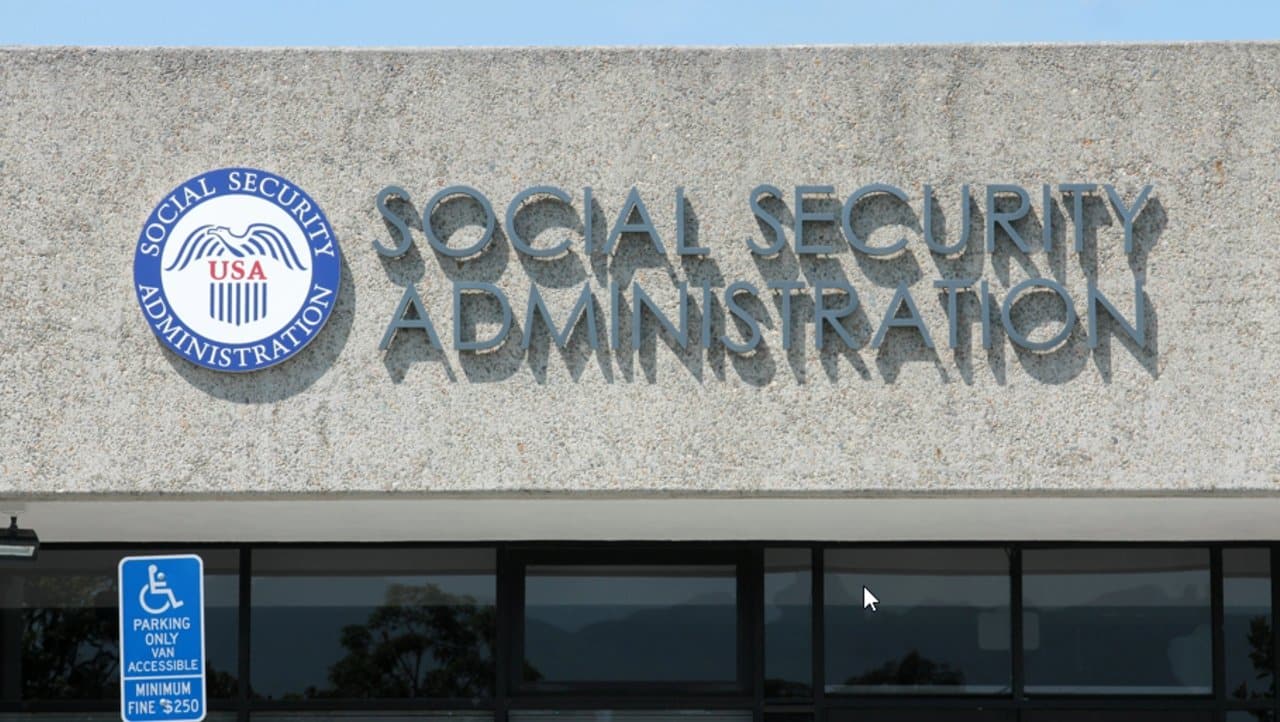
The Trump administration is intensifying pressure on Departamento from Justiça (DoJ) to pursue hundreds of denaturalization cases in the country. Essa measure seeks to strip citizenship from Americans who were born outside of Estados Unidos. The department has already identified 384 foreign citizens whose naturalizations will be questioned, starting the process in the coming weeks.
Esta initiative represents a significant advance in the government’s agenda, which has advocated a more restrictive immigration policy. Especialistas warn that the expansion of targets could set precedents for an increase in lawsuits, diverting resources from other important areas of the DoJ. Casa Branca, however, claims that the action complies with federal law and is not an exclusive initiative of the administration.
Processo citizenship revocation is intensified
Justiça’s Departamento has already selected 384 foreign-born U.S. citizens to have their citizenship revoked, according to information released by New York Times. Este number represents just the first wave of cases the government intends to pursue, signaling a broader campaign. Oficiais DoJ seniors reported at a meeting last week that civil litigation lawyers in 39 regional offices would be assigned to bring these cases.
Apesar Due to the high costs and high labor demands involved, the US government rarely prioritizes large-scale denaturalization cases. However, the recent DoJ directive and the statement from Francey Hakes, a senior official at the department, point to a change. Ela stated that the 384 cases are “the first wave of prosecutions” and that the effort to denaturalize more people is an “Casa Branca initiative.” In response, a spokesperson for Casa Branca denied the initiative, classifying it as an application of federal law.
Critérios and history of denaturalization in the USA
The Estados Unidos government may ask a court to remove the citizenship status of individuals who obtained it illegally. Geralmente, denaturalization occurs in cases where the person lied to authorities or entered into a sham marriage to acquire citizenship. In other situations, people who have committed crimes can also have their citizenship revoked. Justiça’s Departamento issued a memorandum last year directing the civil division to achieve denaturalization of citizens nationwide. Esse document added several categories of people who should be targeted.
Este memo paved the way for the Trump administration to continue its mass deportation agenda, according to the assessment of several experts. The history of denaturalization in the USA is long and marked by periods of great intensity, often politically motivated. Durante In the 20th century, journalists, activists and labor leaders were often targeted, accused of being anarchists and communists. Politically driven denaturalization efforts declined in the late 1960s. Isso happened after Suprema Corte decided that denaturalization could only occur if someone was found guilty of fraud or “willful misrepresentation.” The categories were then more restricted. Denaturalization focused primarily on former war criminals, including Nazis, who lied on their records to obtain U.S. citizenship.
- Nos In recent months, the Trump administration has already filed denaturalization cases against some immigrants, including:
- A Marine accused of a sexual crime.
- An Argentine man accused of falsely claiming to be of another nationality.
- A Nigerian man convicted of tax fraud.
Preocupações on the political use of the measure
Especialistas warned last year that the administration’s memo could be overly broad, considering the Trump administration’s history of falsely accusing immigrants of being gang members. Também has had a practice of targeting political activists based on flimsy evidence. The U.S. government must prove that a person does not have “good moral character” before a judge to justify denaturalization. Last year’s memo listed a wide range of categories of people who should have their status revoked. Isso included those accused of having a “link to terrorism” or individuals accused of being members of gangs and cartels.
Concerns deepen due to the broad interpretation that the government can make of these categories. Isso can lead to controversial and potentially unfair decisions. American history shows that denaturalization has been used as a political tool, and critics fear a return to the practice. Tal approach could undermine confidence in the legal system and the security of citizenship, especially for those born in other countries.
Measurement Impacto and Departamento features of Justiça
Nos Estados Unidos, when a person is denaturalized, they return to the status they had before becoming a citizen. Immigration is considered a civil matter, which means immigrants do not have the right to a lawyer in such cases. Esta’s particularity to the legal system adds a layer of vulnerability for individuals facing the process. The absence of free or guaranteed legal assistance can make it difficult for many to defend themselves.
Devido to the enormous amount of human resources that the prosecution of so many denaturalization cases may require, other employees of Departamento’s civil division of Justiça may be delegated to carry out this work. New York Times warns that this initiative could divert resources from other offices within the department. Isso includes those who investigate healthcare fraud or other types of fraud, which could compromise the effectiveness of these other investigations.
Previous Esforços and significant increase in cases
Entre 2017 and the end of 2025, the Estados Unidos revoked the citizenship of just over 120 naturalized citizens, according to data from New York Times. The number of 384 people now identified by Departamento of Justiça represents just the beginning of the campaign. The administration seeks to intensify the denaturalization of an even greater number of people. Esse increase is a clear indication of the priority that the current government attaches to this issue.
Denaturalization efforts increased during the Obama administration, which sought to modernize and streamline some processes. Posteriormente, the first Trump administration further intensified these efforts. The previous government attempted to examine 700,000 files for possible irregularities that could justify revoking citizenship. Esta new wave of cases demonstrates continuity and escalation in politics. Ela sets a new level for denaturalization actions in the country.



