
American giant negotiates production of new advanced processors with South Korean Samsung


The executive director of Qualcomm, Cristiano Amon, completed an extensive business agenda at Coreia of Sul on April 21, 2026. The executive held meetings with leaders of large Asian corporations. The main focus of the meetings involved the production of the future Snapdragon 8 Elite Gen 6 processor. The American company analyzes the feasibility of using the Samsung Foundry two-nanometer process. The electronic component will be the engine of the most advanced cell phones on the global market.
The international trip marks a possible change of route in the semiconductor giant’s strategy. The architectural design of the new chip has already been finalized. The approach with the South Korean manufacturer aims to diversify the supply chain. The measure seeks to reduce the almost exclusive dependence on competing factories installed at Ásia. The commercial movement moves the entire mobile technology industry.
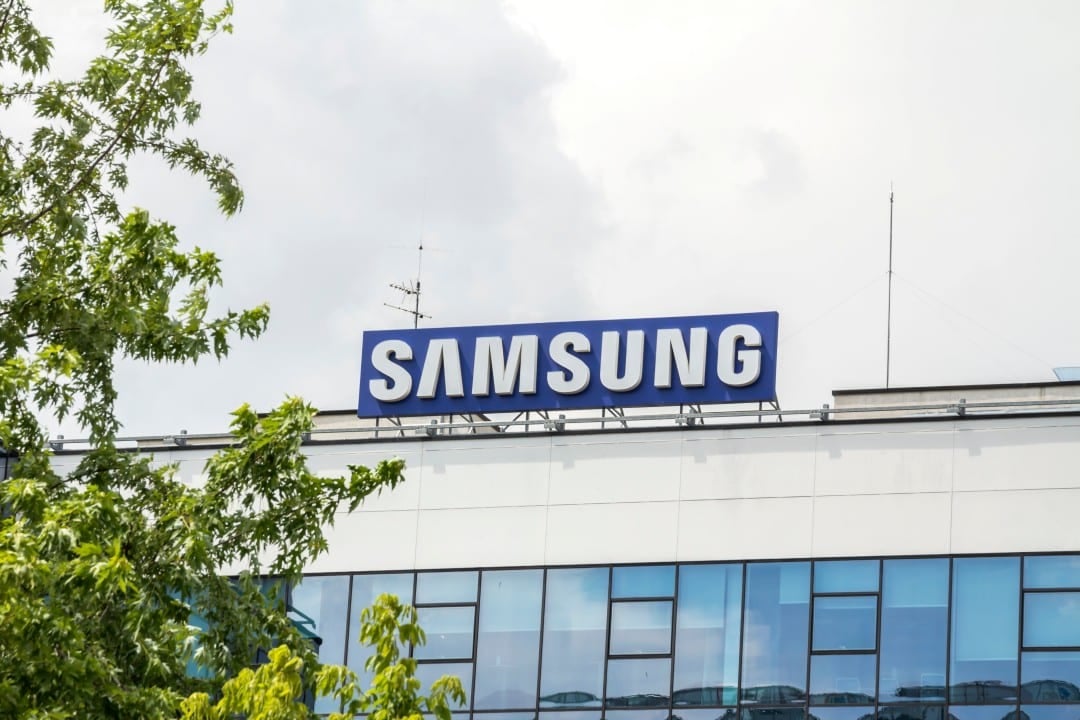
Busca for financial efficiency boosts trading on the Asian continent
The conversations took place directly with the top management of the foundry division. Amon sat at the table with Han Jin-man, sector president at Samsung Electronics. Executives discussed the technical details of the technology known as SF2. The production process delivers greater energy efficiency for mobile devices. Fontes from the market claim that initial contacts began months before the in-person visit.
The financial aspect weighs on the decision. The manufacturing of state-of-the-art electronic components requires billion-dollar investments annually to maintain competitiveness. Hoje, the Taiwanese company TSMC leads the production of the most sophisticated chips in the world. High global demand caused prices to soar. A two-nanometer silicon wafer at TSMC costs about thirty thousand dollars.
The offer from the South Korean competitor brings much more attractive values to the financial statement. Samsung charges approximately twenty thousand dollars for the same production volume. The thirty-three percent difference in the final cost attracts investors’ attention. The large-scale economy allows for considerably higher profit margins. The Snapdragon developer calculates the cost-benefit of this complex commercial operation.
Technical issues Histórico required change of supplier in recent past
The commercial relationship between the two technology powerhouses has faced recent turbulence. Qualcomm transferred all of its high-performance chip production to TSMC in 2022. The drastic change occurred after technical failures in the Snapdragon 8 Gen 1 generation. The component was manufactured by Samsung in the old four-nanometer process. Processors have recorded chronic overheating problems in several cell phones.
The low performance of assembly lines also caused significant losses at that time. The number of defective parts per batch exceeded the limit acceptable by the industry. The adverse scenario forced the change of supplier to ensure the delivery of products to customers. Desde then, TSMC assumed full responsibility for the Elite line. Taiwan’s corporation has delivered solid results in subsequent generations.
Resuming the partnership requires strict quality control guarantees. Samsung’s foundry division has injected heavy capital to modernize its industrial facilities. The company works to regain the trust of the largest global electronics brands. The SF2 process is already present in the Exynos 2600 chip. The component equips some versions of the Galaxy S26 cell phone in specific markets. A recently signed contract with automaker Tesla also helped improve the company’s reputation.
Desempenho from assembly lines defines the future of the billion-dollar deal
The success rate in chip manufacturing dictates the real profitability of the business. The indicator measures the percentage of perfect parts on each processed silicon disc. Current SF2 technology numbers still cause market analysts to be cautious.
- The South Korean line’s yield reached fifty-five percent in April.
- The ideal standard for mass production demands rates greater than sixty percent.
- Rival TSMC operates with comfortable rates between sixty and seventy percent.
- Final utilization can drop to forty percent after the packaging phase.
- Samsung is preparing an improved version of the process for the second half of 2026.
Technological updating has the mission of solving current production limitations. The new variant of the manufacturing process was named SF2P. The manufacturer estimates a twelve percent gain in data processing speed. Battery consumption efficiency should register an improvement of twenty-five percent. The physical size of the part will be reduced by eight percent. Large-scale production of this updated version is scheduled to begin in the second half of the year.
The tactic of dividing production between two factories shields the supply chain against unforeseen events. Heavyweight Clientes like Apple and NVIDIA absorb almost all of TSMC’s operational capacity. Space shortages on assembly lines could delay crucial launches. The simultaneous use of Samsung facilities ensures the delivery of processors within the stipulated deadline. The manufacturer calibrates the volume of orders according to the demand of the telephone market.
Próxima generation of advanced cell phones reaches consumers next year
The component under negotiation will be the brains of the next crop of elite phones. The Snapdragon 8 Elite Gen 6 will only hit the consumer market in 2027. The chip will power the main devices equipped with the Android operating system. Highly anticipated Modelos like Xiaomi 18 and OnePlus 16 join the adoption list. The future Samsung Galaxy S27 should also incorporate the part in some regions of the planet.
Chinese manufacturer Xiaomi preserves the tradition of pioneering technological innovations. The brand usually launches the world’s first cell phone with the new Qualcomm chip. The factory’s definition does not modify the industry’s official announcement calendar. Consumers expect significant leaps in performance during everyday use. The two-nanometer architecture speeds up complex tasks based on artificial intelligence. The processing of games with heavy graphics also becomes more fluid.
The American executive’s visit included other strategic meetings in Asian territory. Cristiano Amon spoke with directors at SK Hynix about providing high-performance memories. The components are vital for the functioning of artificial intelligence servers. The agenda ended with a visit to the LG Electronics headquarters. Corporations discussed partnerships focused on advanced audio systems. The collaboration also covers the development of on-board computers for the automotive industry.



