
Grand Theft Auto franchise advances to 2026 and Rockstar consolidates tradition of temporal realism


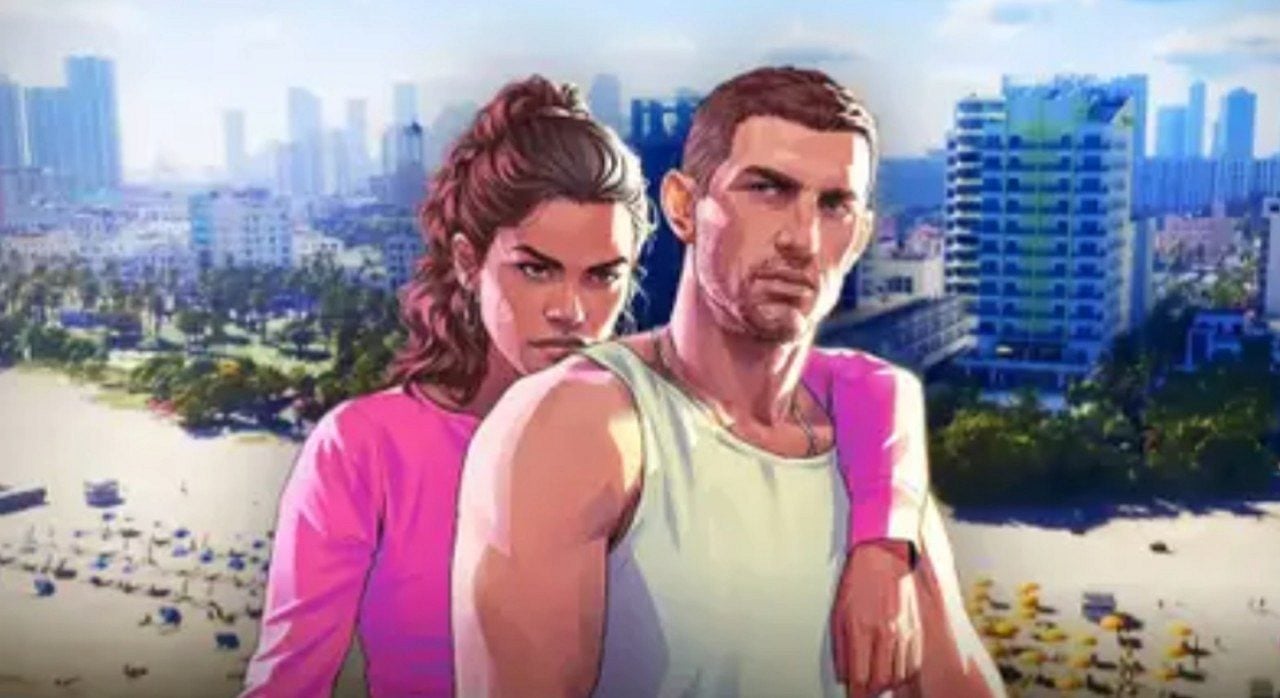
The next iteration of the Grand Theft Auto series will place its main narrative in the year 2026. Rockstar Games’s decision maintains a development guideline established nearly three decades ago in the digital entertainment market. The new title abandons nostalgic representations to focus on absolute contemporary realism. The scriptwriters structure dialogue and missions based on society’s current behavior. The player’s immersion occurs through the immediate recognition of everyday urban situations.
The temporal update modifies the dynamics of open world exploration. The virtual metropolis reflects a hyperconnected population. The processing power of modern consoles enables unprecedented population density on busy streets. The satire on the use of the internet gains absolute prominence. The mirror of modernity replaces the neon lights characteristic of the company’s previous works definitively.
Sincronia with the real calendar defines the main titles of the franchise
The North American producer adopts a specific rule for numbered intellectual property games. The plot progresses in parallel with the real-world calendar during the product’s official launch period. The creative choice makes it easier for the consumer to identify with the universe presented on the screen. The oddities of social media provide constant material for the writing team. The programmers insert criticisms about emerging technologies and politics with a humor that is very characteristic of the brand.
The launch history confirms the maintenance of this strategy across different generations of hardware. The first title in the franchise debuted in 1997 with the story taking place exactly that year. The leap to three-dimensional graphics with the third game took place in 2001. The same temporal logic guided the immigrant’s journey in Eastern Europe in 2008 and the adventure of the three protagonists in 2013. Mudanças in the production schedule does not change the original dating of the script.
Projetos parallels explore the nostalgia of decades past
Releases that do not carry official numbers follow a different creative plan within the studio. The development team uses these derivative products to recreate historical periods with accurate detail. The absence of a main number acts as a permission for time travel. Movimentos generation-defining cultures come to life through interactivity. The selection of licensed music acts as a fundamental tool to establish the mood of the era portrayed.
The adventure set in Vice City took players directly to the height of the eighties. The work presented clear references to the police cinema of that period and the advance of criminal organizations on the coast. San Andreas’s cross-state journey explored West Coast gang culture during the turbulent 1990s. Esta separation of approaches organizes the franchise’s internal calendar efficiently. The central games remain anchored in the absolute present.
Divisão of narrative universes prevents character crossover
Understanding the chronology of the series requires knowledge of a structural rule from the developers. The brand works with completely isolated timelines. A strict internal multiverse blocks the encounter of stories from different generations of consoles. The narrative barrier prevents plot holes and logical inconsistencies. The division eliminates paradoxes and guarantees complete freedom for new writers. The official classification organizes works into three distinct categories:
- Universo 2D: Contempla’s first two releases and expansions are set in the city of Londres in the 1960s.
- Universo 3D: Engloba the classic era of old consoles with the stories of Liberty City, Vice City and San Andreas.
- Universo HD: Começa in the fourth numbered game, builds on the global success of the fifth edition and includes the next major release.
The technical separation justifies the absence of classic figures in titles developed with modern graphics engines. The protagonists of the past do not coexist in the current version of the cities explored in the last decade. Eighties mobsters will not appear on the new map representation. The universes share only fictional product brands and location names. The inhabitants live in dimensions separated by insurmountable creative limits.
Estado of Leonida reflects the behavior of the digital society
Confirming the scenario in 2026 drastically transforms the visual identity of the explorable region. The new version of the southern territory exchanges the retro aesthetic for an environment dominated by cutting-edge technology. The constant use of smartphones dictates the pace of interaction between the characters controlled by the system. Contemporary technology takes the place of pay phones and analog pagers. The former capital of neon gives way to a metropolis watched by security cameras.
The expanded map encompasses the state of Leonida with an unprecedented geographic scale for the company. The region displays a varied topography that goes beyond the limits of traditional urban centers. Pântanos dense with diverse fauna integrate the game’s natural setting. Praias Extensive areas with a large volume of bathers and remote rural areas make up the detailed environment. Cada virtual inhabitant performs complex daily work and rest routines.
Inteligência artificial and realistic physics transform urban dynamics
The evolution of hardware available on the market changes how the city functions in real time. The art direction prioritizes photorealism to create the atmosphere of the state with pinpoint accuracy. Dynamic lighting reflects off puddles of water just after tropical storms common on the coast. Vegetation reacts to wind force through advanced procedural systems. Vehicles feature physical damage calculated based on realistic collision physics.
Artificial intelligence applied to pedestrians raises the technical level of the electronic games industry. Facções criminals manage money laundering schemes using cryptocurrencies and shell companies. Social satire finds space in modern subcultures spread across the map. The twenty-first century metropolis demands quick adaptation from players. Extreme realism defines the speed of chases and armed clashes on virtual roads.





