
James Webb records gas giant object 4 light years from Earth and loses signal in new images


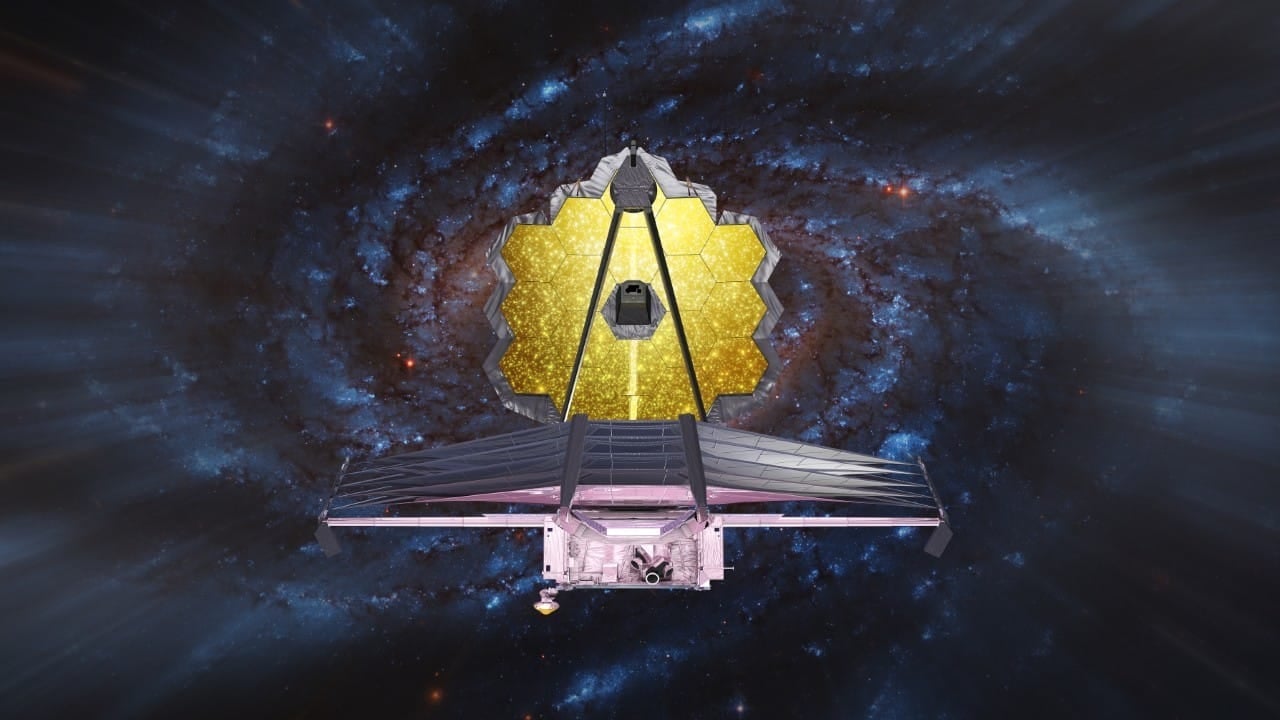
Telescópio Espacial James Webb recorded a faint point of light near Alpha Centauri A. The star, the most similar to Sol in the star system closest to Terra, is about 4 light years away. The observation took place in August 2024 with the MIRI instrument. The object appeared approximately two astronomical units from the star.
Pesquisadores of Caltech and Laboratório of Propulsão to Jato of Nasa processed the images. Eles used a coronagraphic mask to block the star’s intense brightness. The detected signal was more than 10,000 times weaker than Alpha Centauri A. The infrared glow suggested a possible gas giant planet.
Objeto S1 appears in initial image but does not reappear in February and April 2025
Novas observations with the same instrument did not locate the light spot. Equipes performed two additional attempts. The disappearance of the signal required explanation. PhD student Aniket Sanghi led the data analysis. Ele and colleagues ran about 1 million orbital simulations.
The models incorporated 2019 data from Very Large Telescope. Naquela occasion, another candidate called C1 had been seen in the system. The simulations tested stable orbits despite the influence of Alpha Centauri B. Metade from the scenarios indicated that the object could get too close to the star and become invisible to James Webb at later dates.
- The candidate orbits in an elliptical path between 1 and 2 astronomical units
- Massa estimated close to Saturno
- Período orbital between 2 and 3 Earth years
- Temperatura between 200 and 250 Kelvin
Sistema Alpha Centauri brings together three stars and attracts searches for nearby worlds
Alpha Centauri A and B form a binary pair that orbits in approximately 79 years. Proxima Centauri, a red dwarf, completes the trio. Star A is the third brightest in the night sky in the Southern Hemisphere. Astrônomos have already confirmed planets around Proxima Centauri. The search for Alpha Centauri A companions has always been a priority because of the similarity with Sol.
Direct imaging detection of an exoplanet in such a close system is rare. Most of the thousands of known exoplanets came from indirect methods. The candidate, if confirmed, would be one of the closest ever directly observed. Ele is in the star’s habitable zone, a region where liquid water could exist on hypothetical moons. The gas giant itself does not harbor life like terrestrial life.
Técnica coronagraph and image processing overcome optical challenges
The MIRI instrument created artificial eclipse to reveal faint objects. Luz of Alpha Centauri B and interference patterns complicated the work. Equipes subtracted known brights and instrumental noises. The result revealed the S1 point 1.5 arcseconds from the star. Análises ruled out artifacts, background galaxies or nearby asteroids.
The S1 object and the 2019 candidate C1 may be the same body in different positions in the orbit. Essa compatibility has increased confidence in models. The estimated eccentricity of 0.4 explains distance variations. The planet would be in a mature phase, with a temperature similar to that of gas giants Sistema Solar.
Próximas observation windows and Roman telescope may confirm candidate
Astrônomos identified August 2026 as a new favorable opportunity. The Telescópio Espacial Nancy Grace Roman, scheduled for launch in 2027, will feature advanced visible light coronagraphy. Complementary Dados would help measure the object’s size, reflectivity and orbital dynamics.
Confirmation would transform the candidate into a reference for exoplanet studies. The system allows detailed observations of atmosphere and planetary formation in a binary environment. Pesquisas Futures with James Webb and Roman may clarify whether the signal represents a real planet.



