
Queen Alexandra’s historic costume is highlighted in an unprecedented exhibition in the city of Edinburgh


The turn of the 20th century brought technological innovations that transformed even the most rigid and centuries-old traditions of the British monarchy. Quando electric light illuminated the halls and altar of Abadia of Westminster for the first time in an official Estado ceremony, the shine reflected off the sequins of a royal costume marked the beginning of a new visual era for royalty. The event represented a turning point in the way sovereign power presented itself to its subjects.
The iconic golden dress worn by Rainha Alexandra during the 1902 coronation can now be seen up close by the public in Edimburgo’s city. The historic piece is the highlight of the unprecedented exhibition that opens its doors this Friday, April 24, 2026, at Galeria of Rei, located inside Palácio of Holyroodhouse. The exhibition brings together dozens of items that celebrate the luxury, sophistication and innovations of the period that became known as the Edwardian era.
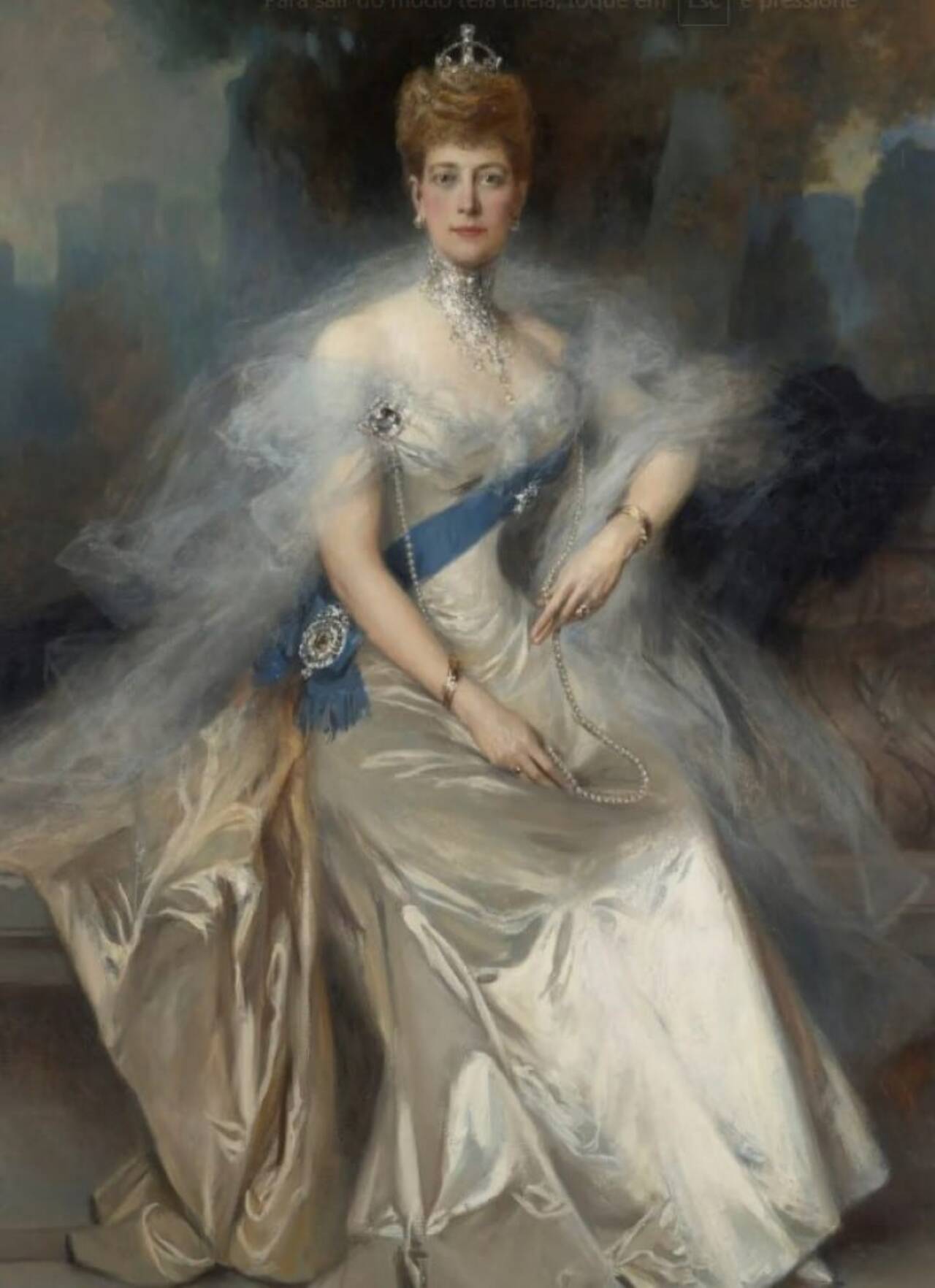
Inovação textile and the impact of artificial light on the ceremony
The making of the model drastically broke with the visual standards established for British consorts over previous decades. The choice of shimmering gold fabric, directly replacing the traditional pearly white, represented a bold aesthetic decision for the solemn coronation event. Renowned Parisian fashion house Morin Blossier took full responsibility for the exclusive design of the piece. The French studio, which stood out for being led entirely by women in a competitive market, delivered a work designed to the smallest detail to interact with the new lighting technology in the religious space.
Relatos details recorded by newspapers of the time describe the immediate visual impact caused by the monarch’s entry. The queen appeared enveloped in an extraordinary glow, the result of the direct reflection of the electric lamps on the hundreds of hand-embroidered sequins along the entire length of the skirt and bodice. The majestic ensemble also featured a heavy mauve velvet cloak, creating a deep chromatic contrast that impressed the guests present at the abbey in August of that decisive year.
Time, however, has posed significant challenges to the preservation of the extremely delicate material. The golden fabric gradually darkened over the decades of storage, losing a considerable part of the original glow that enchanted observers at the time. Para To ensure safe display and restore the piece’s structural details, a specialized team of textile conservators dedicated over a hundred hours of painstaking work. The experts applied advanced cleaning and stabilization techniques to the century-old fibers before authorizing the final assembly in the gallery’s air-conditioned showcases.
Acervo explores the lifestyle of Rei Eduardo VII
The exhibition’s curatorship expands the look beyond the consort’s wardrobe, including rare pieces worn by the monarch himself. Roupas, accessories and personal objects from Rei Eduardo VII help create the complete panorama of an era marked by opulence and refinement. The royal couple dictated behavioral and consumption trends throughout Europa until 1910, when the reign was abruptly interrupted by the death of the sovereign due to serious heart complications.
The taste for international travel and constant luxury defined the dynamic routine of the Edwardian court. The exhibition rescues rare photographic records of these expeditions around the world, with special emphasis on the diplomatic and leisure forays by Oriente Médio. Photographer Francis Bedford documented iconic moments of royalty, such as the famous image that captures the king posing imposingly in front of Esfinge in Gizé, with Grande Pirâmide as the backdrop of the historical composition.
The monarch’s influence also extended to the field of arts and interior design. The Edwardian style was characterized by an aesthetic lightness that contrasted sharply with the gloomy density of the earlier Victorian era. The objects on display in the Scottish gallery reflect this important cultural transition, showing how the European elite began to value brighter environments, softer colors and materials that conveyed a sense of modernity and freshness at the dawn of the 20th century.
Detalhes exclusives gathered at Scottish show
Curator Kathryn Jones highlights that the exhibition highlights the queen’s ability to mix respect for monarchical traditions with touches of striking personality. The complete collection brings together more than 150 items of extremely high historical and artistic value. Visitors find exclusive creations signed by renowned designers who shaped the aesthetics of high society.
- Artefatos in precious metals produced by the iconic jewelry house Fabergé.
- Peças of fine ceramics developed by the traditional British brand Wedgwood.
- Itens of luxury and ornaments made by American Tiffany & Co.
- Fotografias originals documenting the couple’s extensive diplomatic travels.
- Obras of art depicting the evolution of fashion between 1863 and Primeira Guerra Mundial.
The visual narrative constructed by the organizers follows Alexandra’s trajectory since his marriage in 1863. The evolution of his fashion sense reflects the intense social changes that preceded the major world conflicts. The coronation dress functions as the high point of this timeline, materializing the height of the financial power and aesthetic influence of the British monarchy at the beginning of the last century.
Immersive Experiência and access to private quarters
The visitation itinerary offers a deep immersion into the daily intimacy of the royal family. Além from traditional exhibition galleries, the public gains unprecedented access to restricted spaces of Palácio from Holyroodhouse. The private rooms used by the queen during her official stays at Escócia are part of the circuit, allowing you to observe the original arrangement of the furniture and the rich decoration that has been rigorously preserved over the generations.
The experience takes on a cinematic tone through the technological support offered to visitors at the entrance. An interactive multimedia guide leads you through the ornate hallways and gardens of the historic property. The narration of the audio material was carried out by British actor Hugh Bonneville, globally recognized for his work in the acclaimed period series Downton Abbey, adding an extra layer of familiarity and immersion with the aristocratic theme.
The visiting season requires careful prior planning on the part of those interested in seeing the vast collection up close. Tickets for the historic exhibition are now available for purchase in advance through the official Royal Collection Trust online platform. The exhibition will remain installed on the premises of the Scottish capital until the last days of December this year. The long exhibition period offers an extensive and valuable opportunity for researchers, fashion students, historians and admirers of European culture to explore the artifacts that defined an entire generation.





