
Renault and Geely develop hybrid engine with consumption below 3.3 liters per 100 km

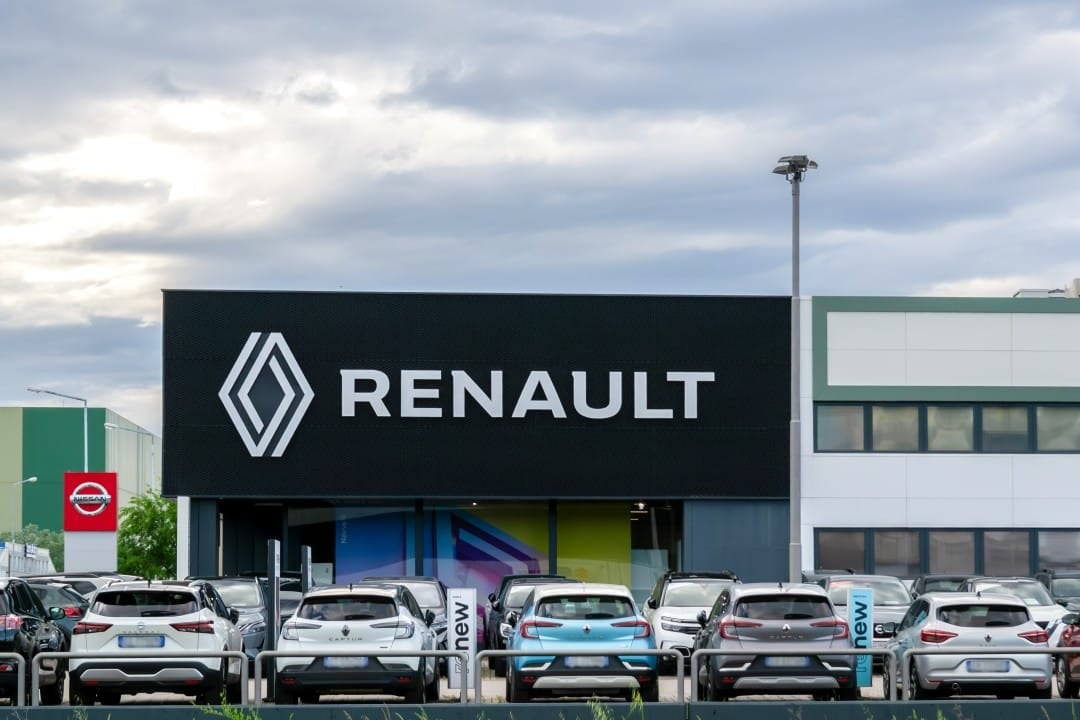
The Renault and Geely advance a solution for combustion engines. The Horse Powertrain joint venture developed the H12 concept that records consumption of less than 3.3 liters per 100 kilometers in the WLTP cycle. The project uses 100% renewable fuel from Repsol.
The engine achieves thermal efficiency of 44.2%. Isso exceeds the 35% to 40% typical of conventional gasoline engines. The technology comes from a 1.2 block already used in models such as Clio, Austral and Duster. Equipes on Espanha led the work.
Motor H12 Concept evolves known base of Renault
The H12 was born as an evolution of the HR12, a three-cylinder turbo manufactured in Valladolid. Engenheiros applied a compression ratio of 17 to 1. Eles also revised the exhaust gas recirculation system.
An optimized turbocharger and high-energy ignition system came into the package. Integrated hybrid transmission reduces mechanical losses. Lubrificantes developed by Repsol helps reduce internal friction.
Essas changes together deliver the main hook. The package can cut consumption by around 40% compared to the average for new gasoline cars in Europa in 2023.
- Taxa high compression 17:1
- Recirculação of redesigned EGR gases
- Turbocompressor with specific calibration
- High Energy Ignição
- Hybrid Transmissão with optimized management
- Repsol Low Friction Lubrificantes
Testes on the road confirms prototype numbers
The concept was not restricted to the laboratory. Protótipos ran the route between Valladolid and Móstoles, on Espanha. The route served to validate performance in real conditions.

In a standardized WLTP cycle, consumption was below 3.3 liters per 100 km. CO₂ emissions reached around 76 grams per kilometer. An average car equipped with the system would emit 1.77 tons less CO₂ per year when traveling 12,500 kilometers.
The gasoline used is called Nexa 95. Repsol produces this fuel from organic waste, used oils and animal fats. Ele does not rely on crude oil and can be fueled in current gasoline engines without modifications.
The project involved teams from Horse Technologies in Valladolid and the Repsol laboratory in Madri. Horse Powertrain is headquartered in Londres and has plants in several countries.
Joint venture brings together Renault, Geely and support from Aramco
Horse Powertrain operates as a partnership between Renault Group and Geely, each with 45% of the shares. Aramco holds the remaining 10% since the end of 2024. The company supplies powertrains to brands such as Volvo, Nissan and Mitsubishi in addition to the parent companies.
Horse’s annual Capacidade reaches close to 5 million engines. Essa scale could accelerate adoption if the concept advances to series production. Hoje around 97% of the European fleet still uses combustion engines.
Melhorias in efficiency bring immediate effect without requiring a complete exchange of the fleet for electric vehicles. The focus is on plug-in hybrids, where the combustion engine operates after the battery runs out.
Renewable Combustível extends technology reach
The Nexa 95 from Repsol is now available at Espanha stations. The fuel maintains 95 octane and meets current specifications.
Uso combined with the H12 engine multiplies the environmental gain. Menos volume of fuel burned and raw materials from renewable sources reduce dependence on fossil sources.
Brazilian Distribuidoras such as Ipiranga and Petrobras follow global efficiency and renewable movements. Carros that consume less tend to reduce volume sold at gas stations over time.
The concept appears at a time of energy transition. Ele shows that combustion engines still receive investments in extreme efficiency.
Próximos steps depend on validation in vehicles
Horse plans demonstrators on real vehicles for early 2026. Modelos of Renault, Dacia or Geely may receive derivative versions in the future.
Nenhum official mass production schedule has been released. Industry Especialistas observe whether the technology reaches markets beyond Europa.
The project reinforces Renault and Geely’s strategy of maintaining competitive combustion engines as electrification advances.



