Research points to beer, even without alcohol, as a supplier of vitamin B6 essential for brain health
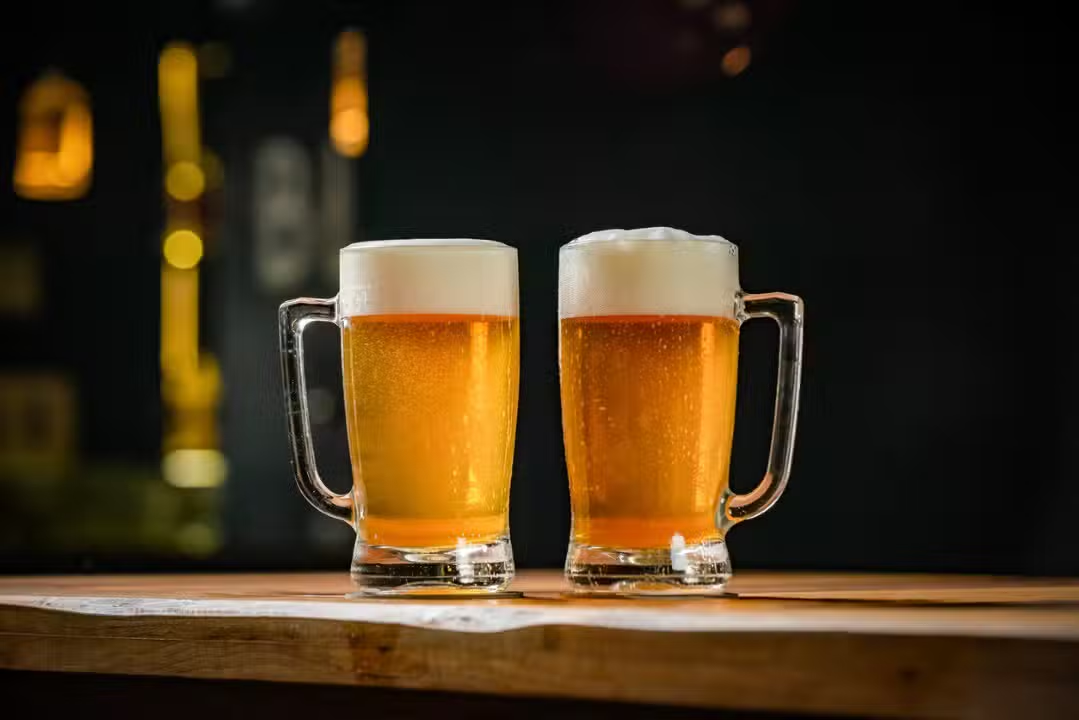
Recent research, conducted by scientists at Universidade of Munique, at Alemanha, revealed that occasional beer consumption can significantly contribute to the intake of vitamin B6, a nutrient crucial for brain function. The study, published in the renowned Journal of Agricultural and Food Chemistry of Sociedade Química Americana, analyzed different types of the drink. The results indicate that, depending on the variety, a 500 ml glass can supply a relevant percentage of the daily need for this essential vitamin for the human body.
Vitamin B6 is widely recognized for its benefits for brain health, blood formation and strengthening the immune system. Embora is present in a wide range of foods, the discovery of beer as an additional and measurable source adds a new perspective to the nutritional debate. Mesmo non-alcoholic versions, such as lagers, proved capable of offering this positive effect, challenging previous conceptions about the presence of nutrients in fermented drinks.
Cerveja as a source of essential B6
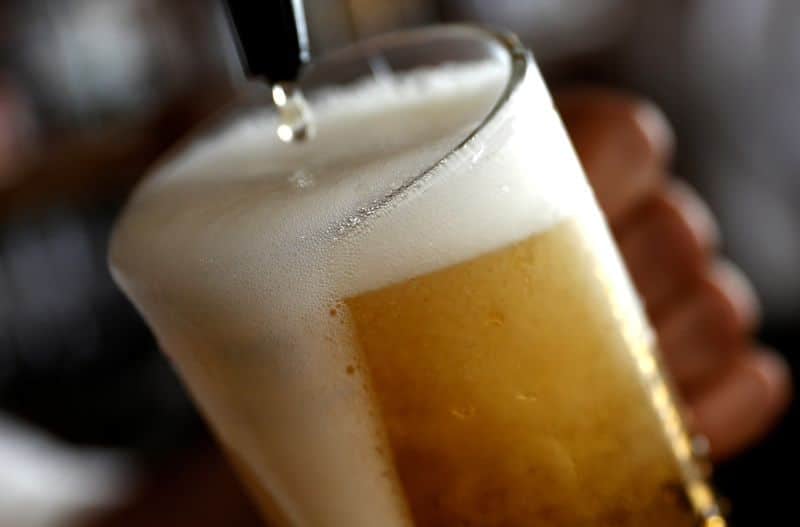
The study detailed that many of the key ingredients in beer making, including barley, wheat and yeast, are naturally rich in vitamin B6. Surpreendentemente, the fermentation process, which transforms these inputs into the alcoholic beverage, does not completely eliminate this important nutrient. Dessa form, a portion of the vitamin remains in the final beer, making it an unexpected source for those looking to optimize their vitamin intake.
Segundo the researchers of Munique, a 500 ml glass of beer can provide approximately 15% of an adult’s daily vitamin B6 requirement. In specific cases, such as a medium lager, the percentage can rise to around 20% of the recommended daily intake. In a notable example, one of the non-alcoholic lagers tested met almost 59% of daily needs, highlighting the nutritional potential of certain variants of the drink that preserve the vitamin even after removing the alcohol.
Variações in concentration between types of beverage
Munique’s Universidade scientists carried out a comprehensive analysis on 65 types of beer, available in local supermarkets at Alemanha, and identified clear differences in vitamin B6 content between them. The variations observed indicate that the choice of type of beer can directly influence the amount of nutrients ingested. Essa diversity in vitamin content is an important finding for understanding the nutritional value of the drink.
Research has revealed the following distribution of vitamin B6:
- Bock beers, known for being fuller-bodied and generally more alcoholic, had the highest levels of vitamin B6.
- Next, lagers, which are the most consumed worldwide, and dark beers also showed significant levels of the nutrient.
- Wheat beers also stood out as good sources of B6.
- At the other extreme, beers produced with rice recorded the lowest vitamin B6 content among all the samples analyzed.
- Entre the non-alcoholic versions, those that go through a complete fermentation process and have the alcohol subsequently removed, concentrated more vitamin B6 than those produced with yeast that naturally generate little alcohol, indicating the importance of the dealcoholization method.
The Reino Unido Public Health System (NHS) recommends a daily intake of around 1.4 mg of vitamin B6 for men and 1.2 mg for women. Based on data from the German study, a liter of beer can contain between 0.3 mg and 1 mg of the vitamin, a considerable range that reinforces the relevance of the differences between types of beer.
Recomendações and Vitamin Deficiency
Vitamin B6 is an essential nutrient that must be obtained through food, with primary sources including meat, fish, oats, potatoes and chickpeas. Muitos breakfast cereals are even enriched with this vitamin to complement the diet. Vitamin B6 deficiency is considered rare in the general population, although low levels may occasionally occur, often associated with a lack of other B vitamins, such as B12, which can trigger symptoms such as tiredness and nausea.


Michael Rychlik, one of the study’s authors, considered that, although the amount of B6 in beer is not enough for the drink to be highlighted as a source of vitamins on the labels, it is measurable if consumption is within the recommended alcohol intake limits. Rychlik clarified that the survey results are “only useful for consumers who want to optimize their vitamin intake” and do not represent a consumption recommendation.
Bridget Benelam, from Fundação Britânica from Nutrição, reinforced the importance of not viewing beer or any alcoholic drink as the main source of nutrients. Ela emphasized that vitamin intake should come from a balanced diet, and that unless a person follows a very restricted diet, it is unlikely that they are not consuming enough vitamin B6. Indivíduos with health problems such as alcoholism or chronic kidney disease, however, may face difficulties in maintaining adequate levels of the vitamin. The expert also recommends focusing on other important B vitamins, such as B12 and riboflavin (B2), present in dairy products and foods of animal origin, essential for metabolism and energy release.
WHO Alerta on the risks of alcohol
Apesar of the findings on vitamin B6, it is crucial to highlight that Organização Mundial of Saúde (WHO) maintains the position that there is no safe level for health in alcohol consumption. The organization warns of the serious risks associated with any amount ingested, advising against regular consumption of the drink due to its multiple negative effects on the human body and global public health.
A report released by the WHO approximately two years ago revealed that alcohol consumption was a contributing factor in approximately 2.6 million deaths worldwide in 2019 alone. Adicionalmente, around 724,000 deaths were the result of injuries such as traffic accidents, self-harm and violence.
The organization also highlighted that another 284,000 deaths were related to communicable diseases. Foi proved that alcohol consumption can increase the risk of HIV transmission through unprotected sex and also the risk of tuberculosis infection, by suppressing some immune system reactions. Alcohol has been proven to be linked to at least seven different types of cancer, including bowel and breast cancer, reinforcing the severity of its carcinogenic effects.
An in-depth analysis carried out by the WHO concluded that even light and moderate alcohol consumption, defined as less than 1.5 liters of wine, less than 3.5 liters of beer or less than 450 milliliters of spirits per week, is dangerous to health. The organization is emphatic in stating that the “risk to the health of those who drink begins with the first drop of any alcoholic beverage”, highlighting the absence of a safe quantity. Especialistas also warn of the neurotoxic effect of alcohol consumption, with neuropsychological and neuroimaging studies highlighting the vulnerability of crucial neural networks, such as the frontocerebellar (balance), frontolimbic (memory, motivation, self-awareness) and frontostriatal (emotional regulation, inhibition, cognitive flexibility).
See Also em Latest News (EN)

Tech giant reveals new iPhone 18 Pro with translucent back and 5200 mAh battery
25/04/2026
Forza Horizon 6 goes on pre-sale with discount and confirmation of Japan as main setting
25/04/2026
Apple announces new smartphone with transparent back and long-lasting battery for the global market
25/04/2026
Electoral Court sets deadline for issuing and regularizing the document for the 2026 election
25/04/2026
2026 World Cup defines calendar with end in July and unprecedented triple venue in North America
25/04/2026
Nintendo Switch 2 communication feature requires subscription in April and Mario Kart receives classic mode
25/04/2026
Aggressive discount clears PlayStation 5 Pro stocks in the main Brazilian virtual stores
25/04/2026
Targeted action from Microsoft cuts the value of the Xbox Series X in the console store in half
25/04/2026
Resident Evil Village players receive bonuses for movie rentals in the Sony ecosystem
25/04/2026
Valve surprises players and releases four independent titles for free in its digital store
25/04/2026
PlayStation 5 owners gain definitive access to two titles at no extra cost
25/04/2026