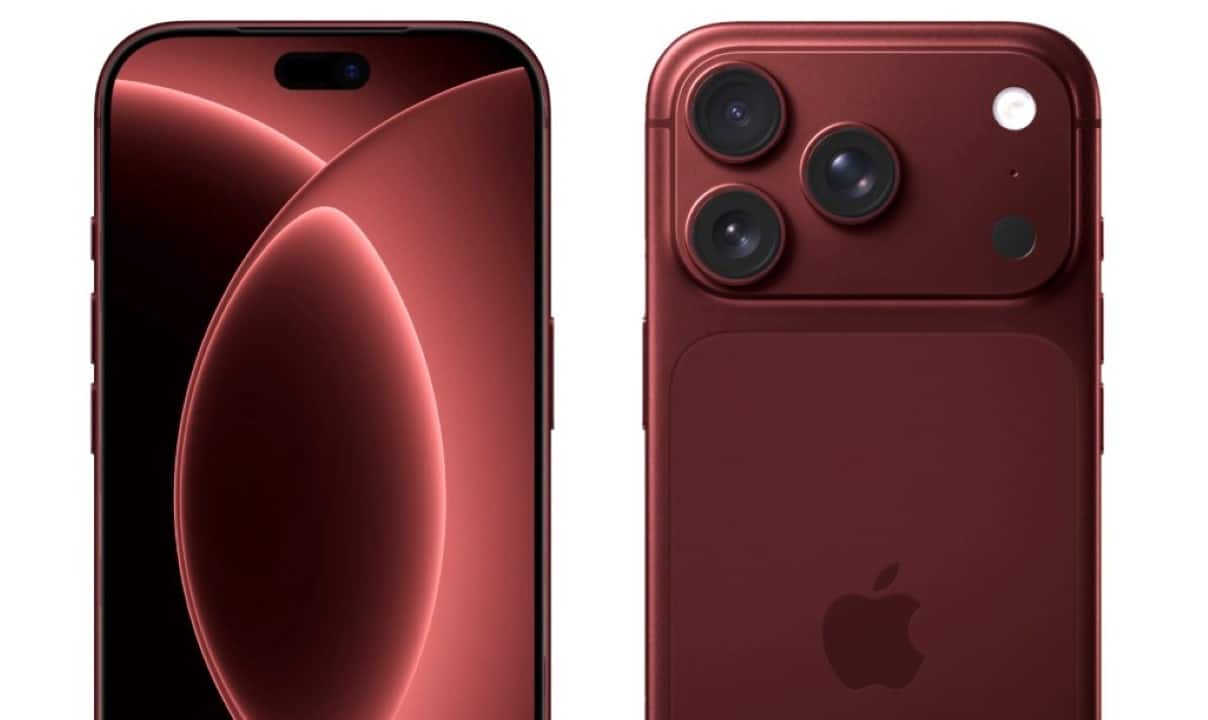
The global mobile device industry is undergoing a structural transformation with the announcement of a new generation of high-performance smartphones. Apple confirmed the development of the iPhone 18 Pro with profound visual changes. The equipment features an unprecedented format that exposes the internal components through a translucent rear panel. The aesthetic change required a complete redesign of the motherboard and heat dissipation systems. The device hits international market shelves in September 2026.
The project conducted at the company’s headquarters in Cupertino breaks with the design standards maintained in the last assembly lines. Hardware engineers worked hard to create specific metal alloys that support the new architecture. The change establishes a new level of competition in the telecommunications sector. Asian factories have already begun calibrating precision machinery for mass production of components.
Estrutura titanium and reinforced glass panel
Para To enable the durability of the fully transparent rear panel, the manufacturer opted for a specific glass alloy. The material undergoes exclusive chemical treatment in cutting-edge laboratories. The complex industrial process protects the component against natural yellowing caused by time and exposure to light. The chemical composition also guarantees superior resistance against accidental drops and daily scratches. The panel preserves the visual integrity of the device even after months of continuous use in adverse conditions.
The main chassis structure uses aerospace-grade titanium in its composition. The material provides incomparable lightness and extreme structural rigidity to the mobile device. The integration between the machined metal and the new transparent glass required the formulation of an industrial adhesive that was unprecedented on the market. The chemical compound seals the equipment against the entry of water and dust. Protection meets the most stringent industry certifications without compromising the transparency that reveals internal engineering.
Gerenciamento thermal and new power cell
The autonomy of use of the equipment received a significant technical update in this generation. The device houses a power cell that clocks in at 5200 mAh. The significant increase in volumetric capacity occurred through a new internal composition architecture. The millimetric optimization of space allowed the inclusion of the high-density battery without changing the overall thickness of the smartphone.
The display of internal parts made temperature control the industrial design team’s main challenge. The thermal solution implemented by the manufacturer involves three main areas of assembly action:
- Aplicação of high-density graphene plates directly on the processors.
- Implementação of a completely redesigned vapor chamber system for the chassis.
- Dissipação quickly and silently removes heat generated by the main chip during use.
The frame protects the rear glass panel from overheating while performing heavy tasks. Price positioning in stores reflects the high research and development costs of new materials. The commercial strategy consolidates the device in the ultra-premium segment of the global technology market. The focus is on consumers who seek the highest level of innovation in hardware.
Sensores under screen and front bezel reduction
The dimensions of the displays underwent precise adjustments on the Asian production line. The standard high-performance model now offers 6.3 inches of usable space. The largest variant reaches the 6.9-inch mark. Display engineering managed to further refine the frames surrounding the OLED panel. Edge reduction maximizes viewing and provides an immersive experience while consuming media.
The most substantial change to the front interface involves the relocation of the facial recognition and brightness sensors. The components now operate under the active smartphone screen. The technical modification reduced the area occupied by the upper cutout of the display by 35%. The valuable space freed up houses operating system status icons and notifications. The development of the under-screen biometric sensor required extensive research to ensure accuracy and security.
Infrared light penetrates the pixel array without causing visual distortions. The system validates the user’s identity instantly in any external lighting condition. The maximum brightness in open areas has been considerably increased to make reading easier. The processing core uses a chip manufactured using the 2 nanometer process. The component represents a historic milestone in the miniaturization of transistors in the industry.
The processor runs artificial intelligence algorithms directly on the mobile device. The architecture drastically reduces dependence on cloud servers for complex tasks. The device’s RAM memory has been expanded to 12 GB in this new generation. The technical specification keeps language models running in the background without interruption. The capacity ensures fluidity in switching between dozens of simultaneous applications and translation tools.
Sistema mechanical photographic and satellite connection
The rear photographic assembly introduces a variable aperture mechanism on the main lens. Technology inherited from professional cameras allows the sensor to physically adjust the amount of light captured in the environment. Mechanical innovation dramatically improves depth of field in natural portraits. The feature generates authentic background blur and increases the sharpness of night photographs. The system eliminates visual noise in very low light scenarios.
Todas module lenses received a new optical coating developed in the laboratory. The material mitigates unwanted reflections from direct light sources such as street lamps or vehicle headlights. The optical zoom system adopts an improved refraction prism. The part stabilizes the image more efficiently when filming in motion or capturing distant objects. The integration between the camera hardware and the new signal processor applies artificial intelligence filters at the exact moment of the click.
The software corrects color distortions and adjusts white balance even before the file is saved to internal memory. The communications infrastructure supports a much more robust satellite connection. Integrated radio frequency technology allows short voice calls to be made. The system sends compressed multimedia files in remote regions where traditional cellular network coverage is completely non-existent. The manufacturer marked the definitive removal of the physical tray for carrier chips in favor of virtual technology.