
Automotive alliance presents hybrid powertrain capable of running with record thermal efficiency

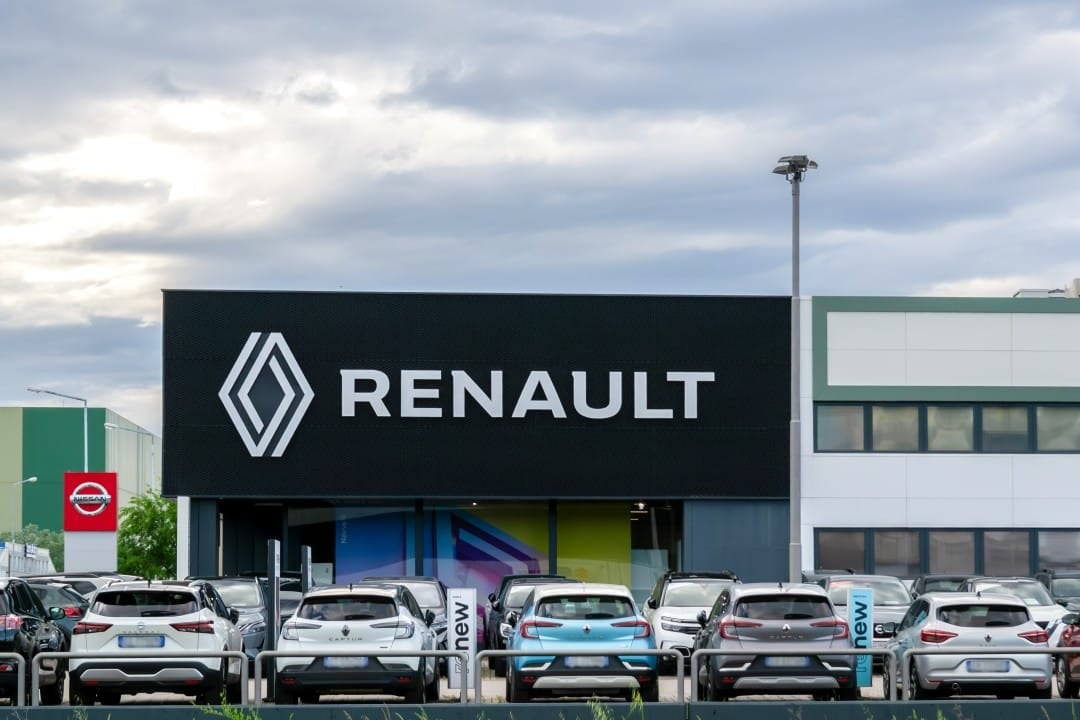
The global automotive industry has just recorded a significant advance in the development of internal combustion engines. Horse Powertrain, a joint company formed by automakers Renault and Geely, has revealed the H12 concept. The engineering project achieved a consumption of less than 3.3 liters for every 100 kilometers traveled, measured under the strict European WLTP cycle. The system works in an integrated manner with a completely renewable fuel supplied by the Spanish oil company Repsol.
The development of this mechanic occurs at a time of intense transformation in the transport sector. Manufacturers are looking for viable alternatives to reduce carbon emissions while the infrastructure for pure electric vehicles is still expanding around the world. The new technology demonstrates that traditional engines still have considerable room for technical improvements. The focus is on maximizing the energy extracted from each drop of fuel injected into the combustion chambers.

Arquitetura mechanics raises the bar on thermal utilization
The highlight of the project lies in its impressive thermal efficiency of 44.2%. Este number represents the amount of energy generated by burning fuel that is effectively transformed into movement at the wheels. Conventional gasoline engines found in most passenger cars operate at an efficiency ranging between 35% and 40%. The rest of the energy ends up lost in the form of heat and internal friction.
The technology is based on a structural base already consolidated in the market. The engineers used the 1.2-liter block that currently equips vehicles known to the European public, such as the Duster sports utility vehicle, the Austral and the compact Clio. The research and modification work was led by teams of experts based at Espanha. Eles focused on refining each mobile component to extract maximum performance.
The H12 concept appears as a direct evolution of the HR12 engine. Este three-cylinder turbocharged powerplant has a production history at the Valladolid factory. The development team applied cutting-edge engineering concepts to transform a street engine into an extremely high-performance prototype, proving the versatility of the original design.
Modificações techniques ensure drastic reduction in emissions
Para reached record consumption figures, the engine’s internal architecture underwent profound revisions. The compression ratio has been raised to a ratio of 17 to 1. Esta change forces the air and fuel mixture to a state of extreme density before the spark, resulting in a much stronger and cleaner explosion. The exhaust gas recirculation system also received an unprecedented design to optimize temperature control in the chamber.
The upgrade package includes a turbocharger with specific calibration to operate in high efficiency regimes. A high-energy ignition system ensures complete burning of the compressed mixture. The integrated hybrid transmission acts intelligently to reduce mechanical losses during gear changes and the transfer of power to the axles.
The joint engineering effort resulted in an extensive list of improvements focused on fuel economy and durability of the mechanical assembly. The main innovations applied to the block include:
- Taxa compression increased to 17:1 aspect ratio.
- Completely restructured exhaust gas recirculation Sistema.
- Turbocompressor tuned with high precision calibration.
- Módulo ignition designed to release high energy.
- Hybrid transmission Caixa with advanced electronic management.
- Óleos low friction lubricants supplied by Repsol.
The combination of all these mechanical changes delivers an impressive practical result. The powertrain manages to cut fuel consumption by approximately 40% when compared to the average recorded by new gasoline cars sold at Europa during 2023. The reduction of internal friction, helped by special fluids, plays a fundamental role in these savings.
Practical Testes validates performance on Spanish highways
The concept was not restricted to testing laboratories and dynamometers. The prototypes equipped with the new engine ran on real roads on the route between the cities of Valladolid and Móstoles, located in Espanha. The road route served to validate the propellant’s behavior under normal traffic conditions, facing variations in terrain, temperature and speed.
Durante evaluations in the standardized WLTP cycle, carbon dioxide emissions reached the mark of 76 grams per kilometer driven. The long-term environmental impact is substantial. A medium-sized car equipped with this system would stop emitting around 1.77 tons of CO₂ into the atmosphere over the course of a year, considering an average usage of 12,500 kilometers per year.
The project required close collaboration between different corporate divisions. The Horse Technologies teams at Valladolid worked together with researchers from the Repsol laboratory located at Madri. Horse Powertrain, which maintains its administrative headquarters in Londres, coordinates operations and has industrial plants spread across several countries.
Combustível of organic origin replaces petroleum derivatives
The environmental performance of the H12 engine is directly linked to the use of Nexa 95 gasoline. The Repsol produces this innovative fuel from the processing of organic waste, used cooking oils and fats of animal origin. The resulting liquid does not have a single drop of crude oil in its composition, making it a completely renewable energy source.
The great technical advantage of the Nexa 95 is its universal compatibility. The fuel maintains 95 octane and meets all technical specifications required by regulatory bodies. Isso means it can be placed in the tank of any current gasoline engine without the need for mechanical adaptations or electronic reprogramming.
The combined use of organic fuel with a high-efficiency engine multiplies ecological gains. The burning of a smaller volume of liquid, added to the renewable origin of the raw material, drastically reduces global dependence on fossil sources. The product is now available to consumers at selected gas stations at Espanha.
Corporate Estratégia targets gradual energy transition
Horse Powertrain operates on the global market as a major company. Renault Group and Geely each hold 45% of the company’s shares. Energy giant Aramco acquired the remaining 10% in late 2024, injecting capital and expertise into synthetic fuels. The company serves as an engine supplier for renowned brands including Volvo, Nissan and Mitsubishi.
The joint venture’s annual production capacity is close to 5 million engines. Esta massive industrial scale has the potential to accelerate the adoption of the new technology if the concept is given the green light for series manufacturing. Atualmente, around 97% of the passenger vehicle fleet in circulation on the European continent still depends on internal combustion engines to get around.
Continuous improvements in thermal efficiency offer an immediate positive effect on air quality without requiring an immediate switch of the entire fleet to electric cars. The commercial focus of the technology is on plug-in hybrid vehicles. Nestes models, the combustion engine starts only after the electric battery charge is exhausted, guaranteeing autonomy for long trips.
Horse plans to place functional demonstrators in real production vehicles by early 2026. Modelos from the brands Renault, Dacia or Geely itself appear as the most likely candidates to receive the first versions derived from this project. Automotive sector experts monitor the tests to assess the commercial viability of the system in markets outside the European continent.





