
Michael Jackson biopic leaves hook for second film after high production cost


Recreating the lives of great music icons poses complex challenges for the contemporary film industry. The volume of historical events, sales records and visual transformations often forces directors to make difficult decisions in the editing room to keep the narrative moving smoothly. Condensar Decades of cultural impact in just one feature film often result in painful cuts for producers and the most ardent fans.
The biopic titled Michael, scheduled for release in theaters in April 2026, perfectly illustrates this scenario of creative choices. The production directed by Antoine Fuqua and starring Jaafar Jackson follows the singer’s trajectory from his first steps in Jackson 5 to the commercial peak of the Bad era. The film ends its run with a direct message on the screen, indicating that the story does not end there and paving the way for a direct continuation on the big screen.
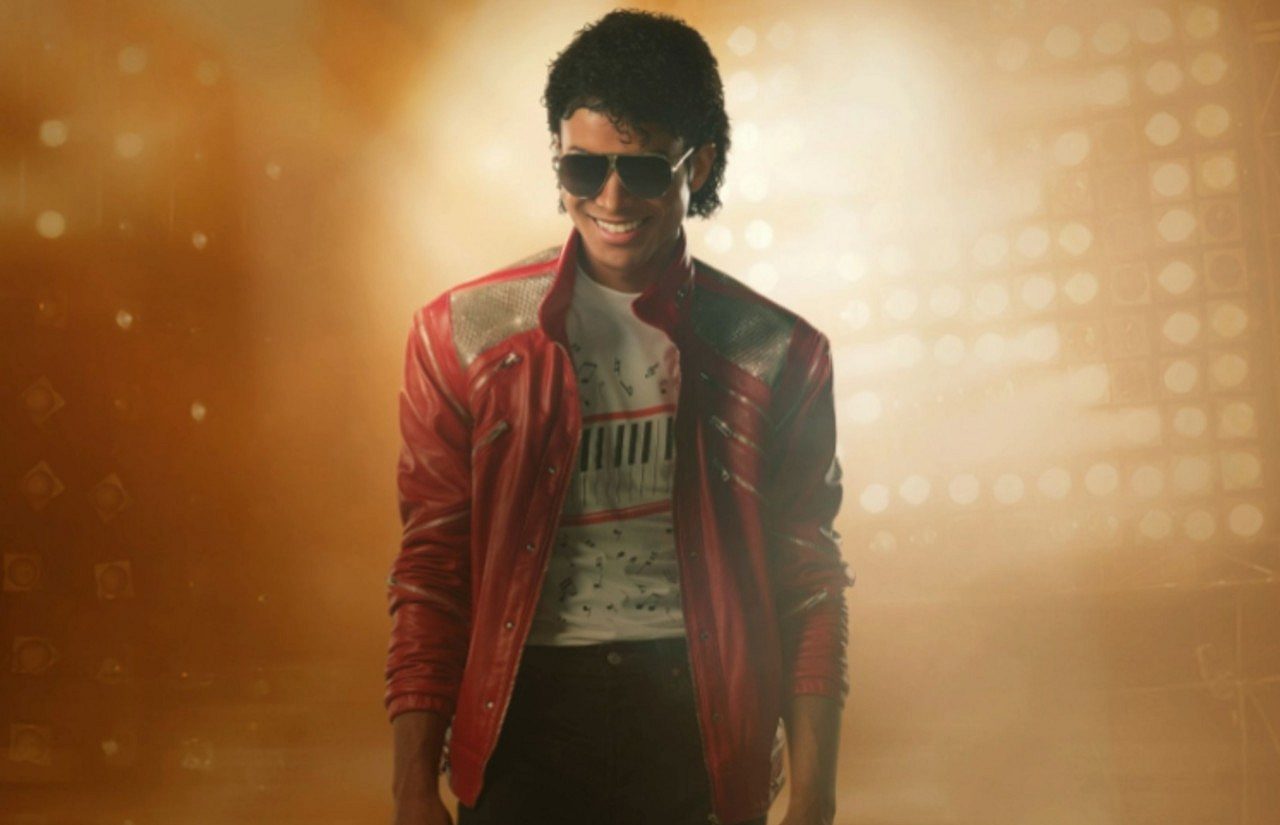
Corte final prioritizes musical ascension and ends with Bad album tour
The script focuses its efforts on the artist’s formative phase and his unprecedented global explosion. The narrative explores his youth, his rigorous training on stage and the transition to a solo career that redefined the global music market. Jaafar Jackson takes on the heavy responsibility of playing his own uncle during these crucial decades of artistic development and consolidation of fame.
The choice to freeze the timeline after Bad’s shows serves a specific narrative purpose. The creative team chose to focus on the star’s musical genius and public image building before the legal issues of the following decades dominated the news. The climax of the film focuses on the detailed recreation of the live performances that marked the end of the 1980s and filled stadiums around the planet.
The characterization work required absolute historical accuracy. Profissionais makeup and wardrobe recreated the classic looks of each era portrayed with attention to the smallest details. The protagonist’s physical and vocal resemblance impressed the producers during recording in the studios, facilitating immersion in the pop universe of that golden period of music.
Excesso of recorded material generates millions of dollars in additional costs for the studios
Behind the scenes of the project faced significant logistical obstacles due to the excessive ambition of the work. The cameras recorded more than three and a half hours of raw material over the months of work. Esse’s massive volume of scenes forced the editing team to discard important sections to reach a viable length for the commercial cinema circuit.
Jackie Jackson, who serves as the film’s executive producer, confirmed the abundance of content captured through Antoine Fuqua’s lens. The excess footage allowed the screenwriters to identify gaps and make structural adjustments to the story even with production already well underway.
The search for the ideal tone resulted in an unplanned return to the film sets. The team dedicated around 22 full days just to reshooting specific scenes and adding new dialogue. The movement made the project significantly and immediately more expensive. The production coffers had to bear an extra cost of US$75 million. The director supervised every detail of these changes to ensure the visual cohesion of the final work.
Mensagem cryptic before credits hints at franchise planning
The film’s final sequence delivers the strongest clue yet about the future of intellectual property in cinemas. Logo after the protagonist takes the stage to perform Bad’s title track, the screen displays the phrase “His story continues” prominently. Esse textual element works as a clear hook for the audience following the session.
Rumores in the corridors of Hollywood point out that the biopic division was already in the financiers’ initial plans. Separar the singer’s complex life in two chapters avoids a rushed and superficial narrative about his achievements. The strategy allows for greater depth in the different phases of the artist’s career and aesthetic changes.
- The original script was adapted to focus strictly on art and music.
- Membros from the Jackson family followed the recordings closely as executive producers.
- Audio capture prioritized the use of the singer’s remastered original tracks.
- The final cut reached a leaner length after the reshooting sessions.
- The photography sought to replicate the exact lighting of shows and music videos at the time.
The approach mirrors tactics used in major fiction franchises, but represents a bold move for the dramatic biographical genre. The studio relies on the inexhaustible strength of the musical catalog to sustain the viewer’s interest for multiple hours inside the movie theater.
Segunda part of the biopic would cover his time at Brasil and shows at Super Bowl
An eventual sequel has vast historical material to explore on screen. The 1990s brought even bigger spectacles and drastic changes to the global entertainment industry. The new itinerary would naturally cover the Dangerous era and the gigantic world tour associated with the album, which broke attendance records.
Momentos emblematic characters await adaptation into cinematographic language. The construction of the famous Neverland ranch appears as a central point in the future plot, illustrating the star’s isolation. Além Furthermore, Super Bowl’s historic halftime performance that redefined American sports television broadcasting, offers a full plate for art direction and choreography.
The international footprint of the tours would also gain mandatory prominence in the second volume. The artist performed outstanding performances at Brasil during this transition period. Esse specific episode is among the events listed to appear in the story expansion. The release of the HIStory album and its global impact would provide the sonic foundation for the closure of the musical saga.
Desempenho at the global box office will dictate the future of the film project
Nenhuma continuation gets the green light without solid financial guarantees in the current industry. Lionsgate and Universal Pictures maintain a cautious stance regarding the official announcement of a second film. Executives evaluate the macroeconomic scenario and await the numbers for the first weeks of exhibition in 2026.
Internal studio projections indicate a largely positive result. The enduring appeal of the theme and the public’s curiosity about the behind-the-scenes of fame form a solid foundation for the international marketing campaign. The project uses only the name Michael in the title, trusting in the pop figure’s immediate recognition anywhere in the world.
The current film market demonstrates a strong receptivity to well-produced musical biographies, propelling the genre to new levels of revenue. Contudo, the high investment in reshoots considerably raised the box office target necessary for the project to begin generating real profit for distributors. The response from fans in theaters will ultimately determine whether the technical teams return to the studios to complete Rei’s Pop narrative.



