Technology tycoon used SpaceX capital to clean up personal and corporate finances
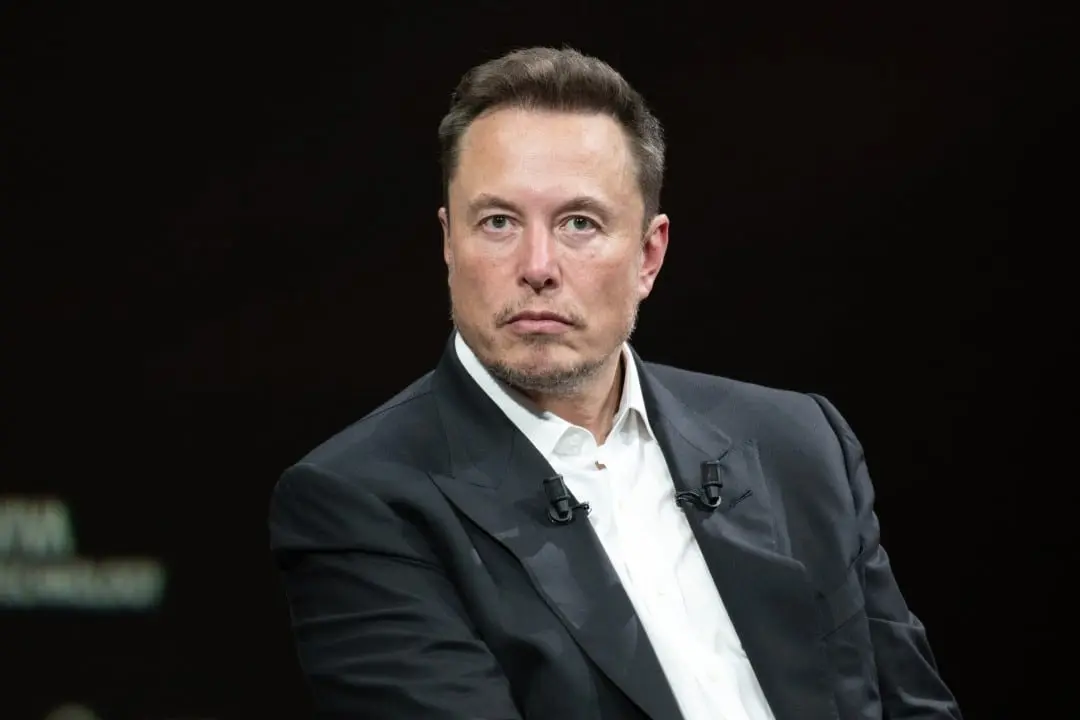
Businessman Elon Musk withdrew hundreds of millions of dollars from SpaceX’s coffers from the beginning of 2018. The financial operation involved interest rates considerably lower than those charged by the traditional banking market. The total volume of transfers reached the mark of half a billion dollars over three years. The executive fully paid off the main debt and charges at the end of 2021.
The accounting maneuver occurred in a period of strong turbulence for the billionaire’s other businesses. Electric vehicle manufacturer Tesla was facing severe bottlenecks on the assembly line for its new models. The energy company SolarCity also required constant injections of capital to maintain active operations. The aerospace company’s closely held structure allowed for quick approval of resources without immediate public scrutiny.
Privately held Estrutura facilitated quick approval of funds
Documentos insiders reveal the exact mechanics of financial transfers carried out by the board. The first transfer took place in January 2018 with the initial value of 100 million dollars. Interest rates applied to contracts ranged from less than 1% to a ceiling of almost 3%. Commercial Bancos required much more robust guarantees and high interest rates for credit operations of this magnitude at the same time. The absence of dispersed minority shareholders simplified the process of releasing the money.
Companhias listed on stock exchanges operates under strict rules of securities commissions. The legislation prohibits or severely limits direct lending to top executives at publicly traded companies. SpaceX has no shares traded on the public market. The majority shareholding control remains in the hands of the founder himself. Essa’s legal feature shielded transactions from immediate questions from external investors and independent analysts.
The financial mechanism avoided a direct negative impact on the global stock market. The executive would need to sell a massive volume of shares in the car manufacturer to raise the same amount of cash. A sale of this proportion would instantly drop the company’s market value. The use of the rocket maker’s cash worked as a buffer during the liquidity crisis. Especialistas in the financial market point out that the strategy preserved the businessman’s personal assets and the stability of his other brands.
Crise of production at the electric vehicle manufacturer led to withdrawals
The year 2018 represented one of the most critical moments for the technology conglomerate. The crisis was profound. The automotive production line operated well below the targets set for institutional investors. The daily cash burn threatened the automaker’s survival in the short term. Indirect financial support helped stabilize the balance sheet in the following months.
The dynamics of the loans followed a specific internal execution standard approved by the company’s top management. Corporate records detail the conditions established between the parties involved in the financial agreement.
- The money went directly from the aerospace company’s corporate accounts to the founder’s personal accounts.
- Floating interest rates followed the minimum rates established by monetary authorities during the transaction period.
- The payment schedule occurred without any records of delays or renegotiations of deadlines over the three years.
- The total payment of the principal amount and financial corrections took place in December 2021.
- The secrecy of operations remained intact until recent access to internal administration documents.
The practice of using the space exploration company as financial support lasted for around two decades. Pelo but three companies associated with the billionaire received some type of aid in times of economic instability. The solar panel company absorbed a significant portion of the rescue efforts before its final merger with the car manufacturer. The cross-capital flow kept the corporate ecosystem functioning during cycles of low collections and high reserve burn.
Leia Também

Striker Estêvão details the emotional impact of a serious injury that made his trip to the World Cup unfeasible

YouTuber Jesse Ridgway and wife terminate pregnancy after Down syndrome diagnosis and suffer threats

The Duke and Duchess of Sussex release new records to celebrate daughter Lilibet’s fifth birthday
Crescimento of government contracts guaranteed cash liquidity
The ability to lend million-dollar amounts reflects the commercial success of the rocket manufacturer. The company has aggressively diversified its revenue sources over the past decade. The contracts signed with the American space agency guaranteed a constant and predictable cash flow. The defense department also increased orders for military satellite launches. Robust revenue generated a surplus of capital available for discretionary internal allocation.
The satellite internet service transformed the corporation’s business model definitively. The global connectivity network has added a recurring revenue layer based on end-consumer subscriptions. The project required heavy investments in orbital infrastructure in the first years of development. The maturation of the system allowed unprecedented financial flexibility for the executive board. The exclusive dependence on government missions decreased drastically with commercial expansion on several continents.
Analistas from the aerospace sector monitor the volume of capital handled by the company annually. Building new heavy-duty vehicles consumes billions of dollars in research. Testing infrastructure requires continuous expansions of industrial facilities. The use of cash resources for personal purposes raises questions about the prioritization of investments in technological development. The board maintains the official statement that the main operations have never suffered funding cuts due to lack of liquidity.
Debates on corporate governance and the future of the stock market
The revelation of the documents reignited discussions about management practices in the technology sector. Especialistas in governance point out the risks of excessive concentration of power in the hands of a single individual. The dividing line between the founder’s personal assets and the company’s assets becomes blurred in this management model. Institutional investment Fundos typically require independent boards of directors and rigorous audits. The current structure works well in the private sphere, but faces severe barriers in the open market.
An eventual public offering of shares would require a complete overhaul of internal compliance policies. Regulatory bodies demand full transparency about transactions involving related parties before authorizing an IPO. Retail investors need to know all the risks associated with managing corporate cash. The company would need to prove the independence of its financial directors in relation to the demands of the majority shareholder. The financial market prices governance risk when assessing the market value of a large corporation.
The aerospace company continues to dominate the global market for commercial and government launches. The rate of orbital missions exceeds the sum of all active international competitors. Technological advances occur in parallel with debates about the group’s financial architecture. Public scrutiny of executive decisions increases in proportion to the impact of their companies on the global economy. The internal control rules will dictate the pace of the conglomerate’s next expansion phases.