Oppo Find X9 Ultra challenges the market with two 200 megapixel cameras and 10x true optical zoom
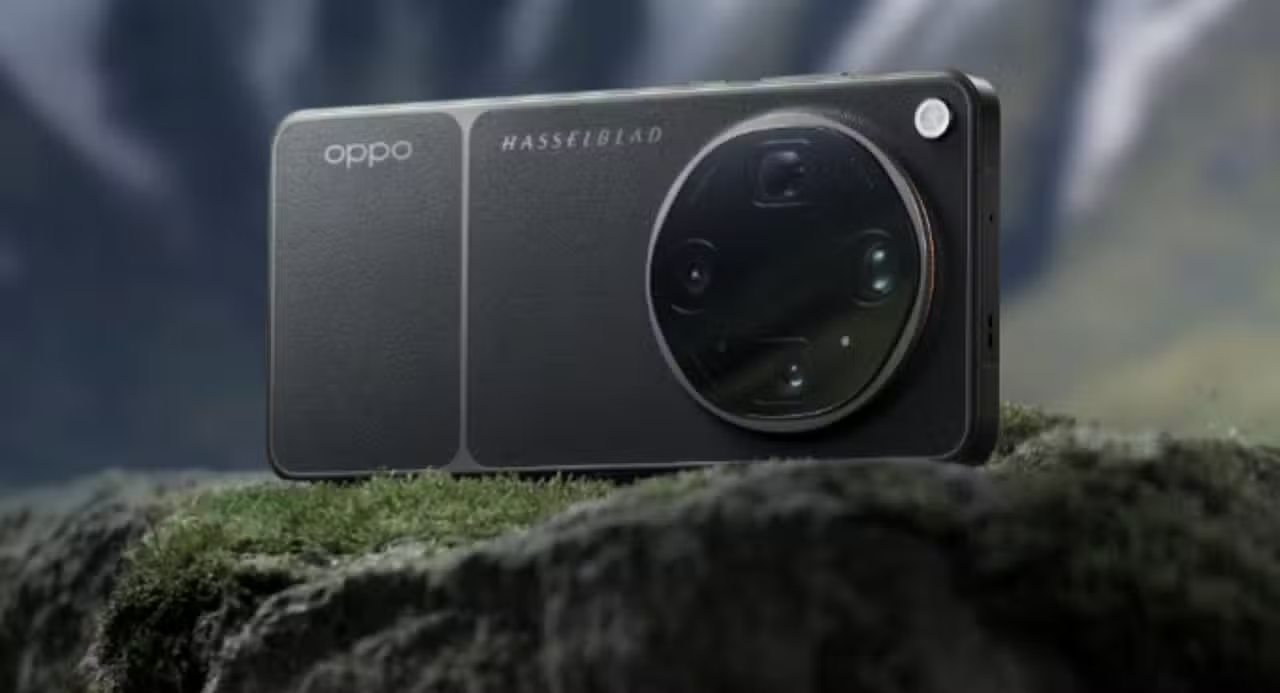
Chinese manufacturer Oppo has presented a new mobile device focused on extreme photographic hardware specifications. The Find X9 Ultra model hits the global market with a set of lenses that prioritize physical capability over pure digital processing. The strategy goes against the current trend in the technology industry, which seeks to fine-tune software. The visual impact of the device on the shelves is immediate.
The launch puts the Asian brand on a direct collision course with the premium lines of Apple and Samsung. Essas industry giants have adopted an extremely conservative stance in recent years, focusing their efforts almost entirely on artificial intelligence. The new device revives the race for absolute numbers in capturing daily images. The change in focus attracts demanding consumers who seek total control over the click.

Implementação with ultra-high resolution dual sensors
The main novelty of the equipment lies in the simultaneous use of two 200 megapixel pieces on the rear. Competitive companies usually reserve this pixel density only for the primary lens of their most expensive cell phones. The manufacturer broke this established pattern by installing the same capability in the close-up telephoto camera. The engineering decision transforms the capture of details over short distances.
The user can record complex textures even when zooming three times in the camera application. Loss of sharpness during approach is a historical problem in smaller sensors used by competitors. The new physical architecture tries to solve this flaw definitively and mechanically. The massive volume of captured data allows for deep cuts in the original image without visual degradation noticeable to the naked eye. The photographer gains full autonomy in subsequent editing.
Módulo rear developed in partnership with Swedish brand
The complete optical system was born from a direct collaboration with Hasselblad. The traditional European professional photographic equipment company helped with color calibration and lens design. The result is a very robust circular rear block that houses four distinct capture units. Industrial design assumes large size as an aesthetic attraction.
- Main Lente with 200 megapixel sensor designed for maximum absorption of ambient light.
- Câmera secondary 200 megapixel telephoto dedicated to portraits at three times zoom.
- Unidade 50 megapixel periscope structured to deliver true ten times optical zoom.
- Lente 50 megapixel ultrawide designed for recording landscapes and wide angles.
The physical arrangement of these four parts requires considerable internal space in the phone’s aluminum chassis. The thickness of the cell phone reflects the complexity of the prisms and mirrors housed beneath the scratch-protective glass. Light travels an actual physical path before reaching the digital image sensor. The mechanical process guarantees the fidelity of colors and contrasts of the original captured scene. The industrial aesthetic embraces the exaggerated size of the module.
Long-range native approach Retorno pleases purists
The device marks the return of a specification much sought after by image professionals and event covers. The ten-fold optical zoom had disappeared from the catalogs of major global brands since the end of 2023. The industry standardized the use of smaller lenses, applying digital cropping to simulate greater ranges. The change generated severe criticism from photography enthusiasts.
Maintaining a component dedicated exclusively to extreme approximation delivers much better results in practice. The device records distant objects without the artificial appearance created by image interpolation algorithms. The fluid transition between the four cameras provides an extremely versatile field of view for everyday use. The user frames complex scenes at shows or sporting events without having to physically move around the environment. The experience refers to the use of heavy professional equipment.



Exigência computational and video recording improvements
Managing files generated by multiple gigantic sensors requires uninterrupted processing capacity. The smartphone uses cutting-edge chips to avoid crashes when capturing photos in sequence. Product engineering focused on ensuring instant clicks. Shutter lag often ruins photographs of sports or fast-moving subjects. Memory writing speed has also increased.
The agility of the operating system eliminates the label of a mere laboratory experiment. Video capture receives significant improvements with the new hardware configuration. The phone applies advanced optical stabilization to the long-range lens to negate hand shake. The end result is fluid footage with a cinematic look. The dependence on tripods decreases drastically.
The enlarged size of the sensors facilitates the natural entry of light into the equipment. Esse physical detail improves the quality of images taken indoors or at night. Digital noise in dark areas is considerably reduced thanks to greater photon absorption. The use of LED flash becomes unnecessary in most low light situations.
Impacto commercial in the premium mobile phone segment
The cell phone market showed clear signs of stagnation in the dispute over physical specifications. Industry leaders focus their investments on integrating generative tools and automatic corrections. The Asian manufacturer’s bet represents an aggressive commercial counterpoint in a predictable environment. Hardware innovation is once again starring in advertising campaigns in the luxury segment.
The construction of a complex photographic system significantly increases manufacturing costs. The inclusion of periscopic lenses and multiple giant sensors is reflected in the final price charged on international shelves. The brand targets the product at a specific niche of content creators who seek maximum visual quality. The high financial investment is justified by the technological longevity of the set.
The launch establishes a new technical level for high-cost portable devices. The union between raw data processing and traditional optical excellence serves a portion of consumers dissatisfied with artificial corrections. The manufacturer consolidates its position in the premium segment by delivering equipment focused on manual light control. The dispute for extreme physical specifications is gaining momentum on the international scene.
See Also em Latest News (EN)

Morning coffee consumption reduces risk of premature death by up to 31%
01/05/2026
Sleeping without clothes improves sleep quality, says research expert
01/05/2026
Nikola Jokic causes confusion with Jaylen Clark in the Nuggets’ defeat and fall in the NBA playoffs
01/05/2026
Vasco beats Olimpia 3-0 and gains confidence for the classic against Flamengo at Maracanã
01/05/2026
F1 Miami GP: everything about the first free practice and Gabriel Bortoleto’s return to the track
01/05/2026
Dani Ceballos breaks with Arbeloa and asks not to have contact with the Real Madrid coach
01/05/2026
Negotiations with Iran advance in secrecy, says Trump about diplomatic talks
01/05/2026
Arrascaeta leaves hospital after clavicle surgery and begins rest before returning to Flamengo
01/05/2026
LeAnn Rimes cancels shows after serious illness diagnosis
01/05/2026
Formula 1 resumes 2026 season with stage in Miami under the isolated leadership of Kimi Antonelli
01/05/2026
Six athletes leave Millonarios in June and only Sergio Mosquera has a chance of renewal
01/05/2026