
Oppo’s Find X9 Ultra cell phone features two 200 megapixel cameras and ten times optical zoom

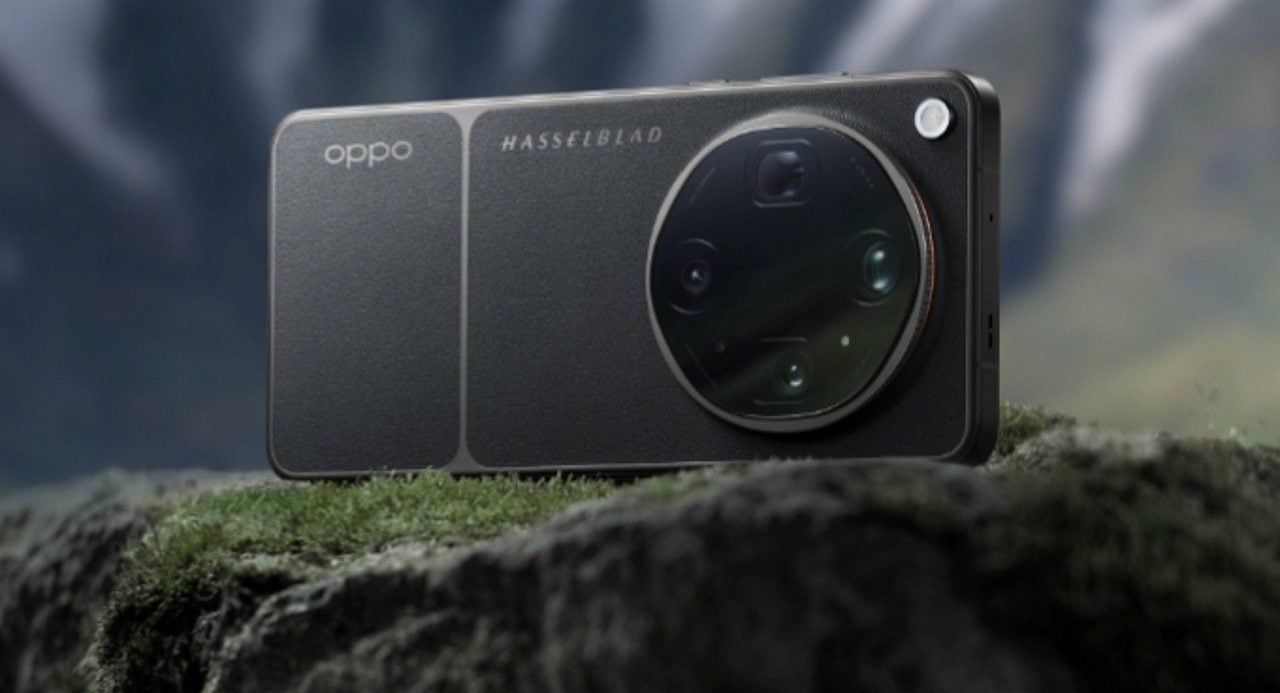
The global mobile device market welcomes a new competitor focused on extreme physical specifications. Chinese manufacturer Oppo presents the Find X9 Ultra model. The device goes against the current industry trend of prioritizing only artificial intelligence and software refinement. The strategy bets on the return of heavy hardware for photography. The visual and technical impact of the launch moves the technology sector.
The equipment promises to redefine the limits of image capture in a pocket format. The cell phone’s architecture combines very high-density lenses with real optical approximation capabilities. The move puts the brand in direct confrontation with the premium lines of Samsung and Apple. Competitors have adopted more conservative stances regarding optical components in recent years. The giants’ recent focus was almost entirely on post-click digital processing.

New Implementação with two sensors with maximum resolution
The device’s main innovation lies in the simultaneous use of two main 200-megapixel components. Most companies in the sector reserve this extreme density only for the smartphone’s primary lens. The Asian manufacturer breaks this pattern by building the same capability into the short-range telephoto camera. The engineering decision transforms the capture of details. Cell phones now see the world with unprecedented clarity in the current market.
Essa technical choice allows registration of complex textures during three-fold approaches. Sharpness tends to drop dramatically on smaller sensors under these usage conditions. The new structure attempts to eliminate this chronic problem definitively. The massive volume of information guarantees subsequent cropping of the image without noticeable visual loss. The photographer gains complete freedom when editing the final file.
The development of the optical system involved direct collaboration with Hasselblad. The traditional Swedish brand of professional equipment helped with color calibration and lens design. The long-term partnership has resulted in a robust and highly functional rear module. The physical arrangement requires considerable space on the back of the cell phone. The circular design accommodates the prisms necessary for the long-range parts to function properly.
Tail module Configuração and true approach return
The photographic set is made up of four distinct and complementary capture units. The device’s industrial aesthetic embraces the exaggerated size of the cameras as a symbol of processing power. The thickness of the protective glass reflects the complexity of the internal components housed in the chassis. The system delivers the following technical specifications to users:
- Lente main sensor with 200 megapixels designed for maximum light absorption.
- Câmera 200 megapixel telephoto dedicated to portraits with three times optical zoom.
- 50 megapixel periscopic Unidade capable of providing ten times true optical approximation.
- 50-megapixel ultrawide Lente aimed at landscapes and wide-angle photography.
The launch marks the return of a specification highly requested by image professionals and event covers. The ten-fold optical zoom had disappeared from global catalogs since the end of 2023. The industry standardized the replacement of these parts with five-fold lenses. Brands used digital cuts on sensors to simulate greater ranges. The change generated severe criticism among pure photography enthusiasts.
Vantagens Physics on Algorithmic Simulation
Maintaining a lens dedicated exclusively to extreme approximation delivers superior results in color preservation. The Find X9 Ultra records distant objects without the artificial appearance generated by interpolation algorithms. Light travels through a complex system of internal mirrors before reaching the sensor. The fidelity of the captured scene remains intact. The physical process outperforms digital simulation in any lighting scenario.
Essa versatility serves consumers who avoid image degradation at sporting events or music shows. The fluid transition between the four lenses provides a wide, detailed field of view. The user frames complex scenes without having to physically move around the environment. The tool brings the cell phone experience closer to using a professional camera with interchangeable lenses. Manual control over exposure appeals to discerning content creators.
Exigência computational and impact on video recording
Handling files generated by two giant sensors requires massive and uninterrupted computing capacity. The smartphone uses cutting-edge processors to avoid bottlenecks during sequential photo capture. The click occurs instantly. Shutter lag disappears completely. Write speed to internal memory has been significantly increased to support heavy data flow.
The agility of the system transforms the device into an agile tool for everyday work. Video recording also receives substantial improvements with the new heavy hardware configuration. The device applies advanced optical stabilization to the zoom lenses. The natural tremors of the user’s hands are nullified during distant filming. The end result features cinematic-level fluidity without the use of tripods.
Commercial Posicionamento in the premium device segment
The larger physical size of the sensors facilitates the natural entry of light into the equipment. Esse factor improves the quality of images recorded indoors or at night. Digital noise is drastically reduced thanks to the greater absorption of photons by the lenses. Dependence on LED flash decreases considerably in low light situations. The device can illuminate dark scenes only with the appropriate exposure time.
Building such a complex photographic system increases the device’s manufacturing costs. The inclusion of multiple high-capacity sensors directly reflects the final value of the product on the shelves. The brand targets the cell phone at a specific niche that seeks the maximum visual fidelity available. Physical innovation is once again the center of attention in the telephone market. The high investment reflects the technological durability of the photographic set assembled by the company.



