Anvisa suspends clobutinol in syrups due to risk of serious cardiac arrhythmia By Carolina Costa
3 min read
 |
Agência Nacional of Vigilância Sanitária (Anvisa) suspended this Monday the sale of medicines that contain clobutinol, a substance widely used in cough syrups. The decision was published in Diário Oficial of União and is now in force. Segundo the agency, risks associated with the component outweigh its benefits, particularly the risk of serious cardiac arrhythmia. Gerência of Farmacovigilância of Anvisa concluded that “the situation is serious enough to warrant suspension.”
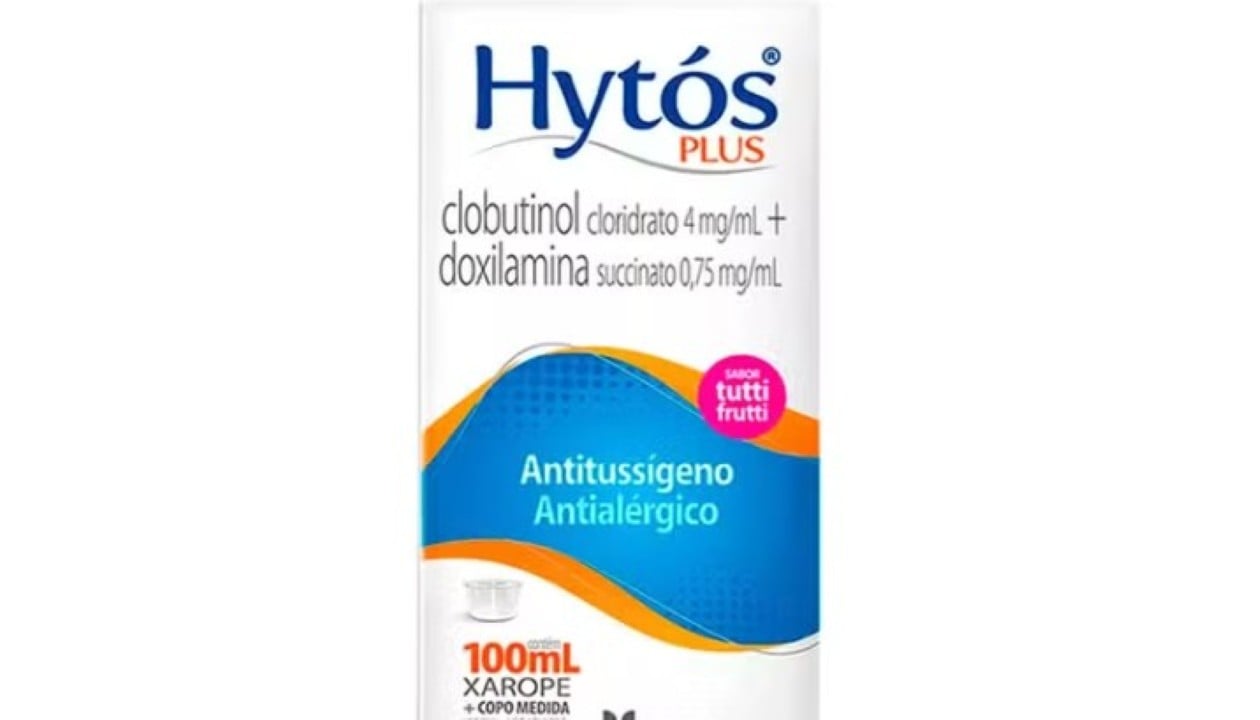
Clobutinol is a dry cough suppressant that has been marketed for over 60 years. Generic Medicações and brand names like Hytos Plus are still available, even after international bans. The measure comes after studies demonstrated that the substance prolongs the QT interval of the heartbeat beyond normal.
Histórico of international restrictions
Clobutinol is not a new substance on the market. Desde 1961, medications containing clobutinol hydrochloride were prescribed to treat a non-productive irritative cough, one that does not eliminate phlegm or mucus. Durante remained available for decades without further questioning. The situation changed when international agencies identified security warning signs. Agência Europeia of Medicamentos (EMA) had already banned the drug in 2007. The Boehringer Ingelheim laboratory, manufacturer of Silomat, withdrew its syrup from the European market that same year after initial studies on cardiac risks.
No Brasil, however, the substance continued to be sold in different formulations. Genéricos and other brands remained on pharmacy shelves even with increasing international warnings. Anvisa’s decision ends this period of more than a decade in which Brasil kept the product available while other countries had withdrawn it.
What causes cardiac arrhythmia
The main side effect of clobutinol is related to prolongation of the QT interval, a specific sequence of the cardiac cycle. Quando is abnormally prolonged, this interval compromises the heart’s natural rhythm. The phenomenon is known in the medical literature as “QT prolongation” and is directly associated with fainting and dangerous changes in heart rhythm.
Cardiac arrhythmias occur when the heartbeat becomes faster (tachycardia) or slower (bradycardia) than normal. The main symptoms include:
- Generalized Fraqueza
- Tonturas and vertigo
- Excessive Sudorese
- Desmaios
- Confusão mental
- Falta air
- Sensação weight on chest
- Mal-general living
An important aspect is that not all arrhythmias present visible symptoms. Muitos patients develop changes in heart rhythm without noticing any warning signs. Esse asymptomatic conditions make the use of substances such as clobutinol even more dangerous, as the person can suffer serious complications without being aware of the problem. Quando If not diagnosed and treated correctly, cardiac arrhythmias can evolve into potentially fatal conditions.
Medicamentos affected by suspension
The suspension covers all syrups and medications that contain clobutinol in their formula. Isso includes both generic medicines and those sold under registered trade names. Hytos Plus is an example of a commercial brand that was still available in Brazilian pharmacies. Genéricos from different laboratories will also be affected by the measure.
Pacientes who use these medications should discontinue use and consult a doctor to identify safe alternatives. Existem other cough suppressants available on the market that do not present the same cardiac risks. Anvisa recommends that healthcare professionals advise patients to seek other therapeutic options.
Contexto of regulatory decision
The Brazilian suspension follows a global trend of greater rigor in assessing the risks of medicines. Agências Regulatory agencies around the world have been reviewing old drugs and establishing new safety standards. Clobutinol is an exemplary case of this change in attitude. The component had been on the market for decades without much questioning, but when robust evidence of cardiac risk emerged, it was necessary to act.
Anvisa’s decision reflects the current priority of regulatory agencies: placing patient safety above the continuity of traditional medicines. Mesmo although clobutinol was effective in suppressing cough, the risk of serious arrhythmia justifies its withdrawal. The resolution published on Diário Oficial confirms this understanding and establishes that the suspension is immediate and mandatory for all distributors and pharmacies.