Pokémon GO marks defibrillator locations as PokéStops in Japan

Starting May 1, 2026, locations where automated external defibrillators (AEDs) are located will appear as PokéStops in Pokémon GO. The announcement integrates an unprecedented strategy for the game to expand its role beyond pure entertainment, connecting the players’ experience with public emergency infrastructure. The initiative will begin in Tóquio and will gradually extend throughout Japão.
The project represents a significant turnaround in Pokémon GO partnerships, which historically focused on attracting customers to businesses and restaurants. Desta instead, the collaboration involves Japão’s Fundação AED and seeks to utilize the game’s connection to the real world to save lives. Special PokéStops will display images of Pokémon Parmot, a creature capable of reviving other Pokémon — a symbolic choice for a vital safety initiative.
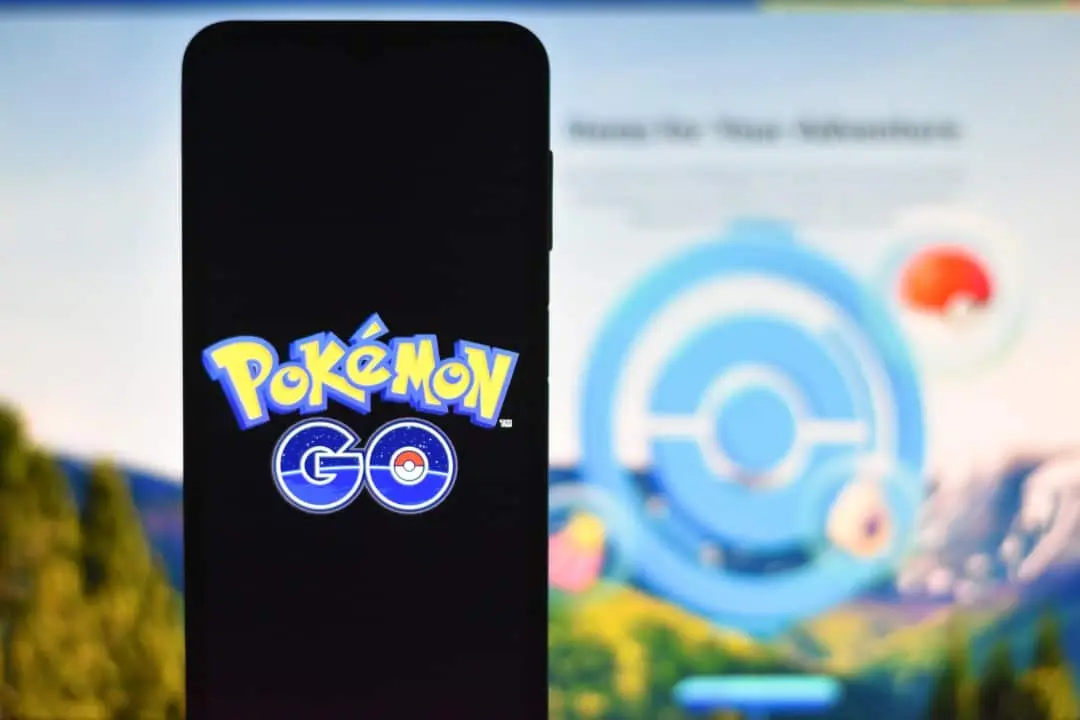
Expansão territorial and official schedule
The launch schedule will follow two phases. The first stage, starting in May, will equip approximately 1,000 AED locations in Tóquio with the new PokéStops. Até mid-July, coverage should reach around 13,000 defibrillator installations spread across the Japanese country. Cada waypoint will display a special photo disc with Parmot’s illustration for immediate visual identification.
Mudança strategic in game function
Nos Ten years since its launch, Pokémon GO has accumulated over 1 billion global downloads. Previous partnerships focused exclusively on commercial models — campaigns with convenience chains, restaurants and brands that resulted in increased sales. Esta collaboration marks the game’s first major move toward collective public interest:
- Localização of AEDs in case of cardiac emergency
- Memorização natural security critical points
- Acesso immediate rescue infrastructure via gameplay
- Preparo players’ involuntary response to emergency medical situations
Contexto and practical concerns
Pokémon GO has faced social criticism throughout its existence. Problemas such as distracted driving, urban congestion and noise resulted from player crowds. With the new initiative, concerns have emerged about the potential for crowding at AED sites during real medical emergencies, which would require quick and unimpeded access.
Especialistas recognize that the risk exists, but argue that the benefit of increasing the population’s knowledge about the location of defibrillators outweighs short-term concerns. The ability for players to naturally identify these critical points through gameplay represents a large-scale educational gain.
Parmot as redemption token
The choice of Pokémon Parmot is not random. Sua special ability “Last Suspiro” revives a fainted Pokémon, restoring half of its hit points. The metaphor is straightforward: the automatic external defibrillator also brings someone back from the brink of death, making Parmot the perfect representative of the life-saving mission that underpins this partnership.
Leia Também

Three days after earthquake, rescue teams find 11-year-old boy under rubble in Venezuela

Dispute in Austria: Russell takes pole position in the 2026 Formula 1 GP; find out where to watch in the USA and 7 other countries
Complete guide to external batteries in 2026 with affordable options and high-performance models
Pokémon is known among fans as a medicinal creature, and its choice visually communicates the public function of AEDs without the need for additional textual explanation. Jogadores that interact with these special PokéStops absorb — albeit unconsciously — the association between Pokémon and rescuing lives.
Transição Business Model for Social Responsibility
Essa change reflects an evolution in expectations about global hit games. Pokémon GO transcends its original role as a monetized entertainment app and demonstrates a willingness to serve as a public utility tool. Japão’s partnership with Fundação AED institutionalizes this new role, creating a precedent for future collaborations that prioritize community safety.
Não is just disguised branding or advertising gamification. It is an experiment in how massive digital ecosystems can serve larger purposes by utilizing their ability to influence people’s behavior and movement for ends that transcend immediate profitability.
Perspectivas future
The success of this initiative at Japão could pave the way for similar international expansions. Outros countries with consolidated AED networks could adopt an equivalent model, transforming Pokémon GO into a global emergency infrastructure map.
The window of opportunity to save lives is microscopic in cardiac arrest situations — every minute counts. If the familiarization generated by this game prevents even a few cases of “missed opportunities to save lives”, as indicated by Japão’s own Fundação AED, the experiment will have justified its existence. The convergence between massive digital entertainment and public responsibility demonstrated here offers a model for how consumer technology can serve society without abandoning its value as pure entertainment.