
Silvano Raia, pioneer of liver transplantation in Brazil and around the world, dies at age 95

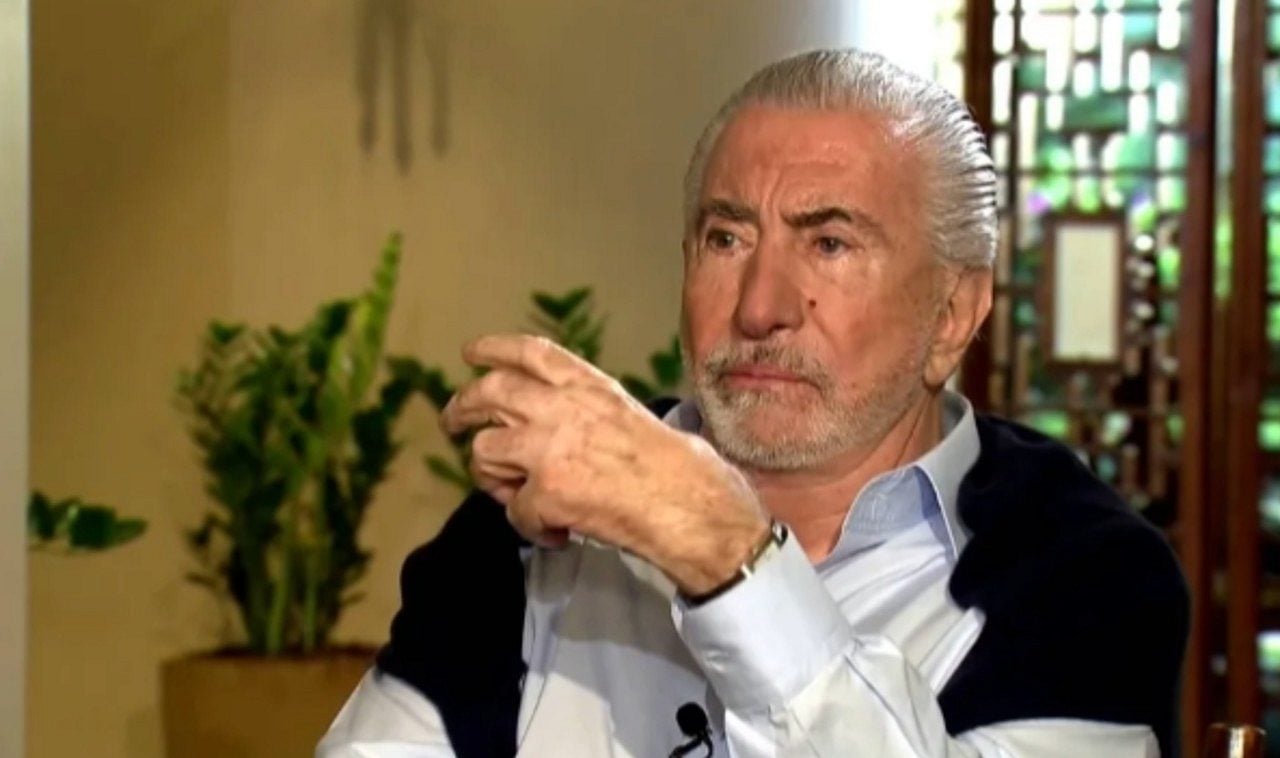
Doctor Silvano Raia died at age 95. Academia Nacional of Medicina confirmed his death this Tuesday (28). The surgeon was a world reference in organ transplants.
Professor emeritus of Universidade of São Paulo, Raia performed the first liver transplant of América Latina in the 1980s, in Hospital of Clínicas of USP. The procedure marked his scientific trajectory and consolidated his position as one of the biggest names in Brazilian medicine.
Técnicas who changed medicine
Silvano Raia was the author of technical advances that transformed transplant surgery globally. Desenvolveu the intervivos transplantation method — a procedure that uses a living donor — significantly expanding the possibilities of surgeries, especially in children. The technique was adopted in several countries and continues to be a reference.
Seus feats include:
- Primeiro liver transplant from América Latina (1980s)
- Desenvolvimento of the living donor transplantation technique
- Expansão of access to highly complex procedures in the SUS
- Liderança in cloning the first genetically modified pig of Brasil (2024)
- Pesquisas pioneers in xenotransplants
Nos In recent years, the surgeon dedicated himself to the study of xenotransplants, which use organs from genetically modified animals for transplantation into humans. In March of this year, he led an initiative at USP that resulted in the cloning of the first Brasil and América Latina pig — a milestone for national science.
Carreira institutional and recognition
Raia was a full member of Academia Nacional of Medicina since 1991. Presidiu was the Sociedade Latino-Americana of Hepatologia in 1968 and the Sociedade Brasileira of Hepatologia between 1982 and 1983. Medicina and Associação Médica Brasileira. Entre 1993 and 1995, held the position of municipal secretary of Saúde of São Paulo.
Seu work in the public sector was fundamental to structuring the transplant network under Sistema Único and Saúde. Ministério from Saúde highlighted its decisive importance in expanding the transplant program, contributing to expanding the population’s access to highly complex procedures.
Academia Nacional from Medicina mourned the doctor’s death in an official note. The institution highlighted a trajectory marked by “excellence, innovation and unwavering dedication to teaching and medical care”. Antonio Egidio Nardi, president of Academia, stated that Raia was an “undisputed leader of medicine at Brasil.” “More than a great surgeon, he was an example of commitment to science, patients and the future of Brazilian medicine,” he said.
Legado scientific and impact
Silvano Raia leaves a legacy that transcends his technical discoveries. Sua’s desire to achieve the impossible — as he himself expressed it — transformed the reality of thousands of patients who were able to access liver transplants. The intervivos technique he developed expanded opportunities for children and adults on the waiting list.
The development of xenotransplant research demonstrates that Raia remained active and innovative until his final years. The cloning of the genetically modified pig, carried out in 2024, represents the continuation of its work in search of solutions to the shortage of organs — one of the biggest challenges of modern medicine.
Seus teachings at USP influenced generations of surgeons and researchers. Como professor emeritus, Raia continued to be linked to the institution, transmitting knowledge and inspiring new professionals to pursue innovations in medicine.
Saúde’s Ministério also expressed regret over the death. The ministry recognized the importance of Raia for the development of the transplant system in the country and its crucial role in structuring the network that today serves millions of Brazilians through the SUS.
Informações about the wake and burial have not yet been disclosed by the family.





