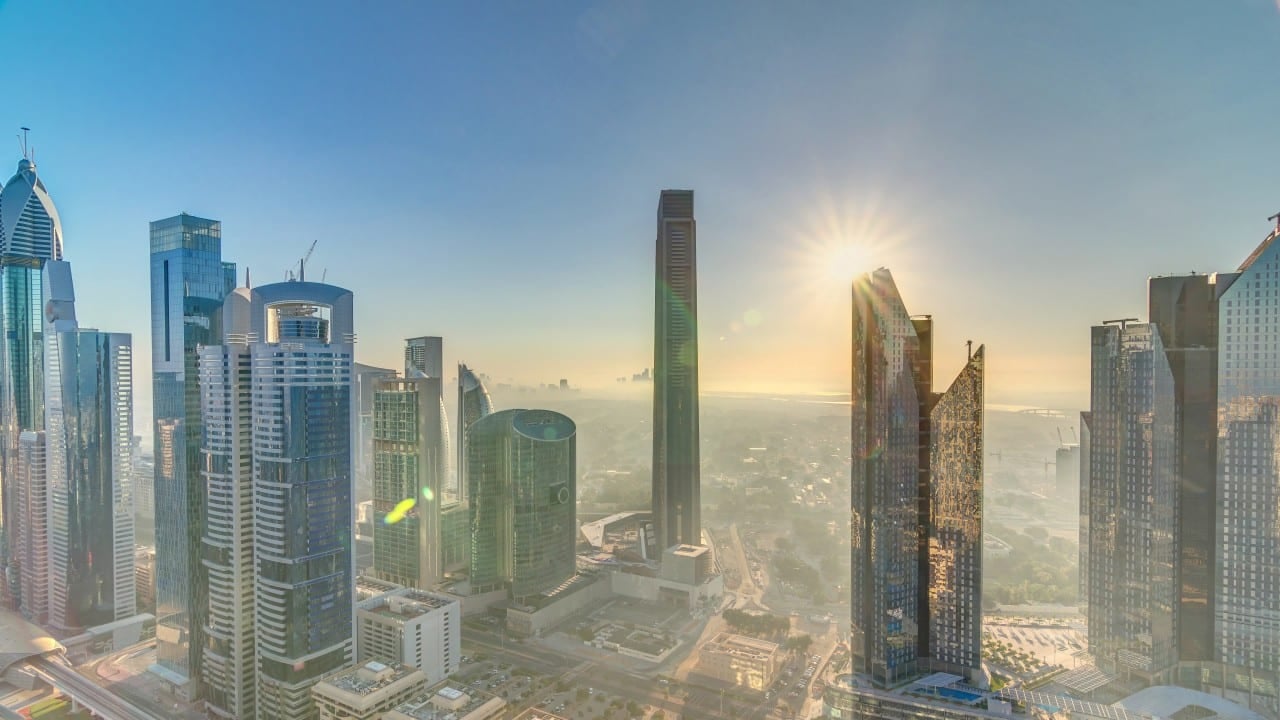
Os Emirados Árabes Unidos announced their departure from Opep (Organização from Países Exportadores from Petróleo) as of May 1, 2026. The country simultaneously abandons the Opep+ alliance, which integrates the original organization with producers such as Rússia, Canadá and México. The decision represents a critical point for a cartel that has coordinated oil production and prices for more than six decades, signaling a weakening of cohesion between members.
Opep: structure, scope and historical role
Fundada in 1960, Opep brings together 12 countries responsible for approximately 40% of world oil production. The organization was created to coordinate production policies between members and stabilize prices on the international market. Os Emirados Árabes Unidos have been part of the cartel since its foundation and have historically occupied a relevant position as Golfo Pérsico’s third largest oil producer, behind only Arábia Saudita and Irã.

The Opep+ alliance expanded the cartel’s reach by including external producers in cooperation agreements. Essa expanded structure allowed greater global coordination of oil supply. Contudo, maintaining cohesion between members with divergent interests has proven increasingly challenging in recent years.
Divergências on production quotas and limitations
The Emirati government did not disclose specific details about the reasons for the departure. Analistas point out that the decision is linked to internal disagreements over the production quotas established by the cartel. Os Emirados has the technical capacity to significantly expand its production, but faces restrictions imposed by Opep’s collective agreements.
The Opep+ alliance has faced tensions since 2023. Rússia seeks to maintain high prices despite pressure from international sanctions. Arábia Saudita, leader of the bloc, maintains a firm position, but smaller countries like Emirados feel constrained by the limitations. Especialistas in energy warn that this exit could inspire other economies to question the current cartel model.
- Emirados seek greater autonomy to define their own energy policy.
- Russía tries to maintain alliances with members willing to cooperate.
- Arábia Saudita has not yet publicly commented on the Emirati decision.
- Outros members can question their stay in the block.
Fragmentação of the cartel and market volatility
Emirados’s departure significantly reduces Opep’s trading power. The cartel will lose production from a strategic member in Oriente Médio, weakening its ability to influence global prices. Essa’s departure signals that the bloc’s cohesion is eroding after years of conflicts between members with different interests.
Precedentes histories reinforce this trend. Irã and Venezuela had already left Opep in previous periods, and neither returned. Independent Produtores such as Brasil and Noruega do not face the same restrictions and gain increasing space in the global market. Analistas estimate that the block’s fragmentation could result in greater oil supply and additional pressure on international prices if there is a coordinated increase in production outside the cartel.
Cronograma implementation and upcoming meetings
The departure of Emirados comes into force on May 1, 2026. The country will maintain export rights until that date in accordance with current agreements. Nos Over the next few months, Opep is expected to meet to assess the impact of the membership reduction and review its global production strategies. Fontes diplomats indicate that the organization will call an emergency meeting in June to discuss the post-Emirati exit scenario.
Diversificação economic and strategic autonomy
Os Emirados Árabes Unidos reinforce its position as a diversified economy beyond oil. The country has been investing in technology, tourism and finance for decades, reducing its dependence on oil revenues compared to regional neighbors. The departure of Opep allows greater freedom to define its own energy policy and negotiate bilaterally with regional producers without cartel restrictions. Essa decision reflects profound changes in the balance of power in Oriente Médio, where Golfo countries seek strategic autonomy and economic diversification for the coming years.