Functional exercises guarantee autonomy in old age and prevent losses after the age of 30
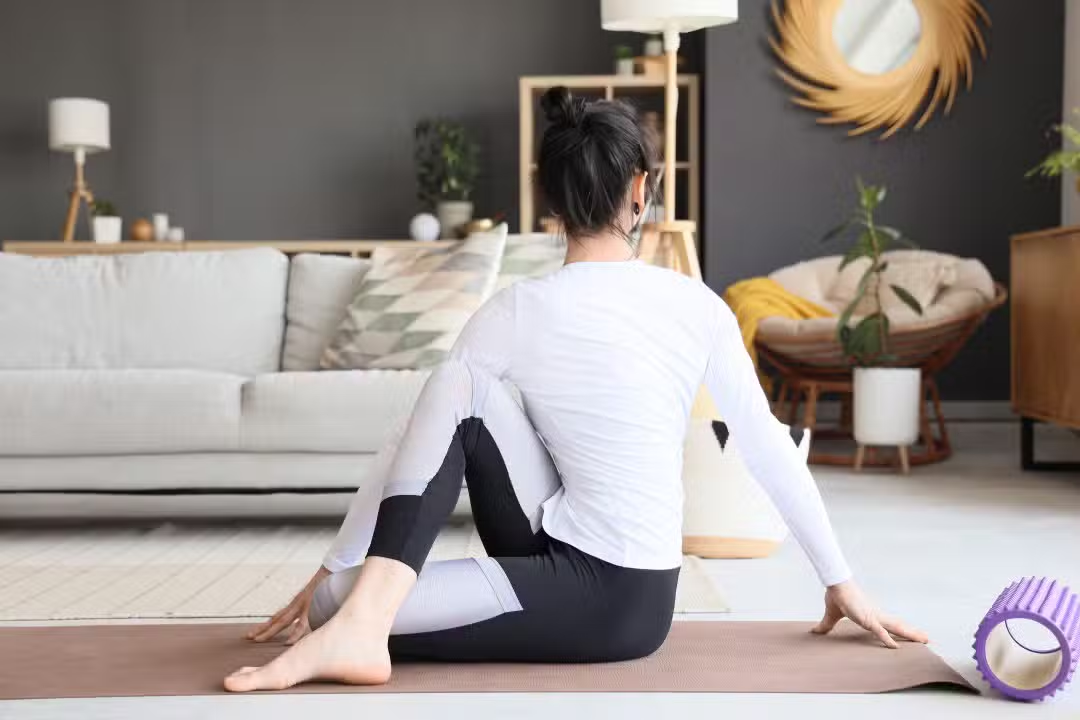
Functional capacity defines whether a person will maintain independence over the years or need help with basic tasks. Quem trains today with a focus on this ability, preparing the body for the future.
Especialistas point out that the loss of strength and muscle mass accelerates after the age of 30. Sem adequate stimulus, the natural process compromises balance, strength to lift and stability to walk. Functional training works exactly on these aspects and can be done at home with few resources.
Functional Capacidade goes beyond the aesthetics of the current body
Functional capacity brings together strength, balance, mobility and coordination necessary for everyday activities. Levantar from a chair, climbing stairs, carrying bags and maintaining balance when walking depend on these elements.
Muitos adults only focus on physical appearance in training. Essa choice leaves aside preparation for aging. From the age of 30, sarcopenia begins to reduce muscle mass by around 3% to 5% per decade. The pace increases after age 50 and 60. Quem does not stimulate the muscles and progressively loses functionality.
Pesquisas show that exercises that imitate everyday movements bring direct gains. Eles strengthens the muscle groups used for sitting, standing and balancing. The result appears in the reduction of the risk of falls, the main cause of loss of autonomy among older people.
- Agachamento with sofa support
- Flexão arm on the wall
- Elevação heel for balance
- Marcha in place with knee raise
- Alongamento hips and legs
Esses movements appear in recommendations from physical education professionals for maintaining independence.
Perda muscle speeds up without regular training
The body reaches peak muscle strength around age 30. Depois In addition, the reduction happens gradually. Sem activity against resistance, loss can reach 1% to 2% per year after age 50.
Sarcopenia affects not only strength, but also speed of movement and balance. Quedas become more frequent and severe. Fraturas of the hip, for example, leads to long hospitalizations and permanent reduction in mobility in many cases.
Functional Treino acts as prevention. Ele stimulates proprioception, that is, awareness of the body in space. Simple Exercícios activate receptors that improve static and dynamic muscle control. The gain goes to the efficiency of daily movements.
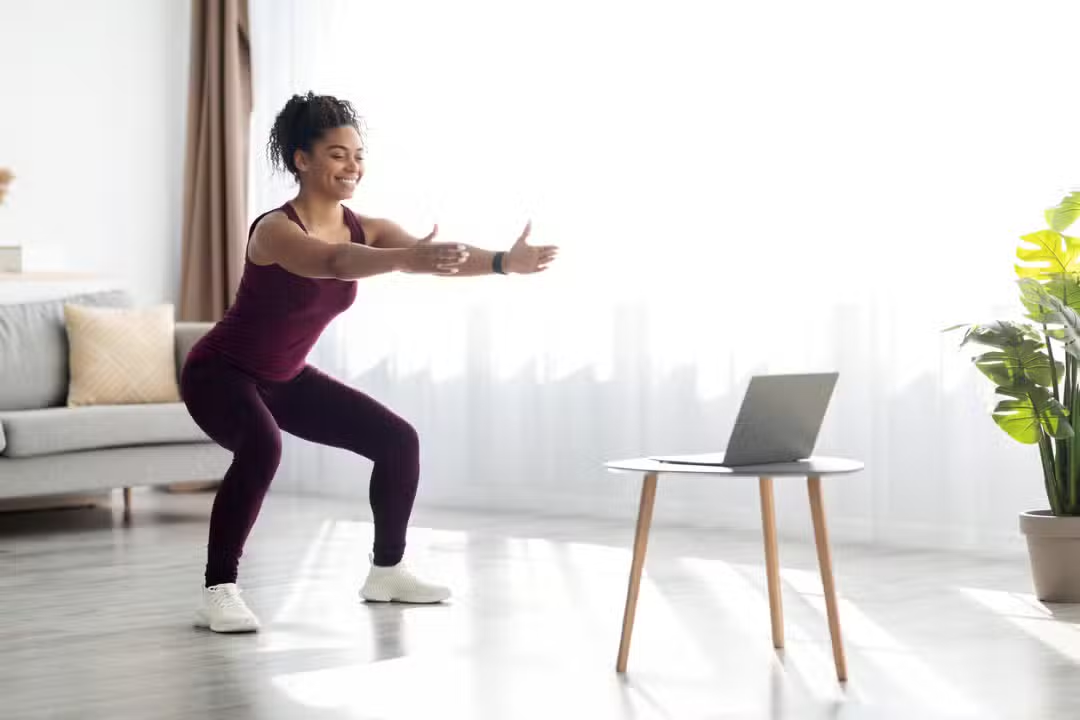
Agachamento with sofa serves as a base for sequence at home
The adapted squat with support from the sofa appears as one of the most recommended exercises. The person faces the sofa, goes down as if they were going to sit down and goes up again. The movement strengthens the quadriceps, glutes and core.
Profissionais recommend three sets of 8 to 12 repetitions. The sofa offers security for those who do not yet have full strength. Over time, the person reduces support and increases the depth of the squat.



Outros movements complement the training. Flexão on the wall works chest, shoulders and triceps. Elevação heel lift strengthens calves and improves balance. Marcha in place activates legs and coordination. Alongamentos endings maintain range of motion.
The entire sequence lasts about 15 to 20 minutes. Pode be done three times a week. Quem has normal health conditions and can perform without extra equipment.
Benefícios go for balance and fall prevention
Trainable Equilíbrio reduces the risk of accidents. Exercícios unilateral or unstable support, such as one-foot elevation, improves stability. Regular practice helps with posture and confidence for simple tasks.
Estudos indicate that active elderly people maintain better performance in functionality tests. Eles can climb stairs, carry objects and walk longer distances without excessive fatigue. The quality of life increases because dependence decreases.
Médicos and physical educators reinforce the importance of starting early. Training doesn’t have to be intense. Consistência and correct technique bring the best results.
Como include training in your daily routine
Escolha fixed times to avoid forgetting. Manhã or late afternoon works well for most. Comece slowly if the sedentary lifestyle is old. Aumente reps or sets as your body adapts.
Consulte see a doctor before starting, especially with a history of joint or heart problems. A physical education professional can adjust movements for individual conditions.
Practicing at home eliminates barriers such as travel and cost. The sofa, the wall and your own body weight are enough for most of the exercises.
Focusing on functional capacity changes the perspective of training. Instead of just immediate aesthetics, the goal becomes freedom of movement in the following years. Quem adopts this approach and maintains autonomy for longer.
See Also em Latest News (EN)

Final Fantasy VII Remake part 3 promises to redefine the scale of the series
01/05/2026
Agent 007 First Light promises to be the best spy game in gaming
01/05/2026
Free patch transforms Adventure of Samsara’s battle system on the Nintendo console
01/05/2026
Nintendo plans to release the full remake of Zelda Ocarina of Time for the Switch 2 console in 2026
01/05/2026
Untouched Japanese classic: 1987 Toyota Supra with low mileage goes up for auction in the USA
01/05/2026
Japanese manufacturer reveals off-road quadricycle with a focus on safety for young people and adults
01/05/2026
Samsung’s new Galaxy S27 Ultra tests 5,800 mAh battery and high-efficiency OLED screen
01/05/2026
Bug on iPhone Air blocks screen after battery runs out and induction charging solves failure
01/05/2026
Five cheapest smartwatches outperform Apple Watch Series 11 on the market
01/05/2026
CD Projekt RED announces new game in the Cyberpunk franchise for upcoming release
01/05/2026
Prince William and Kate introduce Otto, the royal family’s new cocker spaniel
01/05/2026