
Leapmotor and GWM prepare six-seater SUVs for less than R$300,000 for families in Brazil


The Brazilian automotive market is undergoing a reconfiguration in the large family vehicle segment. The high cost of traditional minivans, such as the Kia Carnival, which reaches prices close to R$700,000 at dealerships, restricts consumers’ access to spacious cars. Diante In this scenario of high prices, Chinese automakers are starting an offensive with products that deliver similar concepts of livability. The new options come with more competitive prices and equipment packages aimed at interior luxury. Unreleased Modelos, like the Leapmotor C16, scheduled to debut in 2027, emerge as six-seater alternatives with projected figures below the R$300,000 range.
The upcoming Asian launches combine the robust dimensions of large sports utility vehicles with a design focused on the well-being of rear row occupants. The format guarantees greater versatility than the common retractable third row arrangement found in conventional seven-seater vehicles. The move reflects the commercial strategy of eastern manufacturers to adapt their portfolios to the profile of the Brazilian driver. The local consumer shows a growing preference for spacious cabins combined with advanced technology systems. Electrification also acts as a central pillar in this market transition.
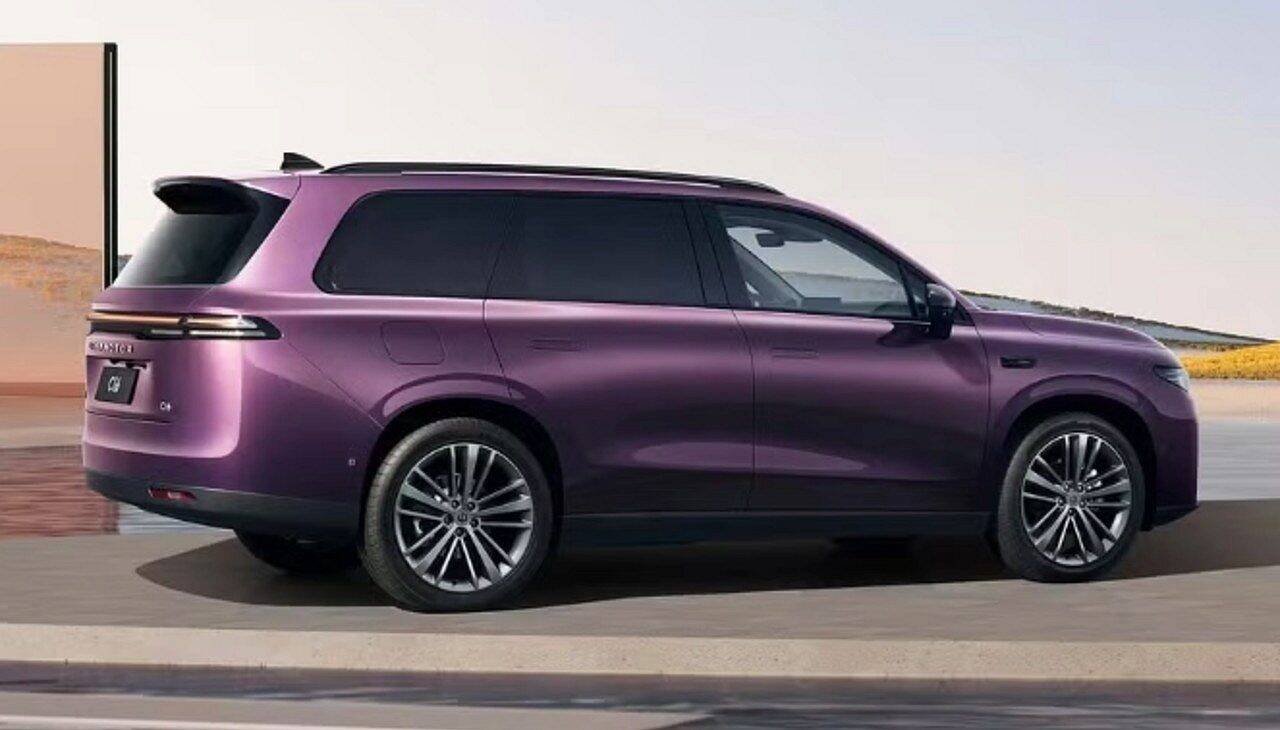
Leapmotor C16 arrives in the country with a focus on individual comfort
The management of Leapmotor officially confirmed the import of the C16 utility vehicle into the national territory in the year 2027. The vehicle functions as the elongated, six-seat variant of the C10 model, which is already part of the brand’s catalog in the country. Financial projections indicate that the car will reach stores with an aggressive price list for the segment. Values must remain below the R$300,000 barrier in both hybrid configurations and fully electric versions. The strategy aims to capture midsize SUV customers looking for a spacious upgrade.
The structure of the car has generous measurements, exceeding 4.90 meters in total length. The cabin has two individual seats in the second row, ensuring an armchair format for central passengers. The third row has a one-piece bench designed to safely accommodate two people. The physical size of the Chinese utility vehicle approaches the proportions of established premium European models, such as the Volvo XC90 and the Audi Q7. The ceiling has a higher design to facilitate access to the last seats.
- Duas engine options confirmed for the market: pure electric system with 292 horsepower and extended range hybrid package delivering 231 horsepower.
- Configuração six-seater interior prioritizes individual space and cabin acoustic insulation.
- Cronograma launch maintains the focus on financial accessibility compared to direct competitors in the luxury segment.
The automaker is also evaluating the introduction of the D19, a sports utility vehicle with even larger proportions and a superior finish. The design includes a unique 24-inch entertainment screen for rear occupants. The center console houses a refrigerator with beverage cooling and warming functions. The second row seats adopt the zero gravity concept, allowing almost total reclining. The sum of these equipment raises the standard of convenience offered in the family category.
GWM bets on the high-end segment with the Wey V9X utility
Manufacturer GWM used the Salão, Automóvel and Pequim stages to reveal the Wey V9X worldwide. The sports utility vehicle with plug-in hybrid technology impresses with its dimensions, measuring more than 5.3 meters from tip to tip. The vehicle’s engineering uses the GWM One modular platform, developed to support high-capacity batteries and powerful electric motors. The mechanical assembly allows fast acceleration. The vehicle reaches 100 km/h in just 4.4 seconds, using the combined power of the engines. The range in pure electric mode reaches 400 kilometers.
The model’s technological package incorporates state-of-the-art driver assistance systems. LiDAR sensors installed on the ceiling perform three-dimensional mapping of the road in real time. Radars and cameras power semi-autonomous driving assistants on highways and urban environments. The Wey luxury division is already operating in the Brazilian market with the sale of the 07 utility vehicle. The car costs approximately R$424,000 at local dealerships. The interior of the current vehicle already offers executive seats and highly refined materials on the dashboard.
The launch of the V9X has the potential to expand the brand’s presence at the top of the automotive pyramid if commercial acceptance of the 07 model remains on an upward trajectory. The giant utility vehicle enters into a direct collision course with the luxury SUVs imported from Europa, matching the size and list of standard equipment. The value proposition, however, follows a different commercial logic than traditional brands. The cabin design places the rear seat as the main environment of the car. The characteristic reflects a strong cultural tradition in the Chinese consumer market.
Asian rear space enhancement Cultura gains strength in Brasil
The automakers based at China have accumulated experience in developing versions with an extended wheelbase since the beginning of the expansion of their domestic market. The Asian country registered the sale of around 35 million new vehicles last year alone. Massive sales volume drives the creation of exclusive engineering solutions for passenger comfort. The local industry understands that the owner of the luxury vehicle often travels in the back seat, leaving the driving to a private driver.
Eastern automotive culture values the rear area of the cabin to the detriment of the main command post. The practical result of this preference appears in the calibration of mechanical and electronic components. The suspensions receive softer adjustments to filter asphalt imperfections with maximum efficiency. On-board entertainment systems offer individual high-resolution screens. Climate controls allow for precise temperature adjustments for each seat. Até even vehicles intended for transportation applications, such as the Didi platform, adopt this passenger-focused design philosophy.
The Brazilian market is beginning to absorb part of this Asian approach through the operations of brands such as GWM, BYD and Leapmotor. The Haval H9 and BYD Atto 8 models are already viable options in the seven-seater segment. The utilities deliver a higher level of on-board technology than that found in rivals from traditional brands positioned in the same price range. The paradigm shift forces competitors to review their equipment packages to maintain commercial attractiveness.
Expansão of hybrids and electric transforms options for large families
Manufacturers BYD and GWM command the growth rate of brands of oriental origin in the national territory. Companies structure their catalogs by combining the transition to electrified mobility with the offer of generous internal space. The strategic focus is on vehicles with plug-in hybrid engines. The technology simultaneously meets the consumer’s desire for energy efficiency in urban use and the need for extended autonomy for long trips with the family. The combustion engine acts as a safety generator for road trips.
Competitive differences appear in the details of the list of conveniences offered from the factory. Modelos equipped with massage systems integrated into the seats change the perception of comfort on long journeys. Separate air conditioning zones ensure the ideal climate for each row of seats. Screens dedicated to the rear occupants transform the cabin into a mobile living room. The sum of these technological features easily surpasses the basic level of comfort found in most conventional seven-seater vehicles available in stores.
The arrival of a new crop of Asian products throughout 2027 has the potential to intensify the competition for customers in the family segment. Large families now have real alternatives that balance the purchase price, body size and technology offering. The new market dynamics allow access to sophisticated equipment without the need to pay the exorbitant prices charged by luxury vehicles imported through traditional channels. The end consumer gains choice in a category previously dominated by few minivan options.





