
Geely’s new bet focuses on compact sports utility vehicle to compete in the national market

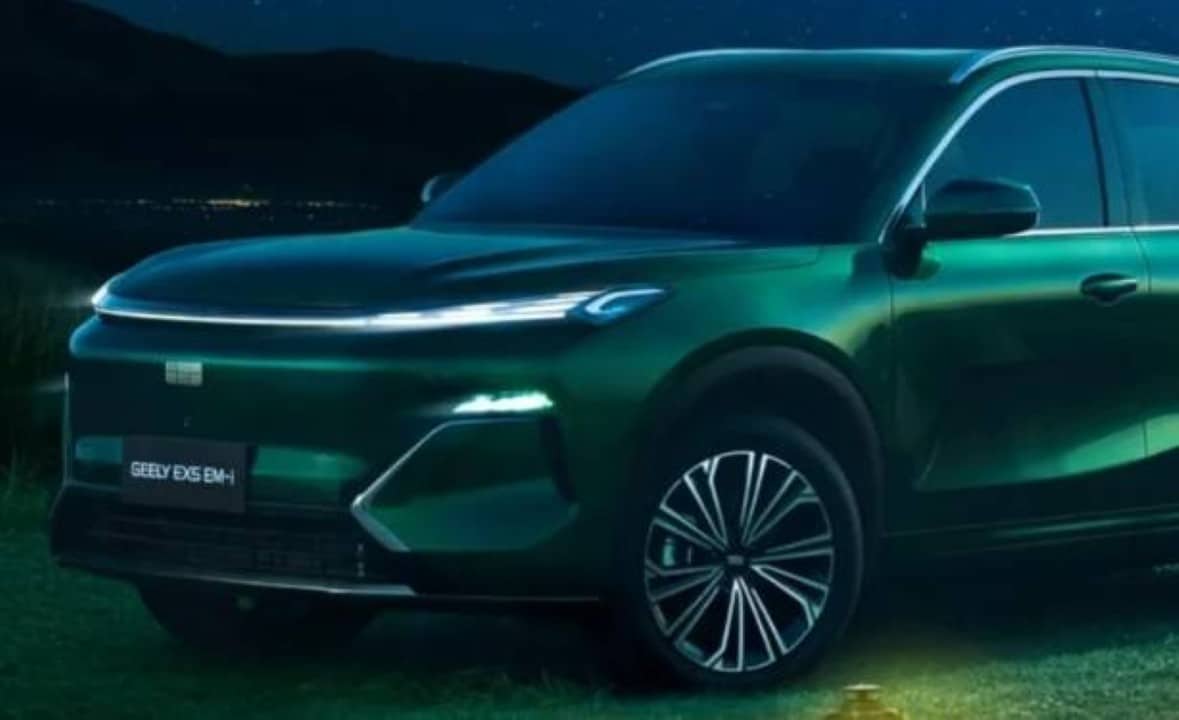
Asian manufacturer Geely officially displayed the Coolray model during a corporate event held in the city of Hangzhou. The vehicle has a turbo engine under the hood. The car’s presentation caught the immediate attention of experts in the international automotive sector, who follow the brand’s movements. The automaker seeks to expand its global participation with products aimed at the entry-level segment.
The strategic move signals a possible introduction of the car into the Brazilian market over the next few years. The company plans to diversify the portfolio offered to drivers in the country. The model appears as an alternative to traditional combustion in the midst of the energy transition. The initiative demonstrates the brand’s intention to capture a larger share of consumers looking for their first sports utility vehicle.
Commercial Estratégia focuses on competitive price and sales volume
The positioning of the car at China establishes an initial value in the range of US$ 15 thousand. The direct conversion into Brazilian currency, added to the import tax charges, projects an approximate cost of R$150 thousand. The value attracts attention. Esse financial level places the vehicle in an aggressive dispute zone at national dealerships. The pricing policy represents the manufacturer’s main tool for attracting the public.
The body design combines contemporary features with a comprehensive list of factory equipment. Offering standard items at no additional charge works as an important differentiator in the purchasing decision. Brazilian drivers value complete technological packages when closing a deal. The strategy reduces the need to purchase expensive optional packages.
Especificações mechanics aim for efficiency in daily consumption
The utility’s mechanical package features a turbocharged engine developed to deliver agility in urban traffic. Supercharging technology allows you to extract more power from smaller blocks. The format guarantees quick responses during acceleration. The manufacturer chose to keep the exact power, torque and displacement numbers confidential in this initial phase of disclosure.
The choice for this engine directly meets the current demands of buyers. The balance between performance and economy has become a decisive factor in stores. The car needs to deliver enough power for safe overtaking on highways. At the same time, consumption in the city must remain contained so as not to burden the family budget.
Atributos designed to appeal to the urban consumer
The architecture of the Chinese sports utility vehicle brings together fundamental features for everyday use in large cities. The project focused on solving common problems faced by drivers. Key highlights of the model include:
- Linhas modern exteriors that renew the visual identity of the category.
- Pacote factory technology that eliminates the purchase of extra accessories.
- Compact Tamanho ideal for maneuvering in tight garages and street spaces.
- Conjunto mechanic optimized to reduce visits to gas stations.
- Cabine planned to accommodate small families with adequate comfort.
The combination of these factors creates a versatile product for different usage profiles. The vehicle serves both the daily commute to work and weekend trips. Engineering focused on maximizing internal space without increasing the body’s external proportions. Practicality dictates the pace of the project.
The automaker’s Histórico paves the way for new launches
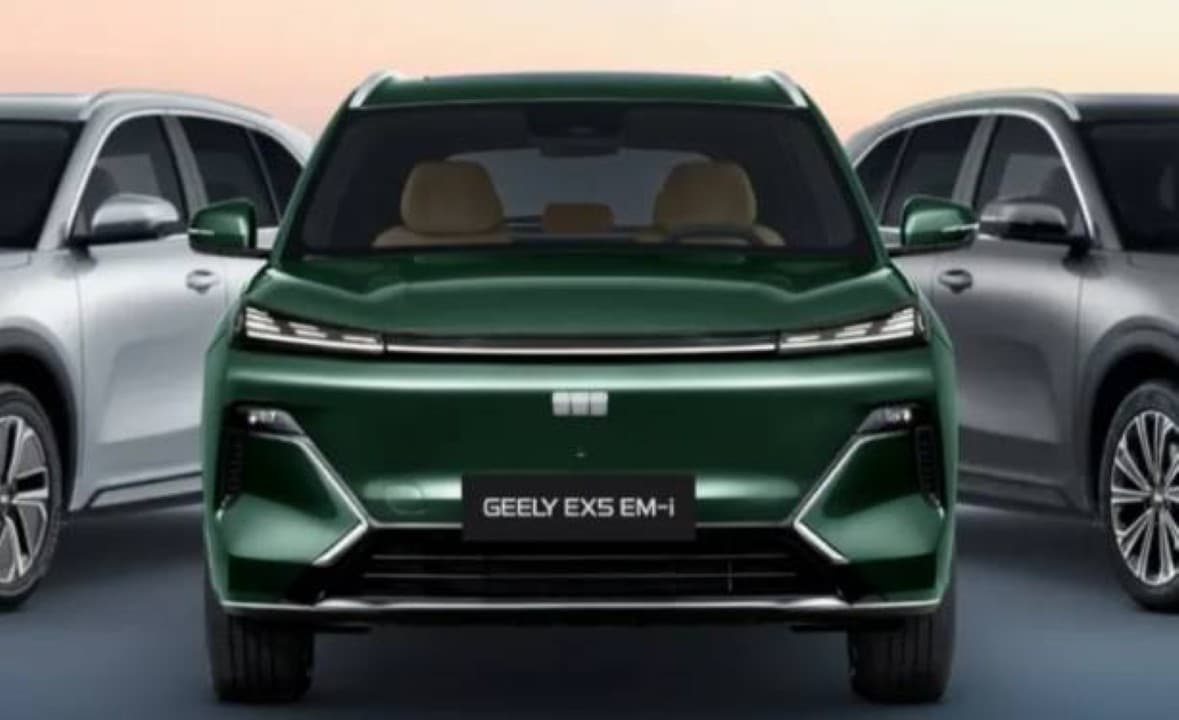
The company’s presence at Brasil has seen constant growth since the arrival of the first imported batches. The EX2 electric model opened the door by offering clean mobility at a lower cost. The EX5 variant expanded the brand’s reach among customers who demand generous trunk space. The recent launch of the EX5 EM-i introduced plug-in hybrid technology to combat fears of lack of range.
The possible introduction of the new combustion utility vehicle complements this line of action. The car eliminates the need for home chargers or public power grids. The option perfectly suits residents of remote regions where the electrical infrastructure is still in its infancy. The diversification of engines allows the company to interact with different customer profiles within the same price range.
Disputa competes against established rivals and new Asian brands
The compact sports utility vehicle segment concentrates the largest sales volume in the national market. Traditional Marcas such as Hyundai, Renault, Jeep and Volkswagen dominate monthly registrations. Veículos like Creta, Captur and Renegade define the quality standard demanded by consumers. The entry of a new Chinese competitor forces veteran automakers to review their price lists and equipment packages.
Competition is also gaining strength among Asian manufacturers installed in the country. GWM is preparing the local production of a flex hybrid model with a turbo engine to operate in the same category. BYD already positions the Sealion 07 as a strong technological alternative. The invasion of oriental products demonstrates that Brasil has become a priority target for the expansion of these corporations.
The vehicle’s unloading schedule in national territory still depends on bureaucratic procedures. The company needs to carry out test runs, adapt components for the tropical climate and obtain licenses for the Inmetro. The approval process requires time and financial investment. Especialistas from the sector project that the first units should only reach storefronts between 2025 and 2026.
The positive impact generated during the exhibition at Ásia is part of the commercial project’s feasibility reports. The automaker’s management analyzes public acceptance data before authorizing production for export. The market follows the manufacturer’s movements on the international scene. Dealers maintain the current offer while awaiting corporate guidelines.





