
German automaker launches electric compact inspired by the classic Golf with up to 231 horsepower


Volkswagen officially launched the ID.3 Neo on the European market during an event held at Alemanha in mid-April 2026. The compact electric model arrives to replace the previous generation with profound updates to the body and engine. The top-of-the-line version reaches 231 maximum horsepower. The manufacturer is betting on a nostalgic design that refers directly to the established lines of the classic Golf to attract new buyers.
The vehicle arrives at German dealerships with a starting price set at 33,995 euros. The assembly line divided the catalog into Trend, Life and Style configurations to meet different consumer profiles and budgets. The automaker projects a high sales volume by combining superior finishing, improved drivability and aesthetic references from the past. The car measures 4,265 meters in total length. Esse size positions the car in an intermediate category, filling an important gap in the compact segment.
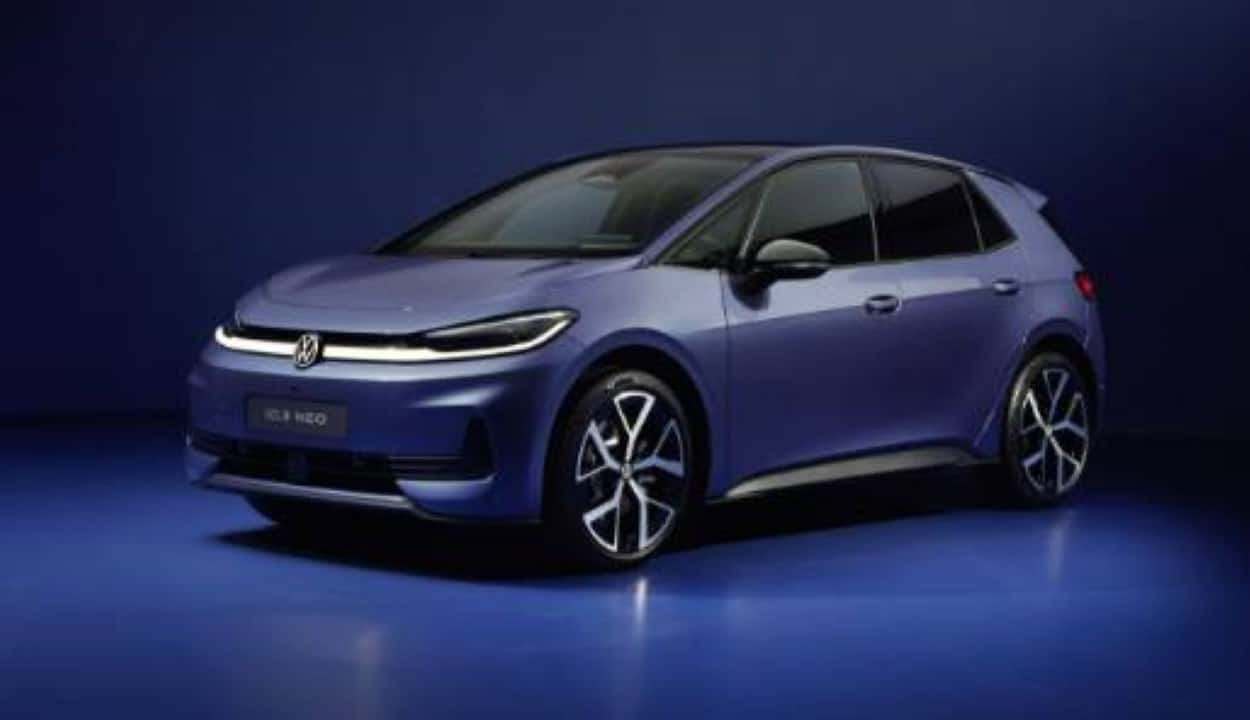
Identidade visual rescues the automaker’s historical heritage
The engineering team applied a new styling language called “Pure Positive” across the entire exterior of the car. The front features a continuous light strip that connects the headlights from end to end with extreme fluidity. The company’s central logo also receives its own LED lighting. Esse feature creates a striking and clean nighttime signature on the streets. The roof painted in the same color as the body reinforces the cohesive visual proposal of the automotive project.
A prominent rear spoiler helps to lengthen the car’s silhouette and improves the drag coefficient during travel. The model maintains a height of 1,553 millimeters in relation to the ground. Essa proportion guarantees a dynamic and sporty appearance, even housing a large battery pack in the chassis floor. The external design manages to disguise the extra volume required by the electrical architecture with well-sculpted lines.
The 10.25-inch digital instrument panel features exclusive graphics developed by the software team. The dials emulate the look of the first analog watches of the original Golf, considered the brand’s historic flagship. The interface blends the precision of contemporary digital data with the functional beauty of decades past. The objective is to please both the automaker’s purist fans and customers focused on cutting-edge technology.
Cabine abandons digital excess and regains physical commands
The interior of the vehicle has undergone the most radical transformation of this new generation of electric vehicles. The manufacturer listened to customer complaints about the previous model’s interface and decided to change the ergonomic approach drastically. The designers reintegrated physical buttons in strategic areas of the central panel and the multifunctional steering wheel. The new switches offer a clear, finger-friendly tactile click. Essa change solves the main usability problem pointed out by the owners of the old version.
The interior finishing went up a notch with the adoption of soft-touch materials and refined textures on the doors. The level of assembly approaches the standards found in vehicles from higher categories and European luxury brands. The main panel adopts horizontal lines that expand the feeling of space in the first row of seats. The ambiance exudes an atmosphere of restrained sophistication and German functionality.
The gear selector and main air conditioning controls are positioned in a highly intuitive way. The driver can operate basic climate control and media functions without having to take their eyes off the road. Essa design philosophy prioritizes road safety and practicality in daily operations. The cabin proves that it is possible to offer a highly technological environment without sacrificing ease of use with complex screens.
Mechanical Conjunto delivers efficiency and bi-directional recharging
The electric propulsion department resized the entire system to extract more autonomy and performance from the package. The catalog offers three distinct electric motor calibrations for buyers to choose from. Options start at 125 kilowatts, equivalent to 170 horsepower. The intermediate version delivers 140 kilowatts, or 190 horsepower. The most expensive and sporty model reaches 170 kilowatts, generating the aforementioned 231 horsepower.
The largest capacity battery stores up to 79 kilowatt-hours of chemical energy in its cells. The maximum homologated range reaches 630 kilometers in the rigorous European WLTP test cycle. Esse number places the hatch in a prominent position compared to direct competitors in the zero-emission segment. Energy efficiency has been improved with new thermal management software.
Outro major technological difference is the inclusion of the V2L system, an acronym in English for Veículo to Loop. The technology transforms the car into a large mobile electricity generator for external use. The user can connect camping equipment, heavy appliances and charge electric bicycles using the car’s own energy. The maximum output power reaches 3.6 kilowatts, enough to support several devices simultaneously.
Tecnologia driving and strategic dimensions for traffic
The active safety package incorporates the latest version of the German brand’s autonomous driving assistant. The “Connected Travel Assist” system uses high-resolution cameras and radars to monitor the environment around the car in real time. The software can read urban traffic lights and road signs with millimeter precision. The electronic control unit automatically adjusts the cruising speed according to the limits of the road and the local traffic flow.
The “One-Pedal Drive” feature allows you to accelerate and brake the vehicle using just the right pedal. Regenerative deceleration recovers kinetic energy and significantly increases urban autonomy. The chassis architecture was designed to optimize internal space without compromising agility on narrow roads. The project’s official measurements define the exact size of the electric hatch:
- Comprimento total set at 4,265mm.
- Largura of the 1,809 mm body.
- Altura maximum 1553mm.
- Porte is larger than the Toyota Aqua, which measures 4,080 millimeters.
- Tamanho smaller than the Toyota Corolla Sport, with its 4,375 millimeters.
Essa geometric configuration suits drivers who find entry-level compacts too cramped for everyday family use. At the same time, the car attracts those who find traditional midsize hatches too big for modern parking spaces. The controlled height makes maneuvering in commercial buildings and tight underground garages easier. The reduced turning diameter improves the vehicle’s handling on narrow streets in large European and Asian metropolises.
Commercial Estratégia focuses on global market gap
The automaker’s management has set ambitious registration targets for the European market over the next few months of 2026. The international expansion schedule foresees sending the first batches to Japão and other strategic regions soon. The practical size of the car perfectly suits the traffic requirements of countries with high population density. The union between cutting-edge technology and a design that respects the company’s history generates strong expectations in the global automotive sector.
The launch reinforces the manufacturer’s commitment to the energy transition and the total electrification of its commercial fleet. The product acts as a friendly bridge between traditional consumers and the new era of sustainable mobility. The rescue of classic elements reduces the resistance of the more conservative public towards battery-powered cars. The ID.3 Neo consolidates its position as a sophisticated alternative, delivering an efficient vehicle that preserves the visual identity built over decades.





