
Haval H7 sports utility vehicle debuts on the national market to challenge consolidated models

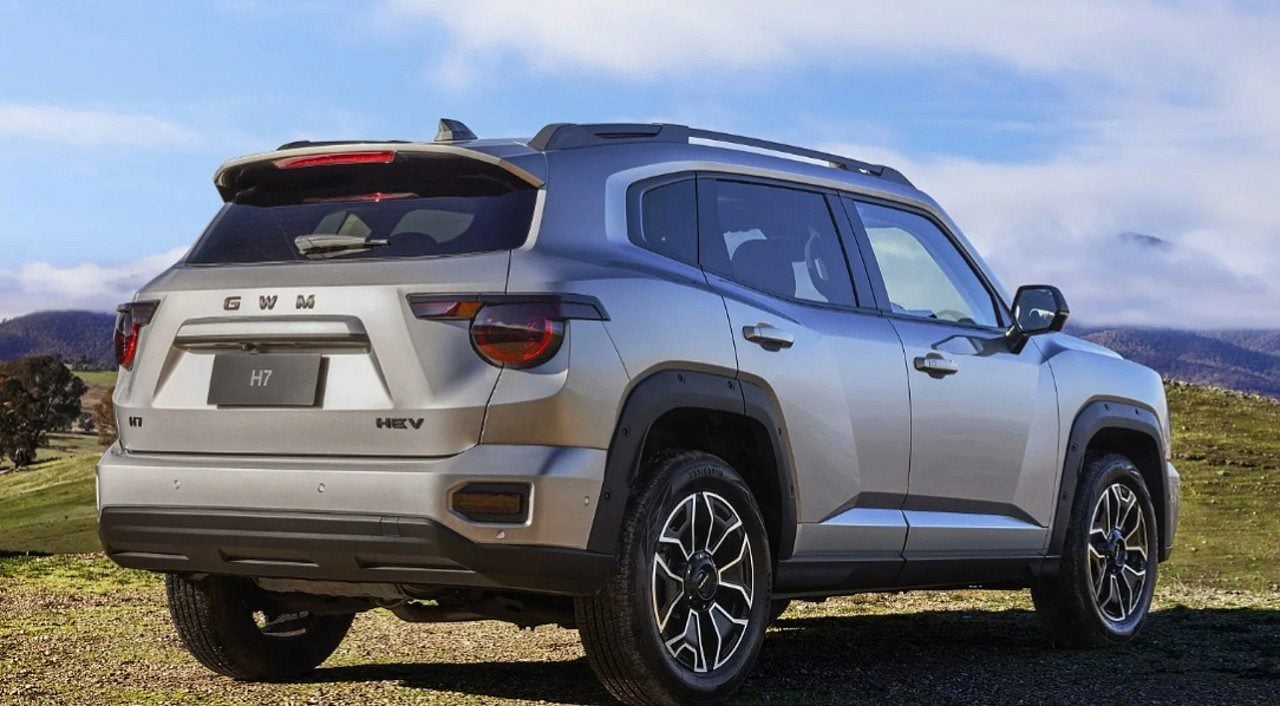
Asian automaker GWM confirmed the launch of the Haval H7 sports utility vehicle on the Brazilian market for the year 2026. The vehicle with plug-in hybrid powertrain arrives in the country with the mission of reconfiguring the dispute between medium-sized family cars. The manufacturer’s strategy points to a clear transition in commercial positioning. The focus is no longer just cost-benefit to encompass the delivery of high performance and advanced technology.
The new model arrives to directly face vehicles already established in Brazilian garages. The list of rivals includes the electrified BYD Song Plus and the traditional Toyota Corolla Cross and Jeep Compass. The movement reflects the maturation of Chinese brands in the national automotive scene. Consumers can now find options with superior technical specifications in price ranges previously dominated by Western and Japanese automakers.
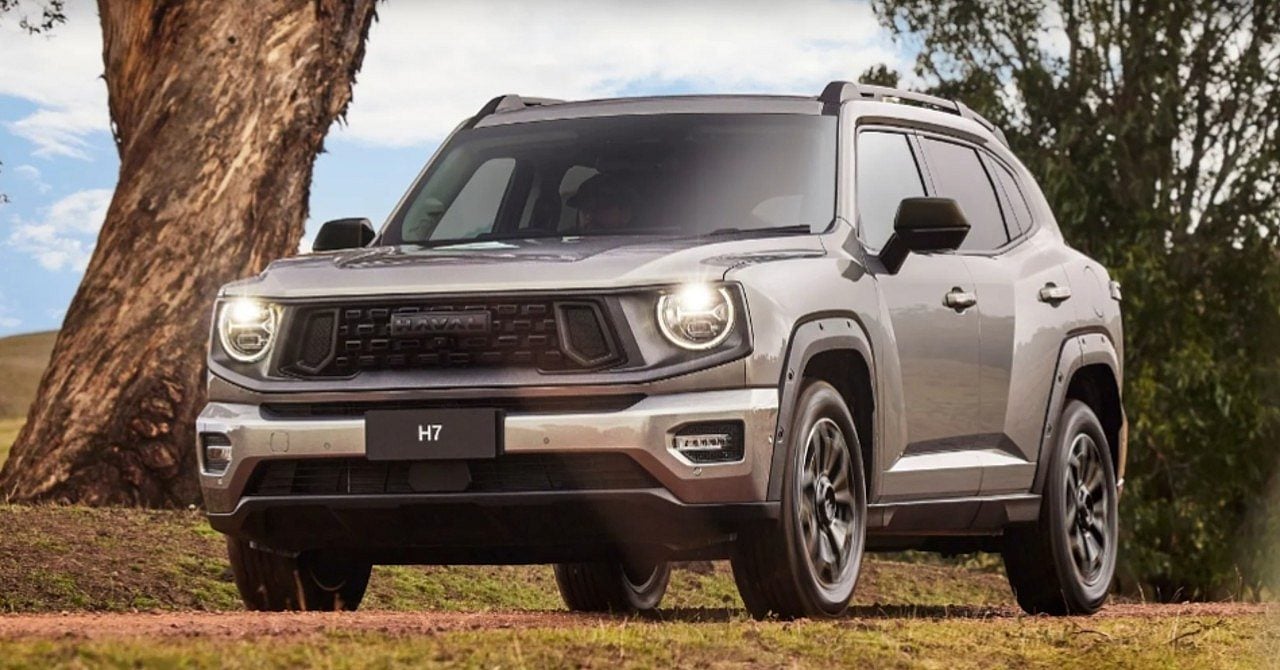
Dimensões enlarged and high-performance mechanical assembly
The physical size of the new utility vehicle draws attention at the first visual contact. The vehicle measures approximately 4.8 meters in length. The luggage compartment offers capacity for around 586 liters of useful volume. Essas measures guarantee generous internal space for families and surpass the figures of the smaller brother in the line. The market positioning suggests a sales value below the R$300,000 mark.
Motorization represents one of the main attractions of the engineering project. The plug-in hybrid system combines a 1.5-liter combustion engine with turbocharger and an electric traction unit. The total power of the set varies between 326 and 364 horsepower. Esse strength level places the launch in a position of numerical advantage against the vast majority of direct competitors available in dealerships.
Electric autonomy allows drivers to make daily journeys within cities without using fossil fuel. The combustion engine kicks in during longer road trips. Energy efficiency has become a decisive factor when purchasing. The modern consumer seeks to combine dynamic performance with the reduction of polluting gas emissions into the atmosphere.
Equipamentos autonomous driving and technology package
The vehicle’s interior was designed with a focus on digitalizing controls and occupant connectivity. The main panel houses a multimedia center with a 14.7-inch high-resolution screen. The fully digital instrument panel is 10.2 inches and displays accurate data on energy flow. The driver monitors instantaneous consumption and battery reserve in real time.
Vehicle safety received special attention from the project developers. The car’s biggest technological difference is the presence of a LiDAR sensor integrated into the body. The equipment performs three-dimensional mapping of the environment and enables advanced semi-autonomous driving features. The protection package also includes adaptive cruise control and the automatic emergency braking system.
A set of high-definition cameras generates 360-degree images to facilitate maneuvering in confined spaces. Offering these standard items increases the perception of sophistication of the final product. Traditional SUVs often charge extra for similar safety packages. The manufacturer is betting on this favorable equipment ratio to attract higher-income audiences.
Impacto direct sales of medium-sized SUVs
The arrival of a competitor with these characteristics changes the dynamics of prices and offers in automotive retail. The historical leaders of the mid-range segment feel the immediate pressure in the shop windows. Toyota Corolla Cross and Jeep Compass have built a solid customer base based on mechanical reliability and the capillarity of technical assistance networks. Volkswagen Taos also appears on this list of commercial targets.
The conflict takes on an even more heated profile in the specific niche of electrified vehicles. The BYD Song Plus leads sales among plug-in hybrids and now has a strong rival within the same industrial origin. The Jaecoo 7 is another recent model that competes for the preference of this consumer eager for innovation. Competition forces veteran brands to accelerate their fleet renewal plans.
Customers benefit from increased competitiveness in the transport sector. Automakers need to offer more attractive financing conditions and overhaul packages with fixed prices. The Brazilian sports utility vehicle market has never been so heated and diverse. The fight for leadership requires constant investment in research and development of new urban mobility solutions.
Estratégia expansion of the Asian automaker in the country
The manufacturer’s portfolio is undergoing a profound restructuring with the introduction of the new luxury model. The product line gains a clearer ladder of options for the end customer. The objective is to retain the consumer within the brand itself during the vehicle exchange process. The commercial verticalization strategy demonstrates the company’s confidence in the consumption potential of the domestic market.
- Manutenção of the H6 model as a gateway to the world of medium-duty vehicles.
- Posicionamento of the H7 as a technological showcase and status symbol for the automaker.
- Utilização of electrified motorization as the main sales argument in stores.
- Estabelecimento of a competitive price cap to steal customers from premium brands.
The gap that existed in the company’s product offering was finally filled. The long-term strategic planning foresees the consolidation of the brand among the largest sales forces in the country. The growth in the volume of registrations in recent years validates the acceptance of the products by the local public. The challenge now is to maintain the pace of expansion and ensure post-sales satisfaction.
Mudança in consumer profile and fleet electrification
The 2026 automotive scenario reflects a profound transformation in the consumption habits of the Brazilian population. The search for hybrid vehicles has gone from being a niche market to becoming a requirement of middle and upper class buyers. The cost of liquid fuels and environmental awareness are driving this technological transition at an accelerated pace in the country’s large capitals.
The public and residential charging infrastructure also shows significant improvements across the national territory. Modern condominiums now provide parking spaces prepared for refueling electric and plug-in hybrid cars. Essa logistical ease eliminates the fear of running out of energy during urban commutes. The owner takes advantage of the night period to recover the battery charge at home.
The launch of the new sports utility vehicle epitomizes this new era in the engine industry. The combination of generous interior space and clean propulsion meets the needs of a constantly evolving society. Brazilian streets receive increasingly quieter and more efficient vehicles. The electrified mobility revolution gains a new major protagonist to drive the next chapters of the automotive sector.




