
Heavy traffic in São Paulo: Rodoanel and Ayrton Senna emerge as the best alternatives today

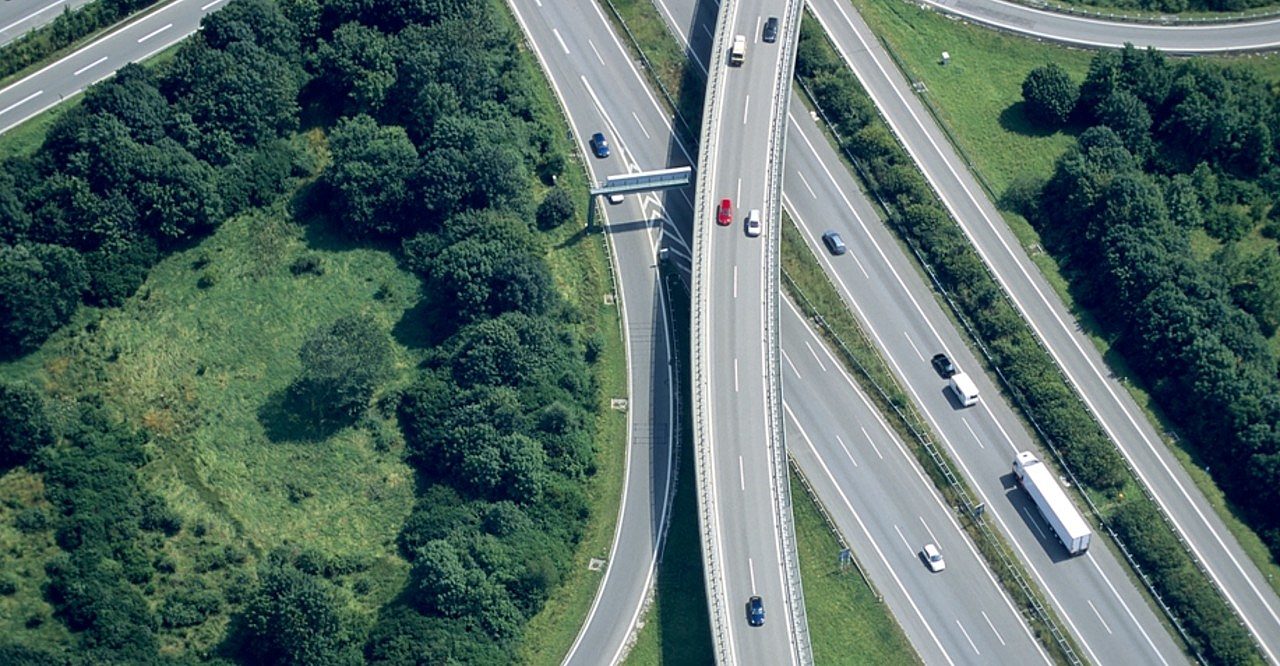
Motoristas trying to access São Paulo on Wednesday morning (April 29) face heavy traffic on several highways. The most critical situation is recorded at Rodovia Raposo Tavares, where the congestion extends for around 23 kilometers towards Capital. The excess of vehicles associated with the urban characteristics of the section made the route significantly slower than usual. Conforme data from the responsible dealership, more than 2 million vehicles are expected to circulate during the period.
Raposo Tavares leads with slowest morning
Na Rodovia Raposo Tavares, the congestion covers from kilometer 34 to 11. Esse is the most critical point on the road system this Wednesday. Traffic volume reflects both daily movement and structural characteristics of the road. The highway, despite being an important connection route, has sections with older infrastructure. Motoristas report delays that exceed twice the usual time on normal days.
Castello Branco and Bandeirantes slow at strategic points
No Sistema Anhanguera-Bandeirantes, the flow also presents marked difficulties. Na Rodovia Castello Branca, the highest concentration occurs between Barueri and Osasco, especially in the express and marginal lanes. Segundo the dealership, more than 2 million vehicles are expected in this period. The Bandeirantes Rodovia is slow to arrive at the Marginal Tietê, while the Via Anhanguera accumulates queues in the last four kilometers before the Capital. Esse scenario mainly affects those moving from the western region.
Principais slow points in São Paulo
- Raposo Tavares: 23 km of congestion (km 34 to 11)
- Dutra: 11 km slow in Guarulhos (km 220 to 231)
- Castello Branco: 7 km distributed between Barueri and Osasco
- Anhanguera: 4 km before arriving at Marginal Tietê
- Bandeirantes: 3 km approach to Capital
- Anchieta: 2 km upon arrival at the Sacomã neighborhood
- Fernão Dias: 3 km upon arrival at Marginal
Rotas alternatives to avoid congestion
Rodoanel Mário Covas remains the main alternative for those who want to avoid the expanded center. The route connects the interior highways directly to the Sistema Anchieta-Imigrantes or to the Porto of Santos without the need to pass through the Marginais. Quem faces chaos in Raposo Tavares can deviate through access to Rodoanel Oeste towards Castello Branca, which usually has a higher average speed even with intense flow.
Para avoid saturation of Via Dutra in Guarulhos, drivers can opt for Rodovia Ayrton Senna. Essa via generally presents better fluidity when arriving at Parque Novo Mundo and connects more directly to Marginal Tietê. In the southern sector, for those coming from ABC, the Avenida of Estado works as an alternative to the Anchieta to access the central region, although it also suffers from traffic lights and local traffic.
Situação on the coast with relative normality
No Sistema Anchieta-Imigrantes, the operation is relatively normal in the early morning despite the overcast weather. The road is damp in parts of the mountains, which requires attention from drivers. Rodovia Anchieta registers occasional slowdowns only upon arrival at Sacomã’s neighborhood. Já Imigrantes maintains good fluidity for most of the route, with the exception of the urban approach points. Esse scenario contrasts with the congestion recorded on the main entrance roads of Capital.
Zonas north and east with alternatives
Para those who travel between the north and east zones, using the Rodovia Fernão Dias in conjunction with the Avenida Educador Paulo Freire can help bypass the most blocked sections of the Marginal Tietê close to the Ponte of the Tatuapé. Essa combination offers greater fluidity compared to the main system routes. Motoristas should consider these options before starting the move this Wednesday morning on São Paulo.



