
Japanese automaker updates family minivans with exclusive focus on hybrid powertrains

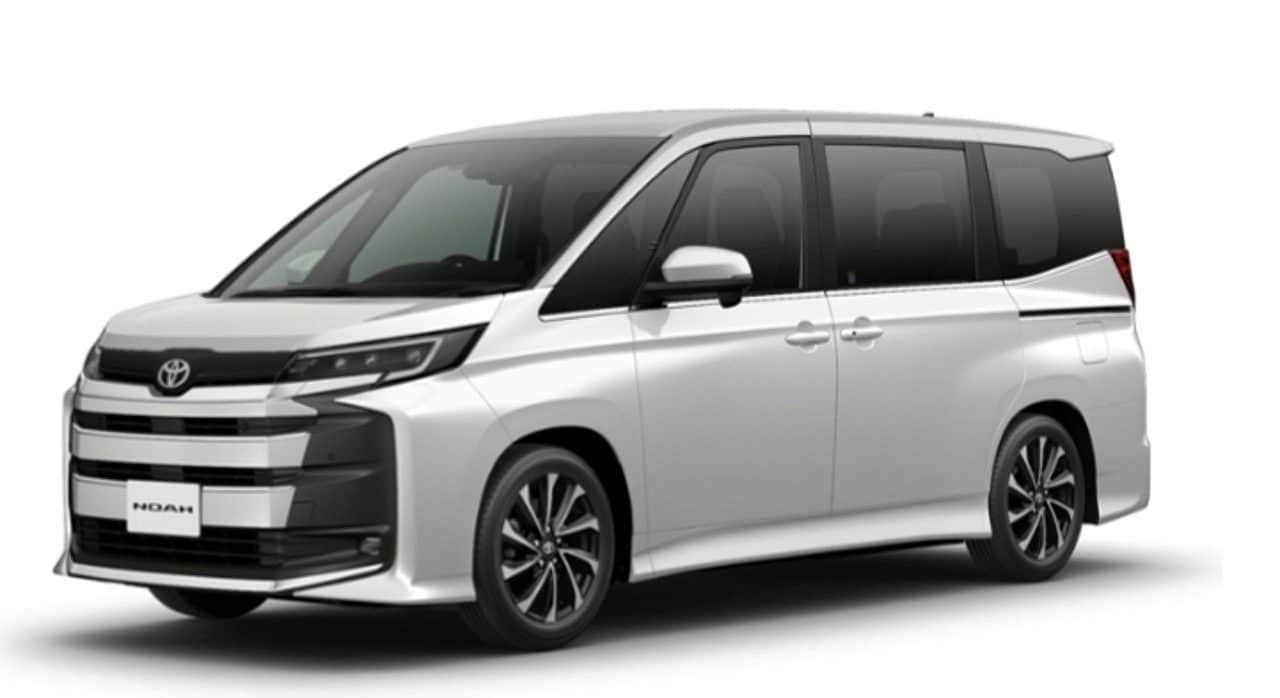
Toyota Motor Corporation has announced a significant redesign for the Noah and Voxy minivan lines in the Asian market. Family vehicles now adopt a unified hybrid propulsion system as the absolute standard for passenger versions. The strategic change eliminates gasoline-only engines from mainstream configurations. Official sales begin on May 6th at Japanese dealerships.
The decision reflects the automotive industry’s accelerated movement towards sustainable mobility in the year 2026. The new mechanical assembly combines an optimized combustion engine with high-efficiency electric thrusters. The automaker seeks to reduce pollutant emissions in urban centers. Starting prices were set at 3,261,500 yen for the Noah model and 3,751,000 yen for the Voxy variant, values that already include local taxes.
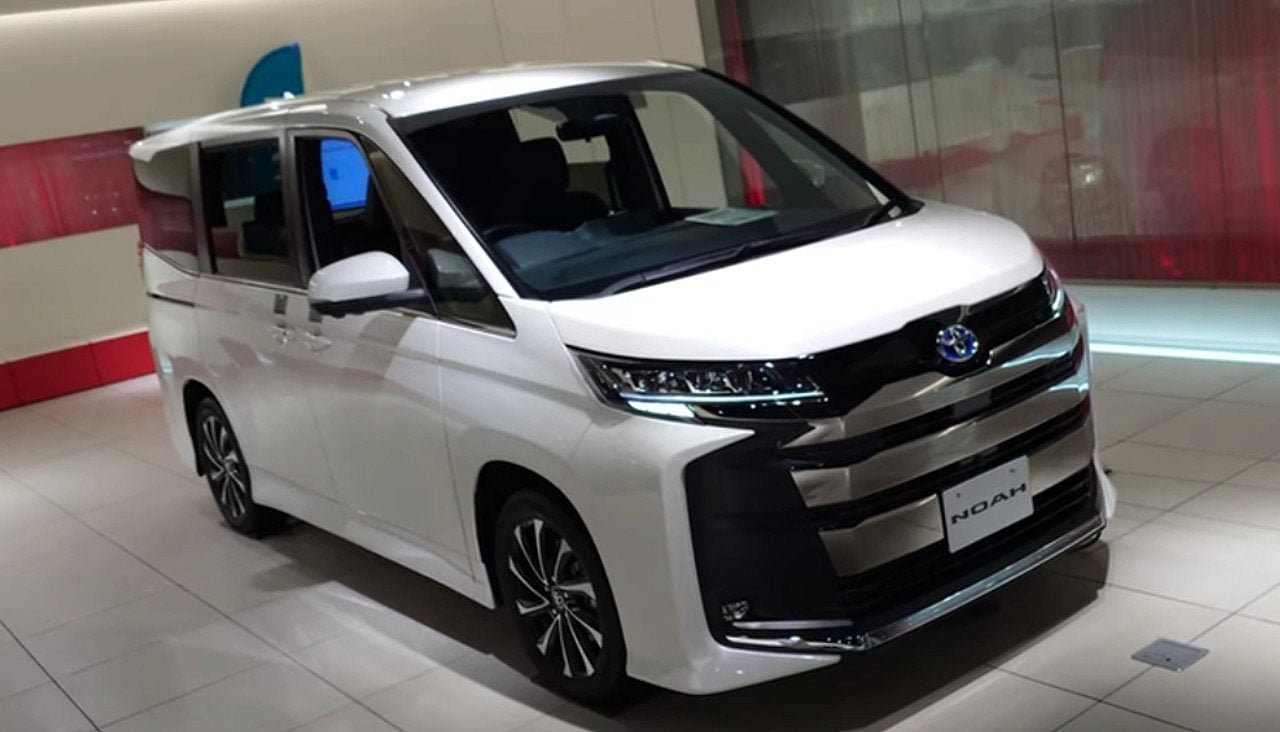
Fim of pure combustion in main lines
The standardization of the hybrid system represents a milestone in the trajectory of these family vehicles. The mechanical architecture now prioritizes silence on board and fuel economy on daily journeys. Purely electric operation comes into its own at low speeds. Isso improves acoustic comfort during intense traffic in large cities. The transition meets growing consumer demand for more efficient and quieter automobiles.
The unified powertrain simplifies the Japanese manufacturer’s production line. The decision was strategic. Engineers calibrated the system to deliver quick responses to the accelerator pedal. The regenerative braking system recovers kinetic energy during sudden decelerations. Essa electricity returns to the compact battery installed in the floor of the car. All-wheel drive, known commercially as E-Four, remains available in the catalog for specific configurations. Esse feature ensures greater grip on slippery roads or during the harsh Asian winter.
Mudanças aesthetics and technology package
The brand’s design department applied precise visual updates to the front of both cars. The identity of each model was preserved and accentuated through new features. The Noah displays sleeker lines and refined contours around the optical assembly. The Voxy focuses on an aggressive aesthetic language with striking aerodynamic elements. Sharing the same structural platform does not prevent each car from having a distinct visual personality.
The interior of the minivans received improvements focused on the driver experience and occupant comfort. The instrument panel has been redesigned to house an enlarged liquid crystal display. The new display concentrates vital vehicle information with high-resolution graphics. Visibility into driving data and the hybrid system’s energy flow has become clearer. Long trips become less tiring with the new digital interface.
- Faróis redesigned with C-shaped light signature on the Noah model.
- Grade front end and bumper revised to improve airflow.
- Aerodinâmica improved with a focus on reducing drag and consumption.
- Catálogo body color expanded with new customization options.
- Central updated driver information with larger digital display.
Active safety is also part of the update package for the 2026 line. The Toyota Safety Sense system is part of the minivans’ standard equipment. Câmeras and radars monitor traffic around the car to prevent frontal collisions. The lane keeping assistant and adaptive cruise control make the routine easier for those who spend hours behind the wheel. The protection of passengers dictates the pace of technological innovations implemented by engineering.
Acessibilidade preserved in special versions
The mechanical restructuring of the main lines does not affect the automaker’s portfolio of assistance vehicles. The configurations known as Welcab maintain the offer of traditional gasoline engines. The launch of these specific variants is scheduled for mid-May. The strategy aims to guarantee affordable costs and simplified maintenance for this niche market. The manufacturer recognizes the importance of maintaining varied options for transporting people with reduced mobility.
The adapted models retain all the practical characteristics that have established the current generation. The wide rear doors with sliding opening facilitate boarding and disembarking for wheelchair users. The flexible cabin allows different seating configurations depending on the needs of the family or transport company. The generous internal space accommodates up to eight occupants in conventional versions. Versatility remains the minivan segment’s strongest selling point.
Light commercial use also benefits from the minivans’ spacious architecture. Taxistas and fleet owners tend to look for vehicles with high durability and low operating costs. The maintenance of the gasoline option in the Welcab line directly serves this professional audience. The brand’s energy transition occurs gradually to avoid running out of essential sectors of the economy. Japanese engineering balances environmental innovation with the practical needs of everyday urban life.
Posicionamento market and environmental goals
Noah and Voxy play a strategic role in the company’s sales volume in Japão. The two models occupy an intermediate market range, positioning themselves just below the luxury minivan Alphard. The fleet renewal comes at a time of strong competition in the Asian automotive sector. Families look for vehicles that combine generous space with low environmental impact technologies. Hybrid standardization directly responds to this requirement of the modern consumer.
The elimination of combustion engines in passenger versions reinforces the corporate commitment to carbon neutrality. The automaker has set stringent emissions reduction targets for the current decade. The partial electrification of the fleet represents a fundamental step on this ecological journey. The gain in energy efficiency reduces dependence on fossil fuels in daily transport. Sustainability is no longer a differentiator to become a basic requirement for industrial design.
Japanese dealerships have already started the reservation period for the updated models. Sales expectations reflect the public’s confidence in the durability of the brand’s hybrid systems. The redesign preserves the family essence of the cars while injecting modernity into the exterior lines. The narrow streets of Japanese cities require cars with good visibility and a short turning radius. Engineers maintained compact external dimensions despite ample cabin space. The combination of economy, acoustic comfort and updated design forms the pillar of the new commercial strategy.



