

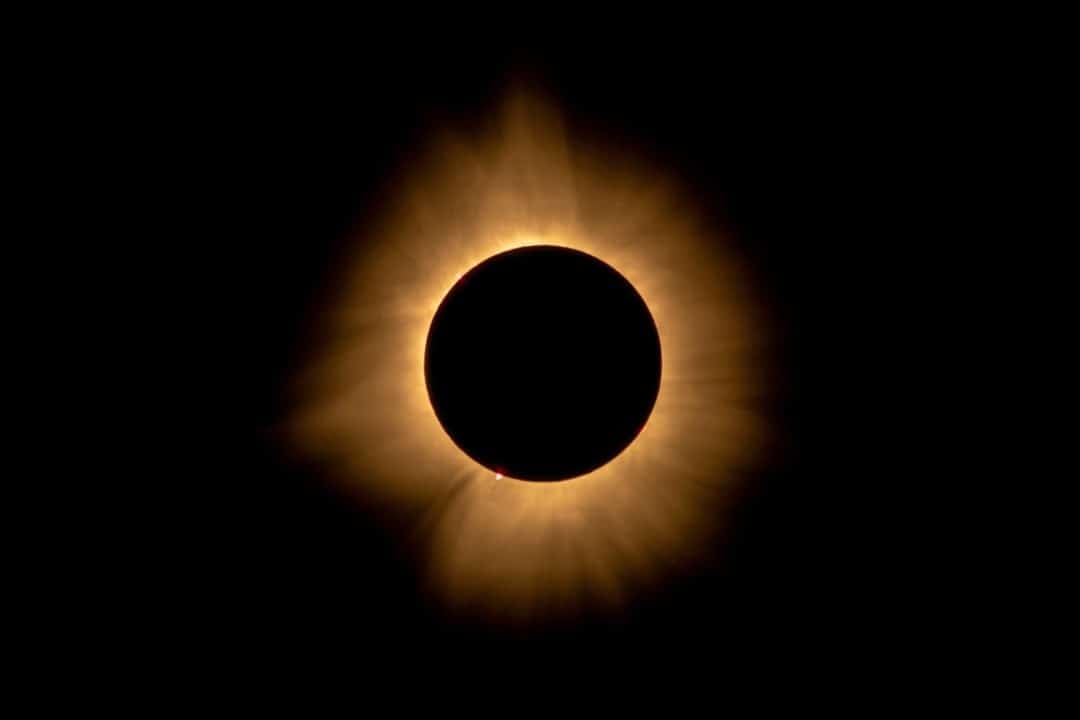
The solar system is preparing one of the most impressive spectacles in modern astronomy for the next decade. The longest solar eclipse of the 21st century already has a confirmed date and promises to turn day into night in several regions of the planet. The phenomenon will occur on August 2, 2027, reaching an exceptional duration that will not be surpassed for more than a hundred years.
Cientistas and enthusiasts from around the world organize expeditions to the most visible points. The band of totality, where Lua completely blocks the solar disk, will pass through strategic areas of Europa, Norte, África and Oriente Médio. Este event is considered a generational milestone, as a solar occultation of this duration and specific characteristics will only happen again in 157 years.
Duração record and expected visual phenomena in the sky
The most striking feature of this astronomical event is the time of total darkness predicted by orbital calculations. According to experts in celestial mechanics, the eclipse will have a maximum duration of approximately 6 minutes and 23 seconds of totality. Este interval is significantly longer than the average total solar eclipse, which generally lasts between two and four minutes.
Durante is the peak of the phenomenon, the local temperature usually drops noticeably and the behavior of the fauna changes due to the sudden darkness. Observadores positioned in the zone of totality will be able to witness rare visual effects:
- Pérolas of Baily: small points of light caused by sunlight crossing lunar valleys.
- Anel of Diamante: effect that occurs seconds before and after absolute totality.
- Visibilidade of planets: stars and bright celestial bodies will emerge in the middle of the day.
- Solar Corona: Sol’s outer atmosphere will be visible as a white aura around Lua.
Regiões privileged to observe the 2027 eclipse
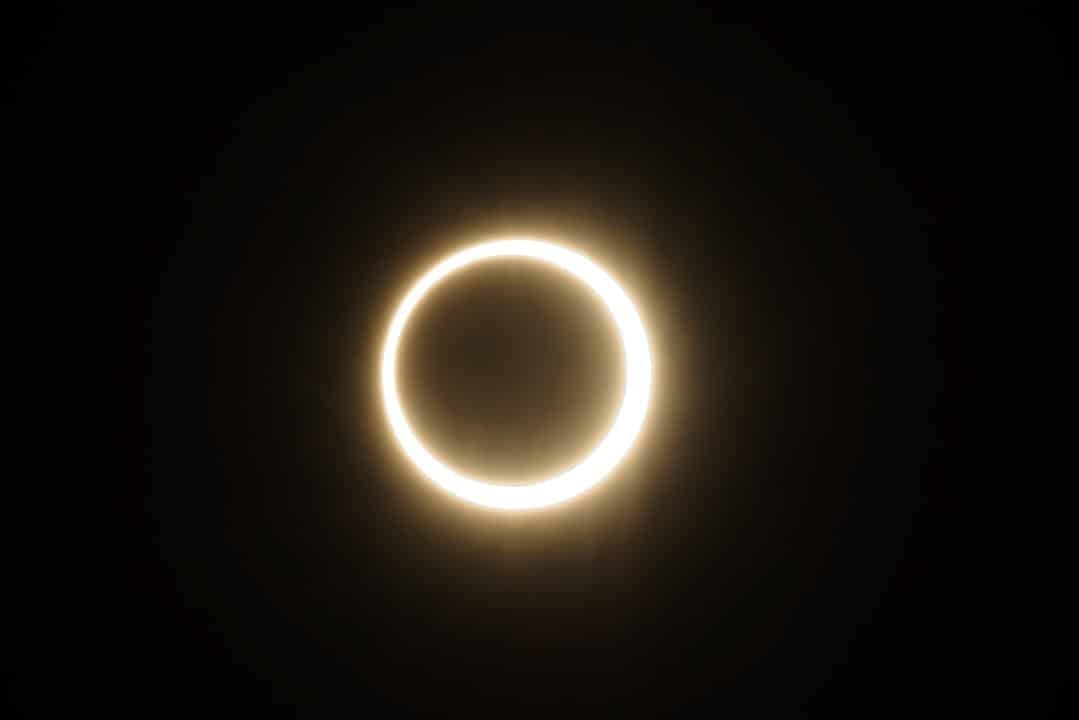
Embora the interest is global, the geography of the longest solar eclipse of the century favors specific destinations. Lua’s shadow will travel a narrow path that includes south of Península Ibérica, crossing Estreito from Gibraltar towards Egito and Arábia Saudita. Na Espanha, expectations are particularly high, with emphasis on regions such as País Basco and the province of Álava. Nestas locations, the sky will not experience a phenomenon of this magnitude again until the year 2183.
The Norte from África will offer the best weather conditions, with a low probability of clouds. No Egito, the eclipse will pass over historical monuments, which should attract thousands of astrophotographers. Full visibility will be restricted to this geographic corridor, while neighboring countries will only observe the partial format, where Sol appears to have a “bite” in its structure.
Security Protocolos to protect vision during the event
Observing any eclipse requires strict care to avoid permanent damage to the retina. Especialistas warn that looking directly at the Sol, even when it is partially covered, may cause blindness or serious injury. Using certified eclipse glasses with an ISO filter is the only safe way to follow the process directly.
Óculos Ordinary sun exposure, x-rays or smoked glass do not offer the necessary protection against ultraviolet rays. The only time when naked eye observation is permitted occurs during the few minutes of totality, when Sol is 100% covered. Assim that the first point of light of the “Ring of Diamante” reappears, the protective equipment must be replaced immediately.
Astronomical Calendário and upcoming events after 2027
The 2027 event is part of a cycle of rare phenomena that will mark the end of this decade. Após the longest solar eclipse of the century, observers already have another date marked on the astronomical calendar. On January 26, 2028, a partial solar eclipse will once again cross the skies, keeping interest in astronomy high.
Estes events serve as crucial opportunities for collecting scientific data about the solar corona. Universidades and space agencies take advantage of artificial darkness to study Sol’s outer layers that are normally obscured by the bright glow. Para the general public, logistical planning remains, as hotel occupancy in totality zones tends to sell out years in advance.





