

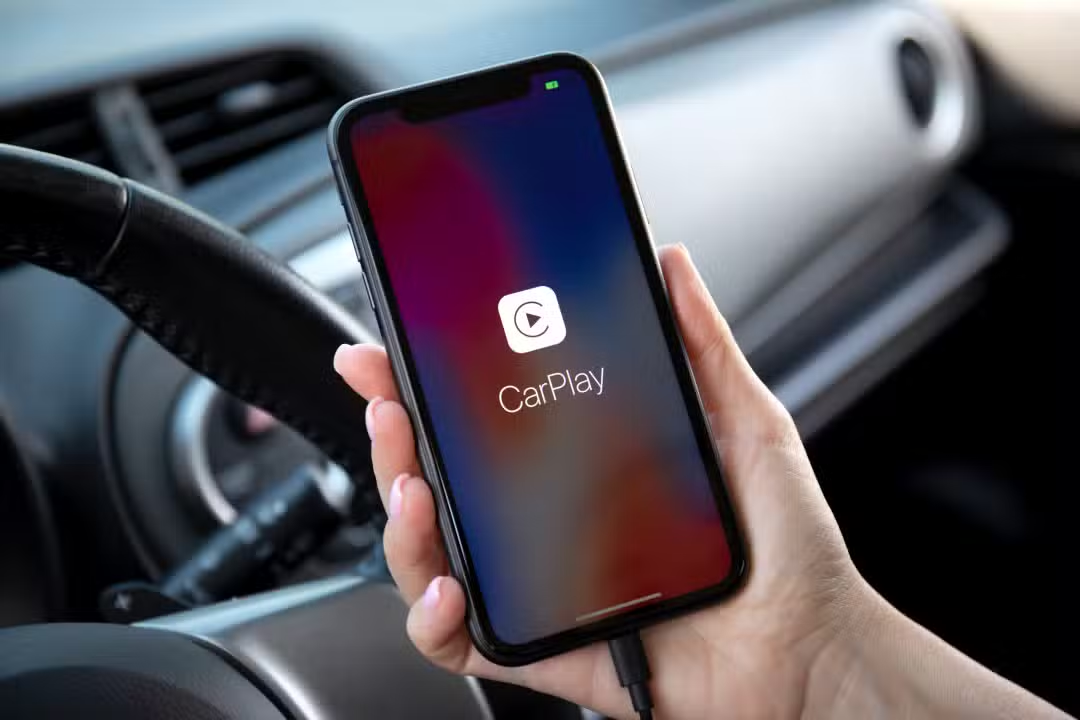
Apple released the iOS 26.4 operating system version with significant changes for the brand’s automotive ecosystem. The CarPlay update introduces native support for conversational artificial intelligence applications and new in-dash entertainment tools. The integration marks a breakthrough in the way drivers interact with navigation and information systems during their daily commute.
The technology company’s move reflects a global trend of incorporating advanced virtual assistants into users’ daily lives. The arrival of natural language platforms in the vehicular environment requires a strict balance between offering new functionalities and maintaining traffic safety. The new features package also restructures the visual organization of shortcuts and sets the stage for future on-the-go media options.
Natural language Aplicativos arrives on vehicle dashboards
The main technical change in the new version involves the creation of a specific category for voice-based conversational software. The ChatGPT and Perplexity platforms provided applications developed exclusively for the Apple automotive environment. The systems operate through vocal commands, allowing the driver to ask complex questions and receive detailed answers without taking their hands off the steering wheel.
The virtual assistant market is experiencing rapid expansion and adaptation for cars represents a new niche for commercial exploration. Informações circulating in the developer community indicates that other popular tools, such as Google Gemini and Claude, are preparing similar releases in the coming months. The entry of these companies into the automotive ecosystem increases direct competition in the embedded artificial intelligence sector, forcing a rapid evolution of the services offered to drivers.
The operating system architecture has been tuned to support fast natural language processing on the go. Communication between the smartphone and the car’s multimedia center requires a stable connection to ensure that responses from the artificial intelligence servers arrive without noticeable delays. Apple has optimized data transfer protocols to avoid communication failures when traveling in areas with varying internet signals, ensuring a fluid experience even on highways far from large urban centers.
Restrições visuals ensure focus on safe driving
The implementation of complex technologies on the car dashboard follows strict road safety guidelines. The design of new artificial intelligence applications severely restricts the display of long texts and images on the dashboard screen. The central objective of this technical limitation is to avoid any type of visual distraction that could compromise the driver’s attention on public roads.
Assistants operate primarily through audio outputs, transforming interaction into a continuous dialogue. The user formulates the request out loud and the system processes the response using natural speech synthesizers. Apesar the arrival of new major competitors, the current software architecture does not allow the replacement of Siri as the device’s default virtual assistant for native phone functions, maintaining control of the central system under the handset manufacturer’s domain.
Music Shortcuts Organização Makes Accessing Entertainment Easy
The development of visual tools for the dashboard has gained momentum since the introduction of the first graphic elements inspired by the smartphone’s home screen. The updated version of the operating system adds a component dedicated exclusively to ambient music management. The feature creates quick paths for triggering themed playlists without the need for deep navigation through the main audio app’s menus.
The structure of the new musical shortcut has specific characteristics for continuous vehicular use:
- Disponibilização of pre-configured lists with themes of relaxation, productivity and sleep.
- Acesso immediately accesses musical selections focused on the well-being of the driver and passengers.
- Integração direct with the main widget panel in the automotive system settings section.
- Interface simplified with large buttons for easy tactile control while riding.
Reducing physical interaction time with the multimedia screen represents a direct gain in the vehicle’s operational safety. The driver can change the sound climate of the cabin with just a quick touch on the central panel. The software engineering team designed the interface considering ergonomics and the driver’s field of peripheral vision, minimizing the time the eyes are taken away from the road.
Barreiras regulatory delays video playback
The company’s release schedule has changed in relation to announcements made at previous technology conferences. Native playback of video files on the panel screen was planned for the first versions of the current operating system, but was not included in the final package made available to the public. Testes carried out on preliminary versions of the software confirmed that the technology is already operational in the company’s laboratories, just awaiting commercial release.
The lack of functionality comes up against regulatory and commercial issues in the global automotive sector. Vehicle manufacturers have strict approval protocols for any feature that modifies the behavior of the original factory entertainment center. The release of moving images on the dashboard requires specific certifications to ensure that the feature only works when the car is fully parked, preventing accidents caused by inattention.
The implementation strategy will adopt a gradual format over the coming months. The release of the video feature will begin with car manufacturers who have already completed the safety testing phases in conjunction with the technology company. The market expectation is that the functionality will gain scale as new brands sign the terms of responsibility and update their vehicles’ firmware at authorized dealers.
Consolidação platform in the automotive market
Recent changes alter the dynamics of daily use for owners of smartphones compatible with the embedded system. The ability to perform complex searches by voice turns commuting time into a productive or informative period. Profissionais who spend hours in traffic find practical use in integration with high-performance artificial intelligence platforms, optimizing their work routine outside the office.
The focus on sound well-being meets a growing demand for personalization of the interior environment of modern automobiles. The new musical component simplifies the routine of those who use car stereos as a tool for mental transition between the work environment and home. The visual organization of shortcuts eliminates the frustration of searching for specific tracks in extensive catalogs while the vehicle is moving through city streets.
The set of updates reaffirms the platform’s position as a central element in consumers’ decision to purchase new vehicles. The dispute for control of the car dashboard involves technology giants and traditional automotive manufacturers in a race for innovation. The continuous investment in tools that combine practicality and road safety demonstrates the structured planning to dominate the digital experience of drivers on a global scale in the coming years.