
Automakers Chery and Jaguar Land Rover revive the Freelander name in new premium electric SUV


The joint venture formed by automakers Chery and Jaguar Land Rover officially launched the Freelander brand during Salão of Automóvel of Pequim in 2026. The event marked the global presentation of the new manufacturer’s first model. Trata is a large electric sports utility vehicle, 5.1 meters long and able to accommodate passengers in three rows of seats. The vehicle arrives to compete for space in the competitive premium segment of sustainable mobility.
The initiative represents the revitalization of a historic name in the automotive industry. Freelander will now operate as an independent manufacturer, disconnected from the traditional lines of its creators. The project combines the Chinese company’s production capacity and electrification technology with the British company’s chassis design and calibration expertise. The alliance’s goal is to merge European visual heritage with Asian productive efficiency.
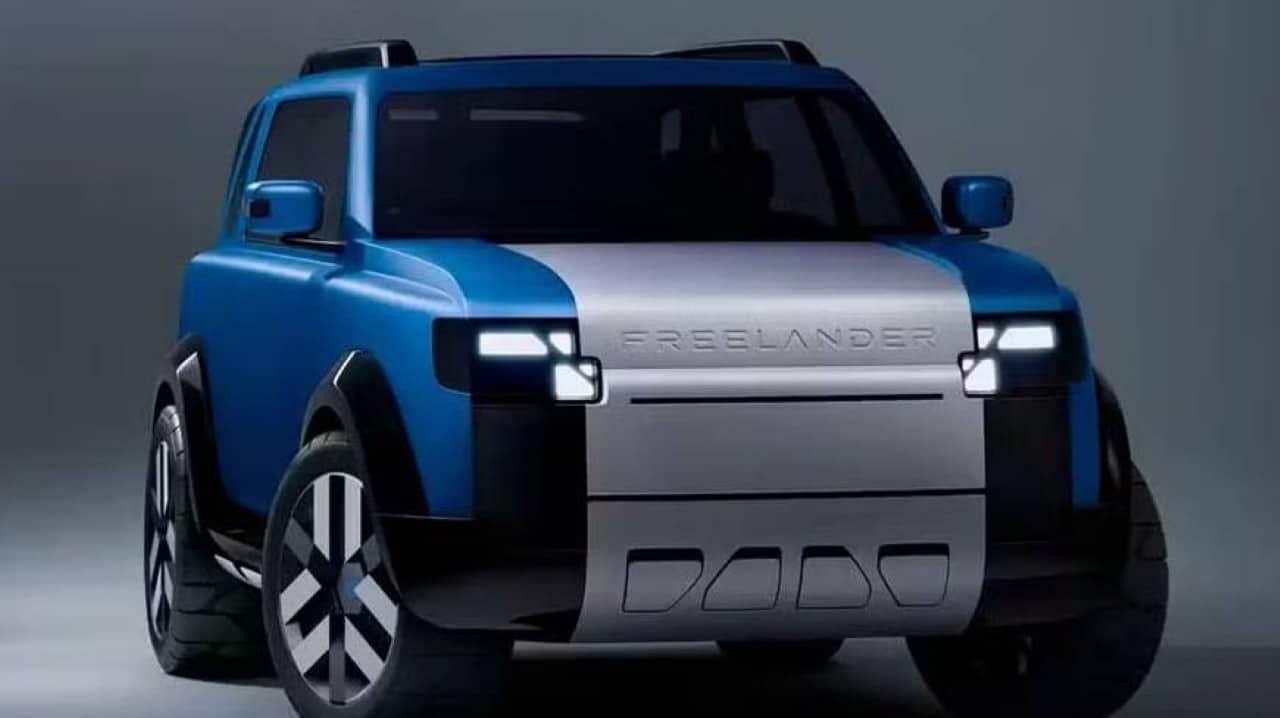
Robust Design brings back visual heritage with touches of modernity
The exterior appearance of the new sports utility vehicle relies on straight lines and an imposing stance. The body features a predominantly square shape, reminiscent of classic off-road vehicles of the past. The designers adopted recessed door handles, a solution that improves aerodynamics and gives a cleaner profile to the side of the car. The closed front grille confirms the model’s all-electric nature and optimizes airflow. Engenheiros worked to reduce the aerodynamic drag coefficient, compensating for the vehicle’s large dimensions.
The car’s silhouette evokes memories of the original three-door model and bears similarities to the current Defender family. The raised hood and straight beltline reinforce the feeling of robustness demanded by consumers in this category. The pronounced wheel arches house high-profile tires, suggesting the ability to tackle rough terrain. The rear features an abrupt vertical cut, maximizing interior space for third-row occupants and the luggage compartment.
Elementos exclusive aesthetics were incorporated to differentiate the product in the market. The design team implemented a sophisticated lighting system, which acts as the visual signature of the new brand. The absence of exhaust pipes and the adoption of smooth lower protectors highlight the transition to a clean energy matrix. The flat roof facilitates the installation of racks and supports, maintaining the adventurous vocation that the name has carried since its original conception.
Advanced Plataforma ensures ultra-fast charging and autonomy
The structural basis of the vehicle uses the E0X architecture, developed by the Chery group for its high-end electric cars. Esta modular platform allows the construction of vehicles with different wheelbases and traction configurations. The structure was designed to accommodate large battery packs in the floor, lowering the center of gravity and improving directional stability. The chassis received specific calibration by British engineers to guarantee the driving comfort characteristic of luxury models.
The supply of energy accumulators was the responsibility of the manufacturer CATL, a world leader in the automotive battery sector. The electrical system operates with an 800 volt architecture, technology that optimizes thermal management during intense use. The main advantage of this configuration is the ability to support charging at direct current stations of up to 350 kW. Waiting time at gas stations is drastically reduced, allowing you to recover hundreds of kilometers of autonomy in just a few minutes.
The engine portfolio will include options for different usage profiles. The entry-level versions will feature a single electric motor installed on the rear axle, prioritizing energy efficiency and maximum range. Top-of-the-line variants will receive a second drive on the front axle, configuring an on-demand all-wheel drive system. Electronic management distributes force between the wheels in fractions of a second, ensuring grip on slippery surfaces and improving the vehicle’s dynamic performance.
Embedded Tecnologia raises the bar for autonomous driving
The vehicle’s roof houses a prominent LiDAR module, a central component for the advanced driver assistance systems. The sensor works in conjunction with high-resolution cameras and millimeter-wave radars spread throughout the body. Processing this data allows the car to offer Nível 3 autonomous driving capabilities in controlled environments. The system takes control of steering, acceleration and braking on highways, requiring the driver to take back control only in complex situations.
The cabin was designed to offer an immersive digital experience for all seven occupants. The traditional instrument panel gave way to high-definition screens that house travel information and the entertainment system. The operating software receives remote updates, allowing the addition of new features throughout the life of the car. The automaker opted for sustainable materials and ecological coatings when finishing the interior.
- Logotipo illuminated front integrated into the main body panel.
- Faróis with matrix LED technology for individual and adaptive lighting.
- Coluna D with three-dimensional design and darkened finish.
- Sensores ultrasonic sensors built into the bumpers for precision maneuvers.
- Rodas light alloy with aerodynamic design to reduce turbulence.
The development of the project required investments of more than ten billion dollars from both companies. The amount was directed towards researching new materials, building prototypes and testing durability in extreme weather conditions. The pre-production units are already circulating on closed test tracks for final validation of the electronic components. The factory responsible for assembly underwent a modernization process to receive the new robotic assembly line.
Expansão global foresees arrival in European and South American markets
The new brand’s commercial strategy establishes a completely independent distribution network. The vehicles will not share showroom space with current Chery or Jaguar Land Rover models. The company plans to open its own stores in upscale areas of the main cities, adopting a direct-to-consumer sales model. The format eliminates intermediaries and seeks to standardize the purchasing experience and after-sales service in all regions of operation.
The official schedule stipulates the start of operations in the Chinese market for the second half of this year. The China will serve as the main production hub and the first barometer of acceptance for the electric utility. The next phase of planning involves large-scale exports to strategic markets. The list of priority destinations includes countries from Europa, Japão and nations from América and Sul, with Brasil being among the targets for international expansion.
The approval process progresses according to the regulatory requirements of each importing country. Engineers make final adjustments to passive safety systems and headlight calibration to comply with local legislation. The price positioning aims to attract consumers looking to transition to electric mobility without giving up internal space and superior finishing. The arrival of the model establishes a new dynamic of competition between traditional automakers and emerging brands focused exclusively on electrification.



