
Department of Health identifies strain of Mpox virus in sewage system in Hawaii in an unprecedented way

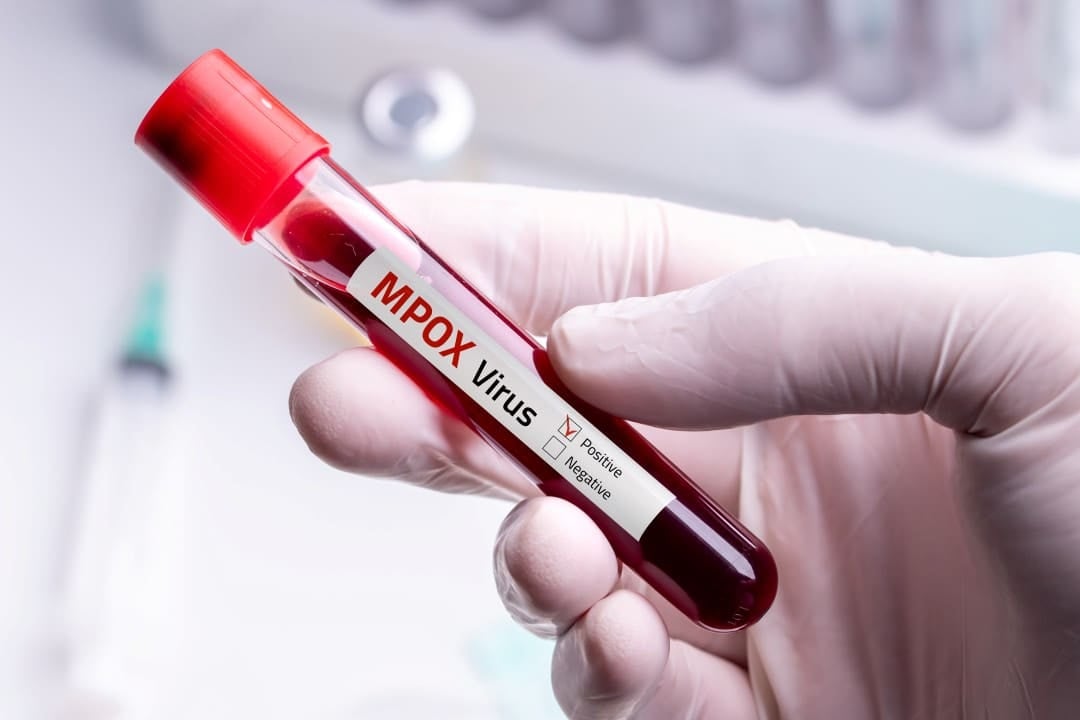
Departamento of Saúde of Havaí confirmed the detection of the virus that causes Mpox in samples collected from the state’s sewage system. The genetic material of the pathogen was located at the Sand Island treatment plant, located in the capital Honolulu. The original collection took place on April 13, marking the first time that local health authorities have recorded the presence of the microorganism in the region’s basic sanitation infrastructure. Até At the moment, the state’s hospitals and clinics have not registered any patients with a clinical diagnosis of the infection.
The laboratory analysis showed the presence of the variant known as Clado I, a strain that is currently circulating in several parts of the world and attracts the attention of infectious diseases specialists. The immediate risk to the general population remains classified as low by the competent authorities. The environmental monitoring system works as an early warning tool, allowing public managers to anticipate containment measures even before the first individuals seek medical attention with skin lesions or other characteristic signs.

Processo sampling and analysis laboratory
The pathogen identification timeline involved multiple verification steps to ensure the accuracy of the results. The sample collected in mid-April arrived at the reference laboratory on the 20th of the same month. The technicians completed the sequencing and confirmed the presence of the viral material on April 24th. A second collection, carried out at the same treatment plant during the investigation period, showed a negative result for the presence of the virus. Essa variation in results demonstrates the dynamics of viral shedding in large volumes of wastewater.
Detection in wastewater does not necessarily indicate the existence of an active outbreak or uncontrolled transmission in the community. The sewage system receives contributions from thousands of homes, commercial establishments and tourist facilities. The presence of the virus simply signals that at least one individual in the area covered by the Sand Island station has eliminated the pathogen, either through bodily fluids or washing contaminated materials. The method offers a broad portrait of viral circulation without violating citizens’ privacy.
Ongoing monitoring at water treatment facilities will continue in the coming weeks. Departamento of Saúde established an expanded surveillance protocol to track potential changes in virus concentration. Excluding old samples and prioritizing recent collections form the basis of the current strategy. Epidemiologists use this data to model pathogen behavior and direct health system resources to areas most likely to record clinical cases in the short term.
Variant Perfil and contagion mechanisms
The Clado I lineage of the Mpox virus has specific characteristics that demand strict attention from health control bodies. Historicamente, this variant has endemic circulation in África Central countries. Data accumulated by international health organizations indicate that Clado I tends to cause more severe clinical conditions when compared to other strains of the same virus. The identification of this specific lineage in Havaí reinforces the need for efficient screening protocols in the archipelago’s ports and airports.
Transmission of the pathogen occurs primarily through close and prolonged contact with an infected person. The exchange of bodily fluids, direct contact with skin lesions, and exposure to respiratory droplets during face-to-face interactions constitute the main routes of infection. Sharing personal objects, bedding, towels and utensils that harbor the virus also poses a considerable risk. The microorganism has the ability to survive on surfaces for variable periods, depending on environmental conditions of temperature and humidity.
Health professionals advise the population to maintain strict personal hygiene practices. Frequent hand washing with soap and water, the use of alcohol-based disinfectants and adequate hygiene of shared environments drastically reduce the chances of contamination. Local authorities work to disseminate this information through campaigns in communication vehicles and social networks, seeking to reach both permanent residents and the large floating population of tourists who visit the state daily.
Diretrizes immunization and health response
The prevention strategy adopted by the health system includes the availability of specific immunization agents for priority groups. The JYNNEOS vaccine, developed to combat smallpox and Mpox infections, is available at reference centers in the state. Doses are administered based on risk assessment, prioritizing individuals who are more likely to be exposed to the virus in their daily activities or personal relationships. Logistics planning ensures that stocks remain adequate to meet any increase in demand.
The public health committee established clear criteria for recommending the vaccine, focusing on interrupting chains of transmission. Groups eligible to receive the vaccine include:
- Profissionais healthcare professionals who work on the front lines of infectious disease care.
- Trabalhadores from laboratories that handle samples suspected of containing the virus.
- Pessoas who have had close or prolonged contact with recently diagnosed individuals.
- Cidadãos with a history of multiple partnerships in a short period of time.
- Indivíduos who frequent places where the occurrence of contagion has been previously mapped.
The incubation period of the disease requires prolonged vigilance on the part of exposed people. Symptoms can take up to 21 days to manifest after initial contact with the pathogen. The classic clinical picture includes sudden fever, intense muscle pain, extreme fatigue and the characteristic swelling of the lymph nodes. Posteriormente, the patient develops skin rashes that evolve into pustules and crusts. Early identification of these signs facilitates immediate isolation and reduces the risk of spreading the virus in the community.
Medical protocols dictate that anyone suspected of having an infection must take precautionary measures before seeking in-person care. Prior telephone contact with clinics or hospitals allows triage teams to prepare the appropriate environment for receiving the patient. Essa conduct avoids exposure to other individuals in waiting rooms and ensures that the patient receives medical evaluation in an isolation room, using appropriate personal protective equipment.
Environmental Vigilância as a global tool
Wastewater analysis has established itself as a fundamental pillar of modern epidemiology on a global scale. The method gained strength during recent health emergencies and became part of the monitoring guidelines of several international agencies. The ability to track the silent circulation of pathogens offers an invaluable strategic advantage to public policymakers. The program implemented at Havaí reflects this global trend of investing in predictive surveillance technologies to protect the health of the population.
Estudos scientists demonstrate that infected individuals can excrete viral genetic material even in the absence of noticeable symptoms. Environmental detection captures this subclinical shedding, revealing the presence of the virus before traditional medical reporting systems record the first case. Fatores such as water temperature, the use of chemicals in the sewage system and the volume of rainfall influence the integrity of the genetic material collected, requiring high precision laboratory techniques to avoid false results.
Cross-referencing environmental data with clinical information makes it possible to map the pathogen’s behavior with greater accuracy. Departamento of Saúde of Havaí maintains open channels of communication with federal laboratories and university research centers to continually improve analysis methods. Transparency in the dissemination of results seeks to keep the population informed without generating alarmism, promoting a culture of prevention based on concrete evidence and coordinated actions between the government and civil society.





