Inflation motivates Coca-Cola to reduce packaging size in Brazil; company denies leaving the country
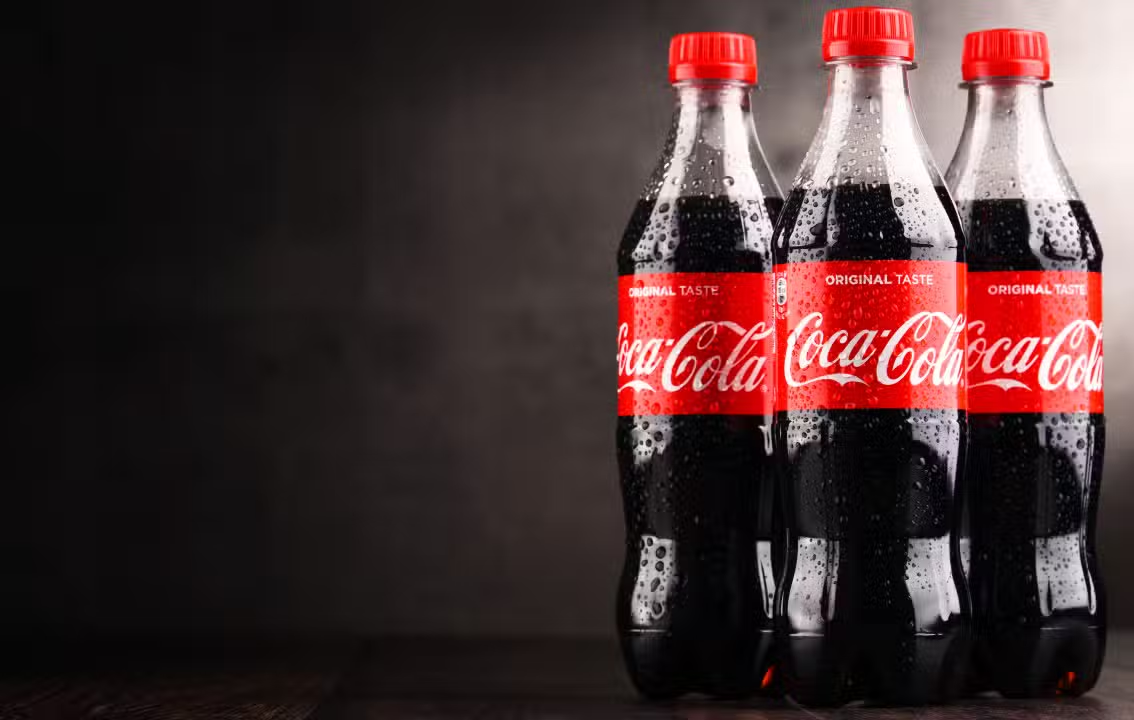
Coca-Cola announced a significant change in its global market strategy, with a direct impact on Brazilian operations. The central measure involves gradually reducing the packaging size of its products. Contrariando rumors spread on social media, the company emphatically denied any intention to close its activities in the country, reiterating that the initiative represents a profound reformulation of its portfolio.
Essa corporate decision emerges as a response to a global macroeconomic scenario, characterized by persistent inflation and the consequent decrease in consumers’ purchasing power. The company argues that the proposal aims to adapt its products to new consumption patterns, facilitating more frequent purchases and with a lower financial outlay per unit for the public.
Reformulação Estratégica to Meio to Inflação
The strategy of reducing packaging size is not an isolated movement, but part of a broader vision for the global market. Essa approach seeks to balance maintaining sales volume with product accessibility for consumers in a challenging economic scenario. The initiative is led by Henrique Braun, global CEO of Coca-Cola, who recently took charge of the company. In a statement to The Wall Street Journal, Braun emphasized the importance of this adaptation to ensure the brand’s sustainability and relevance in different markets.
Inflation has been a limiting factor for the purchasing power of Brazilian families. Diante In this scenario, many consumers began to look for more affordable alternatives to maintain their consumption habits. Offering smaller packages allows the final price per unit to be reduced, facilitating the purchasing decision. Embora the cost per liter may be proportionally higher, the strategy aims to provide a feeling of control over spending to the consumer at the time of purchase, encouraging the purchase of products that could previously be perceived as expensive. Essa “entry price” tactic seeks to avoid an abrupt drop in demand.
Desmistificando Rumores and Reafirmando Compromisso
Speculation about a possible departure of Coca-Cola from Brasil gained strength on digital platforms, generating concern among consumers and the market. However, the company was categorical in denying such information. Fontes linked to the company reinforced that Brasil continues to be a priority market and of great strategic importance for its global operations. The adoption of new packaging is a sign of adaptation, not withdrawal.
The reformulation of the portfolio, in this context, is understood as a long-term movement to strengthen the brand’s presence in the country. Instead of reducing its operations, Coca-Cola intends to optimize the way its products reach Brazilian homes, adapting to consumers’ current financial needs and preferences. The company’s commitment to the national market is manifested in the search for innovative solutions to maintain the competitiveness and relevance of its products, ensuring that consumers have access to their favorite items.


Impactos Financeiros and Tendências of Mercado
Apesar the complexity of the economic scenario, Coca-Cola projects positive financial results with the new strategy. The company estimates growth in earnings per share between 8% and 9% for the year 2026. Essa optimistic projection is based on the focus on products that offer greater added value and on strategic adjustments made to the portfolio. Selling smaller portions, albeit with potentially higher unit margins, can boost the company’s total sales volume and overall profitability.
The adoption of smaller packaging sizes is a trend that has been observed in several large global companies. Esse movement is not just restricted to the beverage industry, but covers varied sectors, such as food and hygiene products. The reasons behind this trend are multifaceted and reflect a complex interplay of macroeconomic and social factors.
- Inflação Elevada:The general increase in prices reduces purchasing power, leading companies to offer more affordable options.
- Mudanças on Consumo:Consumidores seek more practicality, individual portions and the possibility of better controlling your daily expenses.
- Pressões by Sustentabilidade:Smaller Embalagens can be perceived as an effort to reduce waste and plastic use.
- Diversificação from Portfólio:Aumentar the variety of sizes allows it to meet different market niches and consumption occasions.
- Aumento of Frequência of Compra:Smaller Produtos tend to be purchased more regularly, maintaining companies’ cash flow.
The Novo Comportamento of the Consumidor Brasileiro
The Brazilian consumer, in particular, has demonstrated greater sensitivity to prices in recent years. The search for promotions, cheaper brands and portions that fit into the daily budget has become a constant. Coca-Cola’s strategy of offering smaller packaging speaks directly to this reality, trying to keep the brand present in the shopping basket even in the face of financial restrictions. The company hopes that this flexibility in the offer will help build customer loyalty.
Essa adaptation is not just a response to the economic crisis, but also an alignment with cultural changes. The consumption of products in individual portions or for immediate consumption has grown, driven by urban life and the search for convenience. Coca-Cola, by adjusting its portfolio, seeks not only to face inflation, but also to position itself in a relevant way in the face of these new consumption dynamics.
See Also em Latest News (EN)

Madrid Metro restores Line 9 after a 90-minute cut due to technical failure this Thursday
30/04/2026
The Gingko Bed actor Park Dong Bin dies at age 56 before career milestone
30/04/2026
Andhra Pradesh exam pass rate hits 85.25% in 2026 with female lead
30/04/2026
AP SSC 2026: Pass rate rises to 85.25%; girls maintain superior performance
30/04/2026
Wordle 1776 answer from April 30th with repeated letter tip revealed
30/04/2026
Spotify streaming service down and with access failures for thousands of users this Monday
30/04/2026
PlayStation 5 receives Ark and new fighting game from Riot Games to expand digital catalog
30/04/2026
Sony releases system update for PlayStation 5 with improvements and two free games
30/04/2026
PlayStation 5 players receive free access to two full titles in the digital store
30/04/2026
Sony releases redemption of two free digital games for PlayStation 5 users after update
30/04/2026
Sony makes two complete titles available for free for PlayStation 5 console users
30/04/2026