Nutritionist warns about risks of whey and creatine for children under three years old

Digital influencer Carol Borba revealed during an interview with the Podshape program that she offers whey protein and creatine to her three-year-old daughter in a bottle with milk. The practice has sparked debate among pediatric nutrition experts about the safety of supplements for such young children.
Carol Borba, who has more than 3.4 million followers on social media and works as a personal trainer on YouTube, reported receiving constant criticism from internet users about the decision. The influencer argues that she researched the topic and considers the practice a way to establish healthy eating habits from an early age. Ela administers whey protein in the morning or before the girl goes to sleep, accompanied by creatine, stating that this nutritional pattern means that the daughter does not develop an excessive interest in sweets and ultra-processed foods.
Presenter Juju Salimeni, who also leads Podshape alongside Diogo Basaglia, came to Carol’s defense during the broadcast. Questionou the consistency of the criticism, pointing out that the same people who judge the influencer often offer their children foods high in sugar, fat and chemical additives without facing the same level of condemnation.
Nutricionistas clarify real protein needs
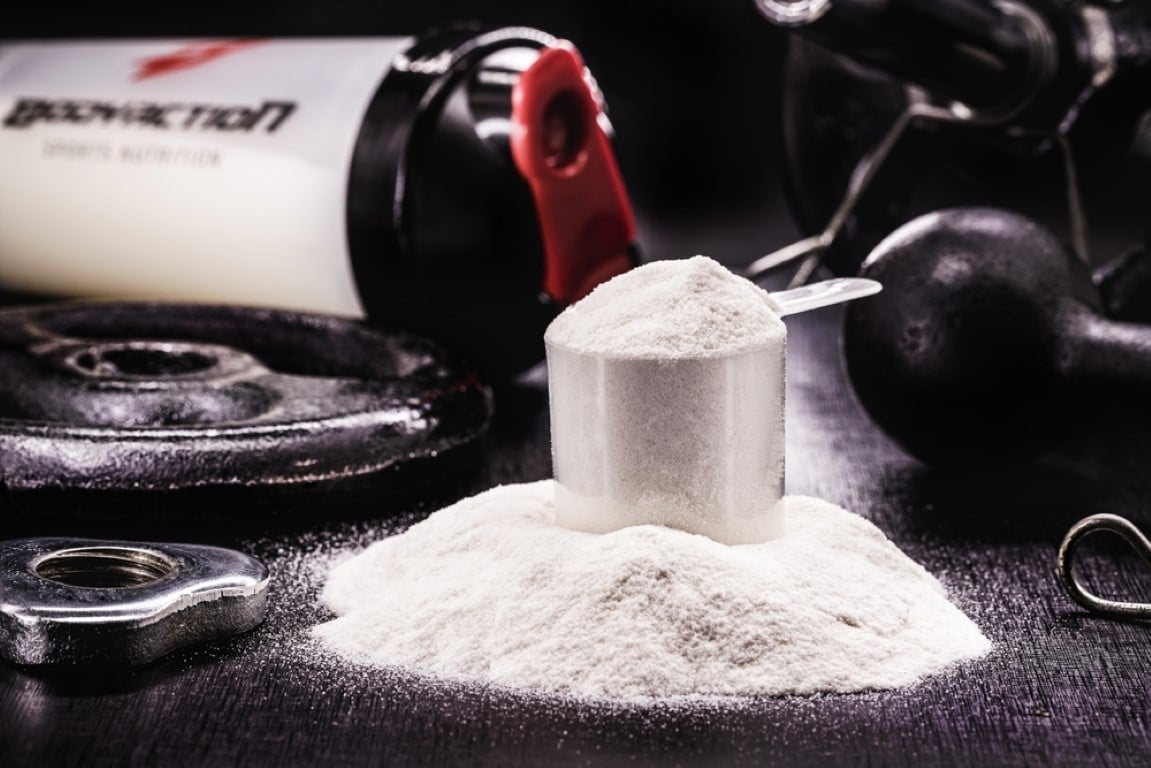
Natália Gallagher, head of nutrition for Hospital Samaritano Barra and Hospital Vitória, detailed to Terra the official recommendations for protein intake in young children. Conforme established by American Academy of Pediatrics, children between one and three years old need approximately 13 grams of protein daily. Adolescentes, in turn, require between 46 and 52 grams per day.
The expert emphasized that these needs are easily met through conventional food sources. Leite wholemeal, eggs, red meat, chicken, fish and legumes such as beans, lentils and chickpeas provide adequate amounts of amino acids and high-quality proteins. Diversifying natural foods offers additional benefits that supplements cannot fully replicate.
Riscos of excessive protein consumption at an early age
Embora Although scientific studies have not documented specific damage to the kidneys or liver in children and adolescents who consume whey and creatine, Natália Gallagher warned of potential long-term consequences. Excess protein in the first years of life is correlated with a greater likelihood of overweight and obesity in later childhood, according to data from recent nutritional research.



Além Furthermore, pediatric health entities warn of issues related to the indiscriminate use of supplements at a young age:
- Risco of product adulteration and presence of substances not declared on the label
- Possível association with development of body image disorders in adolescents
- Falta of adequate regulation for supplementation in minors
- Impacto unknown long-term on systems still under development
- Necessidade for medical monitoring in cases of pre-existing conditions
Contextos where whey protein is appropriate for children
The expert recognized legitimate applications of whey protein in specific clinical scenarios. Para babies facing malnutrition or on specialized infant formulas, hydrolyzed whey has shown proven benefits. Esse type hydrolyzed protein is particularly useful for infants with allergies to cow’s milk protein or digestive difficulties associated with gastrointestinal conditions.
In teenagers who practice high-performance sports, when intense training generates protein demands that are not completely met by the conventional diet, whey protein can be considered as a supplement. Estudos indicate that its short-term use may be safe and aid in muscle recovery and improved athletic performance. Entretanto, the priority remains a complete diet based on natural foods.
Orientação general for parents and caregivers
Natália Gallagher recommends that those responsible for young children prioritize fresh and minimally processed foods. A varied diet containing different types of vegetable and animal proteins provides all the nutrients necessary for proper development. The introduction of supplements to minors should occur exclusively under the guidance of a pediatrician or child nutritionist, especially when there are pre-existing health conditions that justify this intervention.
See Also em Latest News (EN)

Supercell releases free voucher for Damian’s Box in Brawl Stars
02/05/2026
Motor sport idol and multiple Paralympic champion, Alex Zanardi dies aged 59 in Italy
02/05/2026
Intense rainfall in Pernambuco causes four deaths and leaves hundreds homeless on the holiday
02/05/2026
Valve’s new portable console may only arrive in 2028 due to the global semiconductor crisis
02/05/2026
Nintendo announces new generation of hybrid console with unprecedented remake of Zelda Ocarina of Time
02/05/2026
Famous actor Terry Crews becomes a playable character in Black Ops 7 and Warzone in the new season
02/05/2026
Loteca 1247 accumulates and prize goes to R$ 750 thousand in the next draw
02/05/2026
Where to watch Newcastle vs Brighton live with line-ups confirmed for St. James’ Park
02/05/2026
PlayStation Plus service updates catalog with four new titles for subscribers to redeem
02/05/2026
New G-Shock watch collection combines steel and resin to withstand heavy industrial work
02/05/2026
Valve’s digital store releases package with four independent titles for free for computers
02/05/2026