
Forecast of extreme rain in Miami forces FIA to set up special scheme for Formula 1 race
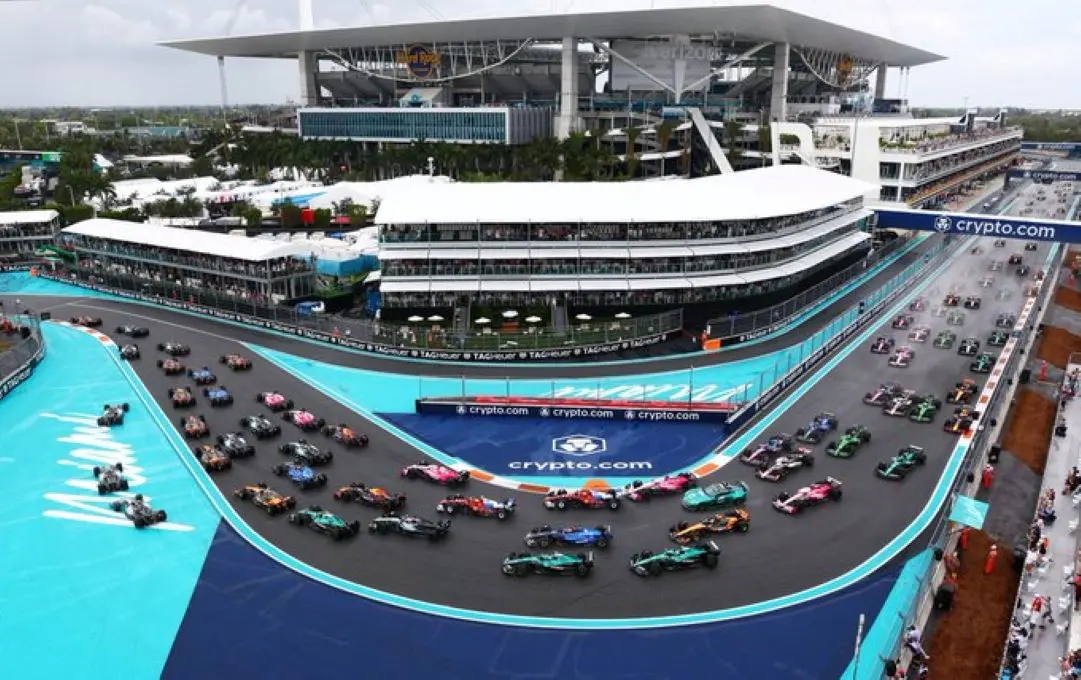
The organization of Grande Prêmio of Miami of Fórmula 1 faces a complex weather scenario for this Sunday’s race. Previsões indicate the arrival of intense rain and thunderstorms in the circuit region. Federação Internacional of Automobilismo (FIA) needed to intervene early. The entity activated a contingency protocol to guarantee the test.
The climate alert generated immediate mobilization behind the scenes in the category. Pilotos and teams are concerned about the behavior of current cars on wet tracks. The lack of testing in the rain with the current technical regulations makes the situation worse. Diretores test evaluate alternatives to avoid cancellations. Competitor safety guides all decisions made by sporting authorities.
Monitoramento meteorological and preventive actions of the race direction
FIA’s Profissionais monitors the movement of clouds over the state of Flórida using high-precision radars. Monitoring occurs in real time during all track activities. Especialistas in weather provide constant updates to flight attendants. The main objective is to anticipate the arrival of severe storms. Local climate volatility requires quick responses from race management.
The security protocol encompasses different risk scenarios. Bulky Chuvas reduce visibility and cause water to accumulate on the asphalt. Management evaluates the prolonged use of the safety car before releasing the platoon. Red flagged Interrupções represents a real possibility. The regulation allows drastic changes to the schedule to preserve the physical integrity of those involved in the event.
The experience gained in previous editions of the North American event guides the current measures. The street circuit has specific flow characteristics. Engenheiros works to unclog pipelines close to retaining walls. The logistics of evacuating the stands also underwent revisions. Fiscais received extra guidance to deal with waste brought in by strong winds.
Desempenho of current cars and lack of references on wet asphalt
The current technical regulation of the Fórmula 1 is based on ground effect to generate aerodynamic pressure. The concept makes piloting difficult. The floor of vehicles sucks up the accumulated water and throws a dense spray behind, impairing the vision of those following behind. Poucos competitors have mileage under these conditions. The 2026 models are still unknown under intense precipitation.
Oscar Piastri, a McLaren driver, expressed concern about the climate scenario. The winner of the Miami stage the previous year highlighted the intensity of precipitation in the region. Ele reported that local rainfall is often extreme. The Australian athlete highlighted the lack of concrete data on the tires’ grip limit. Equipes operates with virtual simulations to try to predict the mechanical behavior of single-seaters.
The urban layout aggravates the risks inherent to wet roads. Muros of concrete delimit the entire perimeter of the runway. Áreas exhaust pipes are short or non-existent on several high-speed sections. A small miscalculation during braking results in strong collisions. Pilotos will need to adapt the driving style from lap to lap. The sensitivity of the accelerator pedal will define who can keep the car on the ideal track.
Read also: Project Rally One enters WRC 2027 as first independent manufacturer under new FIA rules
Impacto in urban infrastructure and possible time changes
Pistas mounted on public roads suffer from drainage systems designed for civil traffic. Ordinary asphalt retains more moisture than the porous surface of permanent racetracks. Poças of water forms quickly in the heaviest braking areas. The phenomenon of hydroplaning abruptly takes away the vehicle’s directional control. Varredores mechanics are on standby to remove excess liquid at critical points in the circuit.
The race management is considering changing the official start time on Sunday. Anticipating the race appears as the most viable alternative to escape the peak of the storm. Esta logistical maneuver involves complex negotiations with broadcast rights holders. Emissoras television stations around the world would need to readjust their programming schedules. The organization also needs to communicate to the public in advance.
The contingency plan details the procedures for different weather alert levels. Authorities have established clear guidelines for managing the crisis over the weekend.
- Inspeção asphalt physics by official vehicles before the pits are released.
- Suspensão immediate response to activities if electrical discharges occur near the race track.
- Acionamento of portable suction pumps on curves with a greater history of flooding.
- Comunicação talks directly with the teams about the expected rainfall in the next few minutes.
The flexibility of the schedule reflects the priority given to sports safety. The event involves thousands of professionals and tons of sensitive equipment. Alterar programming requires synchronization between local promoters and the category’s leadership. The final decision will depend on weather reports issued on the morning of the race. Fãs await official announcements through the organization’s channels.
On the same topic: Mercedes driver Kimi Antonelli seeks to correct flaws in starts to lead Formula 1
Adaptação of strategies in the pits and pressure on competitors
The unstable climate forces engineers to redo consumption and wear calculations. The ideal aerodynamic configuration for dry conditions is completely different from that for rain. Mecânicos increase the height of the car in relation to the ground to prevent the floor from coming into contact with puddles. The front and rear wings receive more rake to generate extra grip. Estas changes sacrifice top speed on the straights.
Choosing the exact moment to change the tires defines the result of the race. Pistas drying quickly destroys rain compounds in a few turns. The very wet asphalt makes the use of intermediate tires unfeasible. Estrategistas analyze opponents’ lap times to make decisions. An early or late pit stop costs unrecoverable positions in the midfield.
The mental strain on athletes reaches maximum levels when racing in the rain. Concentration needs to be absolute during almost two hours of driving at the limit. The water spray eliminates visual reference points used for braking. Pilotos trust intuition and instructions passed over the radio. Grande Prêmio of Miami will test the improvisation capacity of the entire Fórmula 1 grid.
More news in Latest News (EN)
See more → Vampire Bloodlines 2 gets two-hour trial on PlayStation Plus
 Rockstar Games faces backlash over leaked GTA 6 special box
 Ranching mod turns Red Dead Redemption 2 into a farm sim
 Ciri will lead The Witcher 4 alongside 11 key returning allies
 Developer Ray Ervian reveals Beneath the Dying Sun project
 Borderlands 4 player count quadruples on Steam with new DLCWelterweight clash: Benn and Garcia prepare for September 12 bout as bet365 unveils special offerFormer Windsor mayor ordered to pay $13 million in damages after being found liable for sexual assaults of seven womenNew York governor’s pardon of convicted felon derails Supreme Court immigration bond rights battle
 New Hogwarts Legacy mod opens Diagon Alley for PC playersAlleged Black Axe members extradited from South Africa to US in major $6 million romance fraud crackdownTehran expands control over critical oil shipping routes, bolstering regional diplomatic power
More news on Mix Vale
- 1Sami Zayn reclaims undisputed WWE championship in a dramatic and controversial SmackDown main event
- 2Frequent nighttime urination: When waking up multiple times signals deeper health concerns
- 3Kansas quarterback Isaiah Marshall delivers stunning, potentially season-defining throw amidst heated rivalry clash
- 4Lady Gaga and Michael Polansky announce birth of first child
- 5Hull City holds Chelsea to 2-2 draw as João Pedro scores
- 6Redmi 17 5G arrives with 7,500 mAh cell at $249 global price
- 7Comet 3I/ATLAS shows interstellar orbit data on September 11
- 83I/ATLAS reveals interstellar trajectory from September 11 data
- 9Los Perros del Mal seize AAA world trios championship at Triplemania 34 in Las Vegas
- 10Legisladores de Iowa proíbem programas de renda garantida, gerando críticas sobre ‘guerras ideológicas’ e autonomia local