
Large study with 15 thousand reveals ideal aerobic exercises for knee arthritis
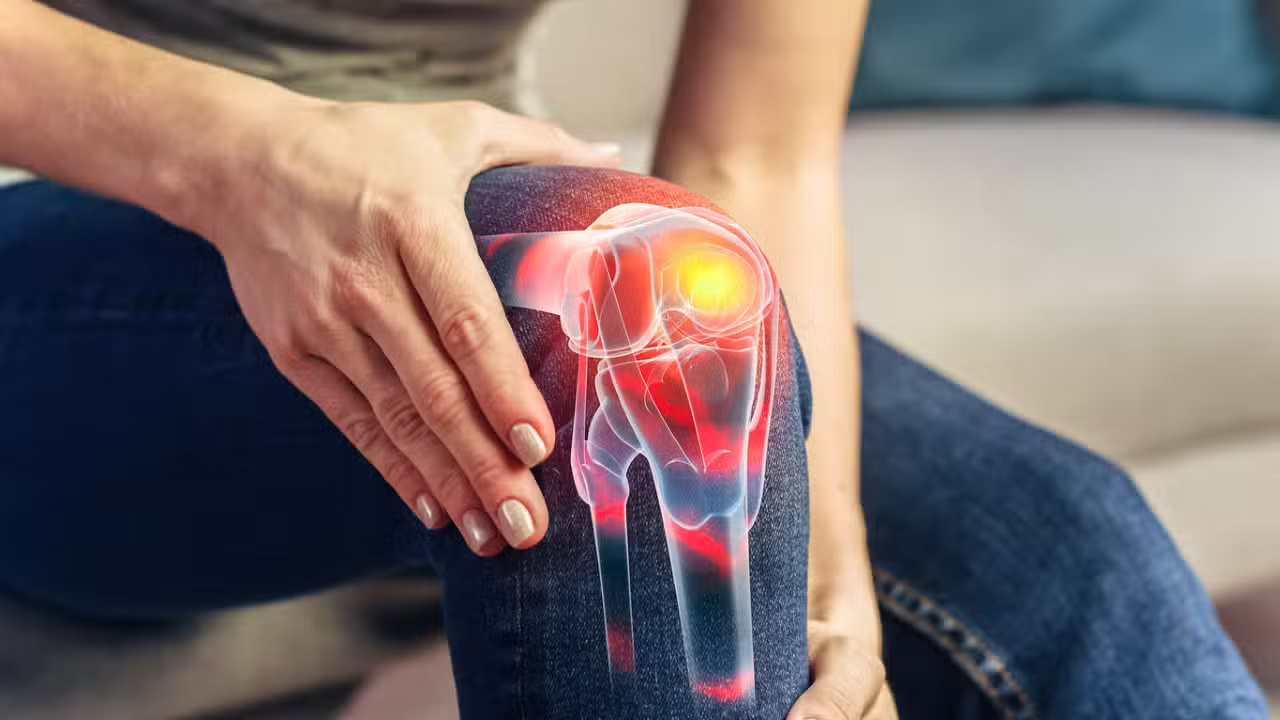
A major review of 217 clinical studies points to aerobic exercise as the most effective intervention for relieving symptoms of knee osteoarthritis. Atividades such as walking, cycling and swimming stood out compared to other types of exercise in reducing pain and significantly improving mobility in patients affected by the condition. The analysis, published in The BMJ, demonstrates that although other types of physical activity are useful, they achieve better results when combined with aerobic training.
The research results reinforce the fundamental role of exercise as a safe and essential part of treatment for knee osteoarthritis, offering clear guidelines for doctors and patients. Mais from 15,000 participants were included in the reviewed clinical trials, solidifying the credibility of the conclusions regarding the most beneficial practices for managing the disease.
Exercícios aerobics lead in reducing pain and improving function
Research has consistently shown that aerobic exercise provided the greatest relief in the symptoms of knee osteoarthritis. Esta modality of physical activity, which includes walking, cycling and swimming, demonstrated notable improvements in several aspects crucial to patients’ quality of life. The benefits observed included:
- Redução of pain in the short and medium term.
- Melhora of physical function in short, medium and long term periods.
- Aprimoramento of the ability to walk.
- Elevação of general quality of life.
Outras forms of exercise, such as mind-body approaches and neuromotor training, have also provided benefits, particularly in short-term function and gait performance. However, its effectiveness was increased when complemented by aerobic activities, suggesting an integrated approach to treatment.
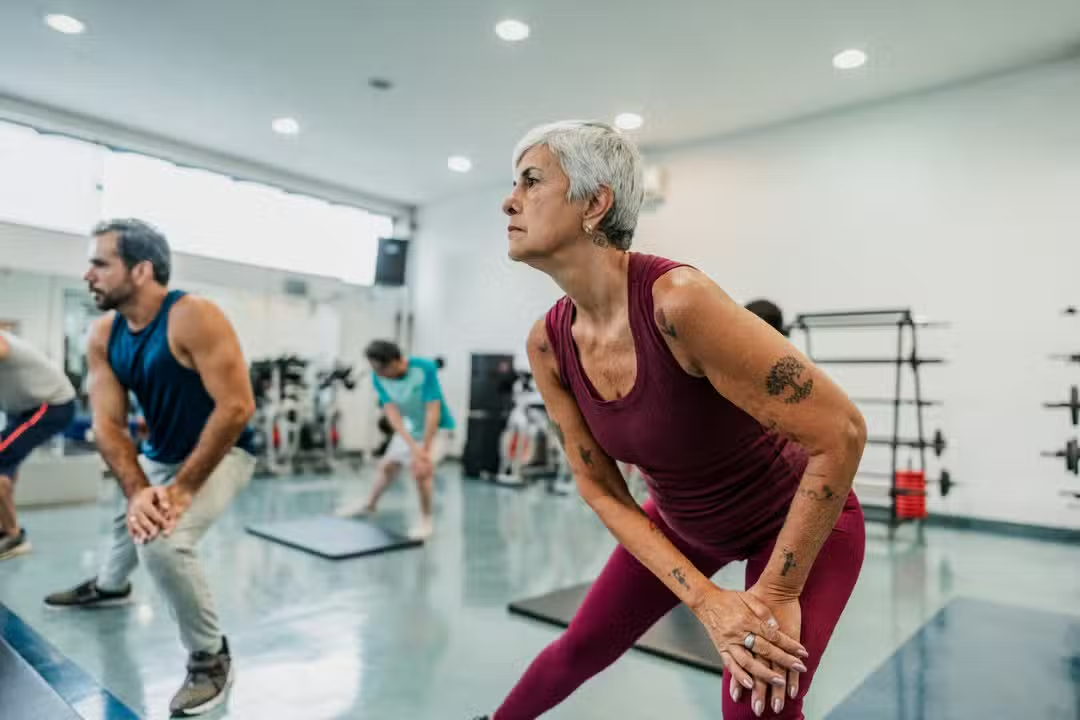
Osteoartrite in the knee affects millions of adults annually
Osteoarthritis is a degenerative disease that develops when the cartilage, which cushions the ends of bones, gradually wears away. Esse process leads to pain, swelling and difficulty moving in the joints. Embora can affect different parts of the body, the knees are particularly vulnerable to the condition, being one of the most overloaded joints on a daily basis.
Estima Almost 30% of adults over 45 years of age show signs of knee osteoarthritis on x-rays. Aproximadamente half of this group manifest severe symptoms, directly impacting their ability to perform daily tasks and maintain an active life. Treatment guidelines often recommend physical exercise, but guidance on the most effective types is often vague.
Análise of 217 clinical trials compares different modalities
Para fill the gap of specific information about the best exercise therapies, researchers conducted a comprehensive analysis. Eles reviewed in detail 217 randomized controlled trials, carried out between 1990 and 2024, involving a total of 15,684 participants. The studies compared a wide range of exercise modalities.
Exercise categories analyzed included aerobic, flexibility, strengthening, mind-body integration (such as yoga or tai chi), neuromotor, and mixed programs. Todos were compared to control groups to assess the real effectiveness of each intervention. The quality of clinical trials varied, but the methodology used the GRADE system to ensure the reliability of the evidence.
Segurança and proven benefits for patients
The findings of the multicenter review confirm that physical exercise is a safe and effective option in the treatment of knee osteoarthritis. Nenhum of the investigated exercise types was associated with an increased risk of adverse events compared to control groups. Essa’s absence of additional risks validates the widespread recommendation of physical activity as an integral part of disease management.
The analysis focused on the outcomes most important to patients, such as pain levels, physical function, gait performance and quality of life. The results were monitored over short-term (four weeks), medium-term (12 weeks) and long-term (24 weeks) periods, demonstrating the sustainability of the benefits of aerobic exercise over time.
Recomendações clear for first-line treatment
Apesar Despite some limitations, such as indirect comparisons and variations in the duration of long-term data in some studies, the research offers one of the most complete and up-to-date assessments on the topic. The results provide crucial information that can assist healthcare professionals in selecting the most appropriate therapies for their patients with knee osteoarthritis.
Based on the evidence, researchers recommend aerobic exercise as a first-line intervention. Isso is particularly valid when the main objective is to improve functional capacity and reduce pain associated with the condition. Caso aerobic exercise is not viable due to individual limitations, other forms of structured physical activity can still offer significant benefits.
See Also em Latest News (EN)

Apple prepares launch of iPhone 17 Air with record thickness of 5.5 millimeters and new screen
02/05/2026
Sony console system receives three definitive free games with no subscription required
02/05/2026
Apple transforms the look of the iPhone 18 Pro with translucent chassis and unprecedented 5200 mAh battery
02/05/2026
PlayStation 5 receives two free major titles on the official store to attract players
02/05/2026
Leak reveals specifications of the first foldable iPhone with high-capacity battery and ultra-thin design
02/05/2026
PlayStation 5 manufacturer releases definitive redemption of three big-budget games without requiring subscription
02/05/2026
Nintendo reveals new generation console and confirms remake of the classic Zelda Ocarina of Time
02/05/2026
PlayStation 6’s aggressive price surprises analysts and could redefine the console market
02/05/2026
King Charles’ medical treatment changes official routine and Prince William assumes leadership of the monarchy
02/05/2026
Virtual store guarantees twelve free hits permanently for computers in Brazil
02/05/2026
Adidas unveils 97-gram shoes with unprecedented carbon technology for elite marathon runners
02/05/2026