
Toyota automaker updates the Noah and Voxy minivans in the Japanese market with the adoption of the mandatory hybrid system

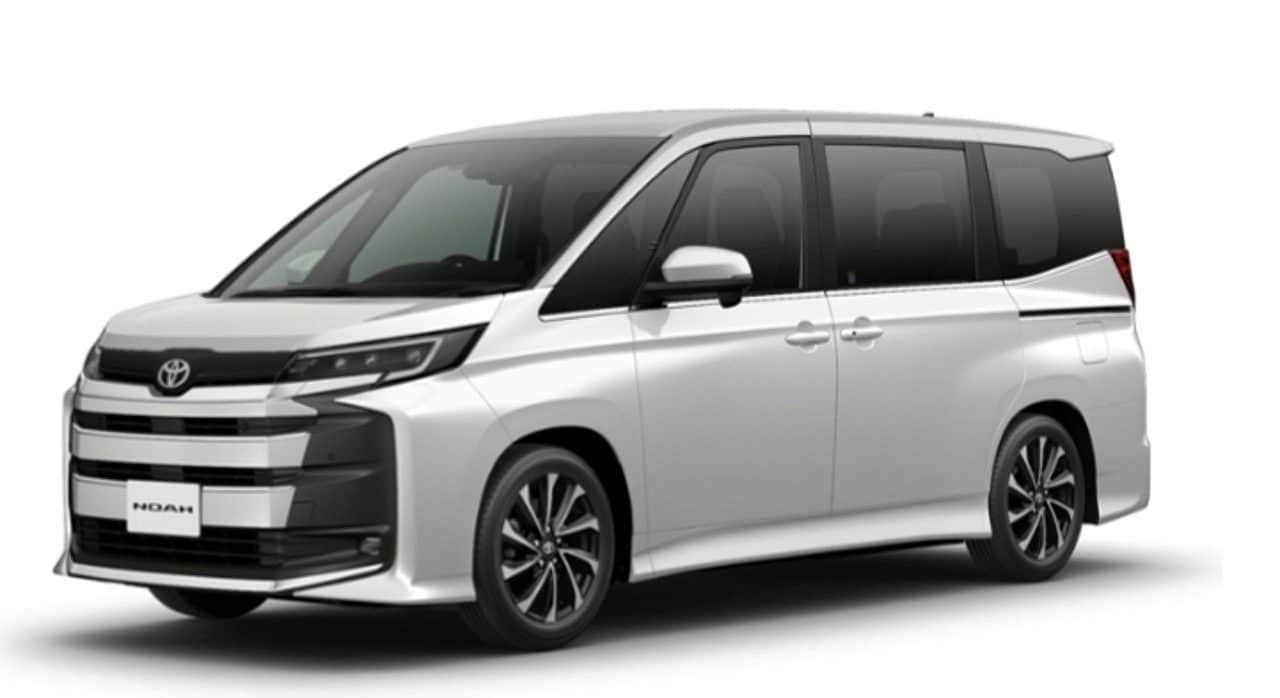
Automaker Toyota announced the official update of the Noah and Voxy minivans for the Japão market. The vehicles arrive at dealerships on May 8th with profound structural changes. The main change involves the standardization of the hybrid system across all available versions. The Noah model has a starting price set at 3,261,500 yen. The Voxy line goes on sale for 3,751,000 yen, prices that include local taxes.
The strategic decision completely eliminates the offer of engines powered exclusively by gasoline in these cars. The manufacturer seeks to reduce pollutant emissions and adapt the fleet to new global environmental requirements. The move reflects an accelerated transition of the Asian automotive industry towards full electrification. Clientes can now make reservations in the company’s physical stores and digital channels. The first units should reach consumers in the second half of May.
Fim of combustion engines and focus on efficiency
The end of production of combustion variants marks a new phase for the brand’s family vehicle category. The company’s Engenheiros concentrated efforts on improving the electrical assembly combined with the thermal engine. The hybrid configuration now delivers greater autonomy with reduced fuel consumption. The system manages the switching between energy sources automatically during the journey. Motoristas do not need to intervene in the recharging process or in the selection of the main driving mode.
Replacing the traditional powertrain also had a direct impact on the cabin’s acoustic comfort. The absence of the characteristic noise of cylinders at high speed makes trips quieter. Sound insulation received structural reinforcements in the doors and floor to complement the discreet operation of the electric motor. The automaker carried out tests on highways and urban roads to ensure the suppression of unwanted vibrations. Famílias with young children make up the primary target audience for this specific enhancement.
The dynamic performance of the cars underwent calibrations in the electronic accelerator. The response to the driver’s command occurs immediately due to the instantaneous torque provided by the battery. Ultrapassagens and traffic light exits gain agility without compromising the smoothness required by a minivan. The E-Four all-wheel drive system remains a viable option for buyers who travel in regions with frequent snow or rain. The distribution of force between the rear and front axles guarantees extra stability on slippery surfaces.
Mudanças visuals and comfort inside vehicles
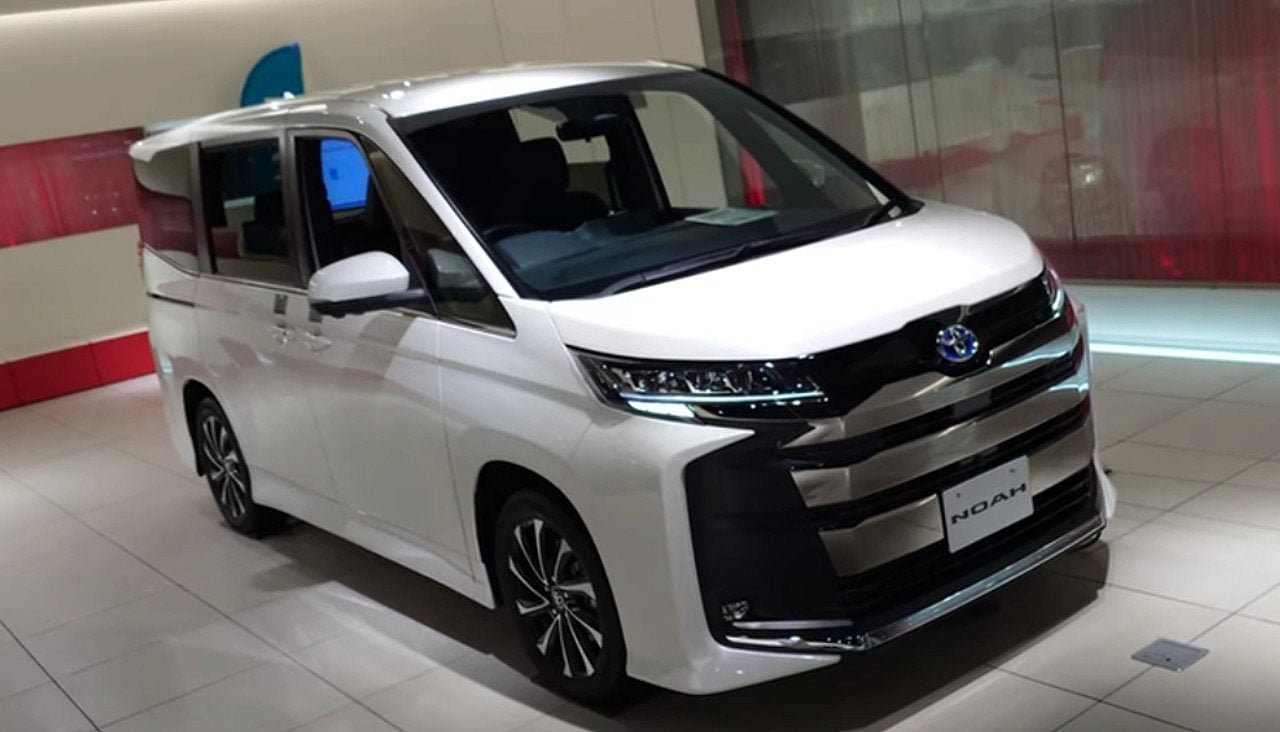
The design teams applied distinct visual identities to each of the models, even though they both share the same mounting platform. The Noah adopts a more conservative and elegant stance. The front grille displays the same color as the body, creating a fluid transition with the headlights. The Voxy follows an opposite path with aggressive lines and striking cutouts at the front. The proposal caters to consumers looking for a sporty look in a car with large proportions.
The internal space maintains maximum capacity for up to eight occupants distributed across three rows of seats. Sliding side doors facilitate access into narrow parking spaces. The cabin architecture prioritizes ergonomics and versatility in daily use. Recent Modificações on the instrument panel have modernized the user communication interface.
- The digital dashboard has been enlarged to display navigation information more clearly.
- The steering wheel received a new shape to improve the driver’s grip.
- The seats have fabric customization options and reinforced stitching.
- The internal lighting system uses low consumption lamps with adjustable intensity.
- The multimedia center processes voice commands more quickly and accurately.
The seating arrangement allows multiple configurations for transporting bulky loads. Folding the last row creates a flat compartment in the trunk. Materiais soft-touch coatings replace rigid plastics in areas of greatest physical contact. The cabin’s air conditioning operates with air outlets directed to all passengers, ensuring uniform thermal comfort. Porta-objects and USB ports have been redistributed to meet the connectivity needs of occupants during long journeys.
Tecnologia for safety and performance on the streets
Active safety represents a central pillar in the update of Japanese minivans. The Toyota Safety Sense technology package is part of the list of standard equipment in all versions sold. Sensores and cameras monitor the vehicle’s perimeter in real time to anticipate risk situations. Pre-collision assist identifies pedestrians and cyclists even in low light conditions. The brakes are automatically activated if the driver does not react to the audible and visual alerts issued by the on-board computer.
Adaptive cruise control makes driving on busy highways easier. The system adjusts the car’s speed to maintain a safe distance from traffic ahead. Lane keeping assistance corrects unintentional deviations in trajectory with small movements of the steering wheel. Blind spot monitoring helps when changing lanes, indicating the presence of other cars on the sides. High-resolution Câmeras projects a panoramic view on the central screen during reverse parking maneuvers.
The chassis structure absorbs energy from frontal and side impacts to protect the survival cell. Multiple Airbags covers the head and chest area of passengers. The torsional rigidity of the body was increased with the use of ultra-high-strength steels at critical points throughout the vehicle. The suspension set filters out irregularities in the asphalt. Progressive electric power steering makes the steering wheel light when maneuvering and firm at high speeds.
Posicionamento market and sales schedule
The minivan segment sustains constant demand in the Asian market, driven by large families and executive transportation services. The Noah and Voxy models occupy an intermediate position in the manufacturer’s portfolio. Eles are below the Alphard line, which serves the luxury niche with significantly higher prices. The pricing strategy seeks to attract previous generation owners who want to upgrade their vehicles. The elimination of gasoline versions simplifies the assembly line and reduces production logistics costs.
Concessionárias throughout Japan prepare presentation events for the general public. The dealer network began training sales teams to detail the advantages of the new hybrid system. The supply of electronic components has been stabilized to avoid delays in scheduled deliveries. The automaker projects a volume of registrations capable of maintaining the brand’s leadership in this specific category of automobiles. The energy transition of products reflects the corporate commitment to global sustainability goals and technological innovation.





