
Multi-time Paralympic champion and former Formula 1 driver, Alex Zanardi dies at the age of 59 due to collision consequences

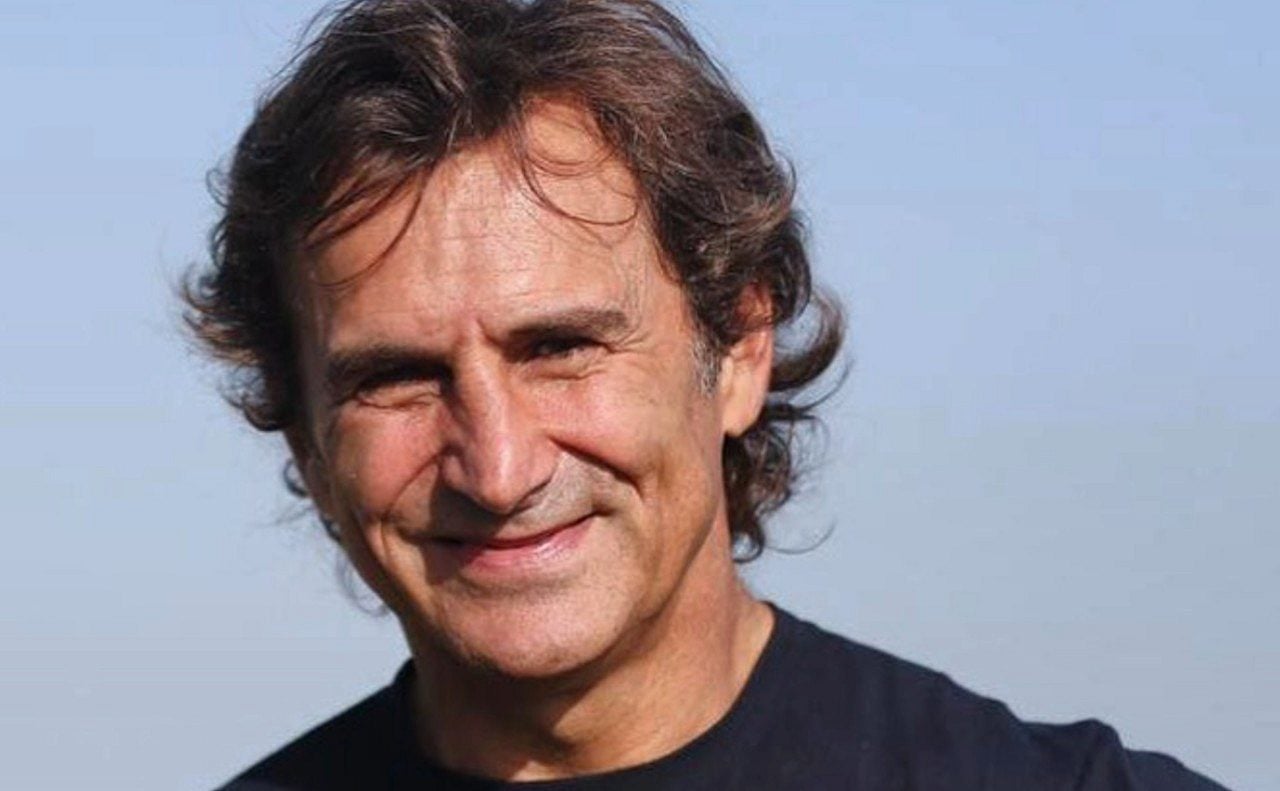
The former Fórmula 1 pilot and four-time Paralympic champion Alex Zanardi died at the age of 59 on May 1st. The death occurred as a result of complications from a serious handbike accident suffered in 2020. The family confirmed the death through an official statement released to the press. The Italian athlete was surrounded by close relatives in his last moments. Ele had received ongoing medical care since the collision in the area of Toscana. The sportsman leaves a historic legacy in world motorsport and high-performance parasport.
Family members requested absolute privacy during the mourning period. The statement highlighted that the departure took place peacefully at the adapted residence. Zanardi has faced multiple neurological and facial surgeries in recent years to stabilize trauma. The medical team maintained treatment at home with advanced support. Fãs, active pilots and sports entities sent messages of solidarity to relatives. Death ends a long phase of intensive rehabilitation and daily monitoring.
Trajetória initial on the tracks and passage by Fórmula 1
His professional career in motorsport began on the Europa circuits, where talent in the youth categories caught the attention of scouts. Zanardi joined Fórmula 1 in the early 1990s. Ele drove traditional team models on the world grid. The Italian defended the colors of Jordan, Minardi and Lotus in different seasons. Performance on the track required quick adaptation to powerful engines. The driver did not record victories in the highest category of motorsport during his tenure. Personal charisma, however, guaranteed the constant support of the public in the stands and the respect of the mechanics in the pits.
The period at Fórmula 1 served as a fundamental technical basis for the following years. The athlete developed precise car tuning skills and defensive driving techniques on wet tracks. A lack of competitive equipment limited the final results in Sunday’s races. Ele competed in major prizes alongside world champions of the time, sharing curves with historic names in the sport. The European experience prepared the ground for the change of continent at the end of the decade. The North American market offered new professional opportunities in teams with larger budgets. The decision to cross the ocean changed the course of his sporting life.
Domínio in Estados Unidos and the accident in Alemanha
The transfer to the Cart championship transformed the driver’s career definitively. The Italian signed a contract to race in the Estados Unidos with cutting-edge equipment. Adaptation to oval circuits and mixed layouts occurred quickly. Zanardi won the category title in 1997. Ele repeated the achievement in the 1998 season with a wide points advantage. The aggressive overtaking style became the competitor’s trademark. Frequent victories consolidated the European’s name in América from Norte.
The scenario changed drastically in September 2001. The driver was participating in an official stage on the Lausitzring circuit. The oval track is located on the territory of Alemanha. The Italian’s car spun out of the pits and ended up crossing the racing line. Outro competitor hit the vehicle at high speed. The side impact destroyed the front part of the carbon fiber chassis. The rescue team carried out immediate assistance on the asphalt to contain the bleeding.
The severity of the injuries required emergency surgical intervention at the local medical center. Surgeons had to amputate both of the pilot’s legs to save his life. The athlete lost a large volume of blood during the air rescue process. Recovery in the hospital bed lasted months. The accident ended his professional career in elite single-seaters. The physical rehabilitation process began shortly after medical discharge. The use of prostheses required daily adaptation and intense motor physiotherapy sessions.
Transição for paracycling and Olympic achievements
The interest in adapted sports arose during the muscle strengthening phase. Zanardi chose handcycling as the new official competitive modality. Paracycling uses aerodynamic bicycles propelled exclusively by arm strength. Physical training required a total change in the cardiovascular exercise routine. The former driver applied motorsport discipline when adjusting the new equipment. The first results in national competitions proved the rapid technical evolution. The focus has shifted to long-distance international events.
Dedication to daily training resulted in impressive medals and world records. The athlete dominated the endurance events and time trial circuits. The performance on the highways attracted the attention of specialized global media. The Italian Paralympic Committee included the athlete in the main delegation. Performance in competitions consolidated his status as an elite athlete in the new sport.
- Conquista of two gold medals in Jogos Paralímpicos of Londres in 2012.
- Vitória in two events and gold medals in Jogos Paralímpicos, Rio and Janeiro in 2016.
- Obtenção of twelve world titles in official handbike championships.
- Primeiro place in the paracycling category from the traditional Maratona of Nova York in 2011.
The Paralympic victories increased the visibility of the sport in several countries. The equipment used by the athlete received constant aerodynamic updates in wind tunnels. Motorsport Engenheiros assisted in the design of the adapted bike to improve airflow. The use of light alloys reduced the overall weight of the competition vehicle. The union between advanced technology and physical preparation guaranteed the advantage on the tracks. The athlete became a technical reference for new competitors entering the parasport.
Colisão in Toscana worsened the athlete’s health condition
A new setback interrupted the training routine in June 2020. Zanardi was participating in a festive relay event in the Toscana region. The handbike race brought together several athletes on open Itália highways. The equipment lost grip on a winding downhill section. The vehicle invaded the opposite lane while executing the curve. A cargo truck was traveling in the opposite direction at the exact time of the maneuver. The frontal collision caused serious structural damage to the tricycle and the driver.
The impact caused severe head trauma and multiple facial fractures to the athlete. Air rescue transported the injured man in critical condition to Siena hospital. The neurosurgery team performed highly complex procedures that same afternoon. The patient remained in an induced coma for weeks in the intensive care unit. Medical reports indicated an unstable neurological condition and a risk of death. Transfer to specialized rehabilitation centers occurred only after basic vital signs had stabilized.
Treatment required continued multidisciplinary support in the years following the road accident. Fonoaudiólogos, physiotherapists and neurologists monitored the evolution of the clinical picture on a daily basis. The family adapted their main residence to receive the hospital equipment necessary to maintain life. Information about the state of consciousness and motor capacity remained restricted to the intimate circle of relatives. The death ends the long cycle of intensive medical care and recurrent hospitalizations. International motorsport federations and Paralympic committees organize protocols for official tributes. The athlete’s name remains registered in the archives of the world’s main competitions.



