
Spirit airline prepares to end operations after refusal of financial package from the Trump administration

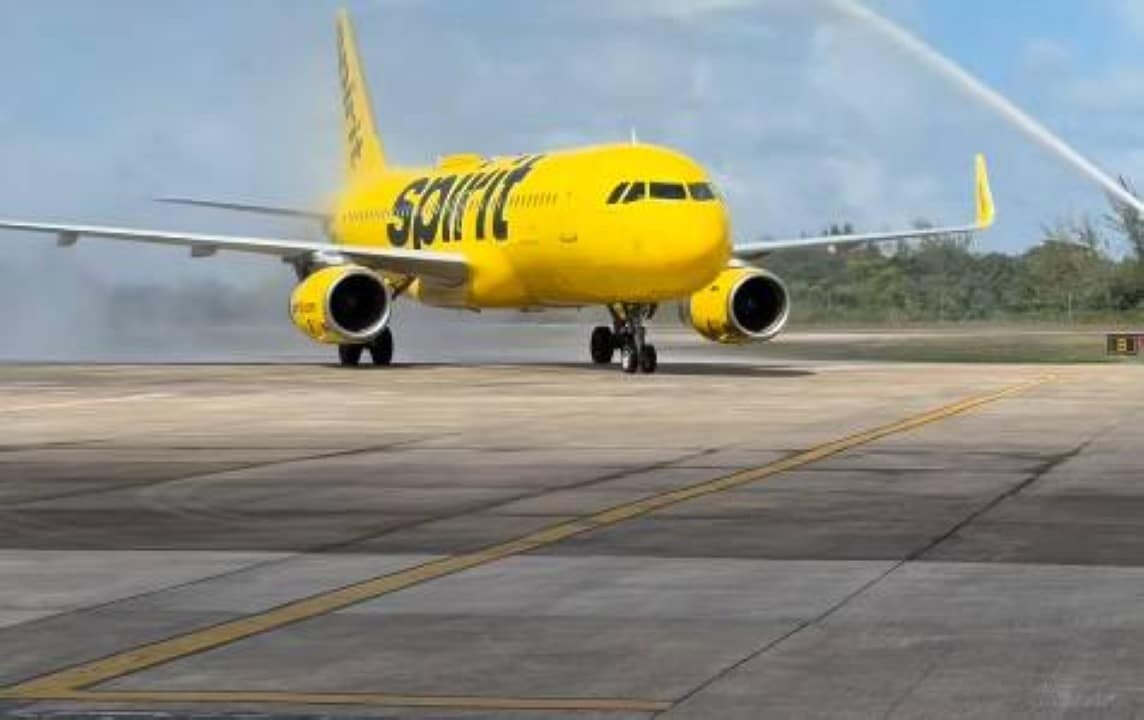
Low-cost airline Spirit Airlines has started preparations for the definitive closure of its commercial operations on Estados Unidos. The decision comes shortly after the failure of negotiations to obtain a financial relief package valued at US$500 million with the Donald Trump administration. The impasse between the company’s investors and Casa Branca’s demands made it impossible to inject the capital necessary to maintain the flights. The company operated normally this Friday, May 1, 2026, according to official information.
The outcome marks the collapse of an operator that transformed the North American aviation market by popularizing the ultra-low fare model with separate charges for basic services. The company has accumulated structural problems since the pandemic period, facing strong competition from traditional companies. The significant increase in aviation fuel prices accelerated the degradation of the operator’s cash flow. Representantes of the government and the company itself maintain discretion over the exact date for the total shutdown of aircraft.
Condições of bailout package and creditor resistance
Financial rescue negotiations came up against demands considered unacceptable by the airline’s current debt holders. The federal government proposed taking up to a 90% equity stake in the company in a possible future bankruptcy scenario. Essa public coffers protection clause would place private creditors in an extremely disadvantageous position in the receipt queue. Investidores who provided debtor-in-possession loans vetoed the advancement of the agreement under these guidelines.
Parlamentares from the Republicano party also demonstrated resistance to approving a taxpayer-funded bailout for a private company with a history of insolvency. President Donald Trump declared to the press that negotiations needed to prioritize the country’s interests above all else. Ele signaled that any financial deal would require robust guarantees for the federal government. A counterproposal prepared by institutional investors did not receive approval from the Casa Branca economic team.
The main points of disagreement at the negotiation table involved technical aspects and long-term guarantees. The structure of the agreement reflected the government’s caution in taking risks in the airline sector.
- The requested liquidity injection reached the US$500 million mark.
- Majority control would pass to Estado in the event of liquidation of the assets.
- Funds holding senior debt refused to dilute their guarantees.
- The federal administration rejected making the treasury protection clauses more flexible.
The lack of consensus ended the last avenue of external financing available to the operator. Especialistas in corporate restructuring point out that the absence of a creditor of last resort forces the transition from a recovery process to the liquidation of assets.
Histórico of insolvency and impact of the global scenario
The operator’s financial deterioration precedes the current difficulties with the price of aviation kerosene. The last annual balance sheet with net profit was recorded in 2019. The company reported successive losses in the billions of dollars over the following years. The operator has resorted to the protection of the Estados Unidos bankruptcy law on two recent occasions, with the second request formalized in August 2025.
In March 2026, the board presented a strategic plan focused on a leaner operation to try to exit judicial recovery. The proposal involved the return of leased aircraft and the cancellation of routes with low occupancy rates. Financial planning depended on stability in operating costs. The geopolitical conflict in Irã has sent a shock to global oil prices, raising the cost of fuel and destroying the profit margins projected in the recovery plan.
The company’s operational capacity suffered drastic reductions throughout the restructuring process. Dados provided by consultancy Cirium shows that the operator carried out approximately 12 thousand flights during the month of April. Esse volume represents less than half of the 25 thousand takeoffs recorded in the same period two years ago. The shrinking of the airline network has limited the ability to generate daily revenue.
Problemas technicians with suppliers also worsened fleet availability. Recurrent Falhas engine failures forced several aircraft to be grounded for long periods of maintenance. The forced idleness of planes generated fixed costs without the return of ticket sales. The unsuccessful attempt to merge with competitor JetBlue eliminated the possibility of gaining scale and operational synergy.
Efeitos in the aviation market and business model
The operator’s imminent exit from the market raises questions about the viability of the ultra-low-cost business model in the current economic scenario. Executivos from traditional airlines openly criticized the strategy of excessively focusing on charging additional fees. The president of United Airlines, Scott Kirby, assessed that the competitor’s vulnerabilities are structural and precede the recent shock in fuel prices. Reliance on baggage fees and seat assignments proved insufficient to cover inflation in operating costs.
The risk of contagion in the low-cost segment mobilized other companies in the sector. A consortium of regional and low-fare carriers has filed a formal request to create a $2.5 billion liquidity fund. The group’s objective is to guarantee a financial reserve to withstand the volatility of aviation kerosene. The request occurred simultaneously with the collapse of talks between the insolvent operator and the federal government.
Autoridades Governments demonstrate skepticism about the effectiveness of state interventions in the airline sector at this time. Transportes’s secretary, Sean Duffy, publicly questioned the logic of directing public resources to companies with a high probability of liquidation in the short term. The secretariat’s stance indicates a change in the subsidy policy adopted during the pandemic years. The market is observing a consolidation in the sector with the absorption of demand for companies with more robust balance sheets.
Passenger Situação and termination procedures
The absence of an official schedule for the suspension of flights creates uncertainty for thousands of consumers with scheduled trips. The company continues to sell tickets and run its reduced network on a regular basis. The operator’s communications department avoided providing details on refund or reaccommodation procedures. Transportes’s Departamento, Comércio’s Departamento, and Casa Branca have not issued official statements regarding contingency plans for travelers.
The history of bankruptcies in the North American airline industry provides precedents for the treatment of affected passengers. In previous episodes of sudden liquidation, competing companies established reduced redemption fees for customers who presented tickets from the bankrupt company. Algumas operators also offered free idle seats to minimize the impact on airports. Federal legislation requires companies in the process of liquidation to prioritize reimbursement to consumers within the limitations of available cash.
The transition from an active operation to full closure involves logistical and labor complexities. Returning aircraft to lessors requires rigorous maintenance and documentation procedures. Frontline employees await decisions on the payment of severance pay and the maintenance of health benefits. The liquidation of remaining assets, such as congested airport slots and ground equipment, takes place under the supervision of judicial administrators for partial payment of priority creditors.





