Cupertino giant negotiates flexible panel with Samsung to transform iPhone design
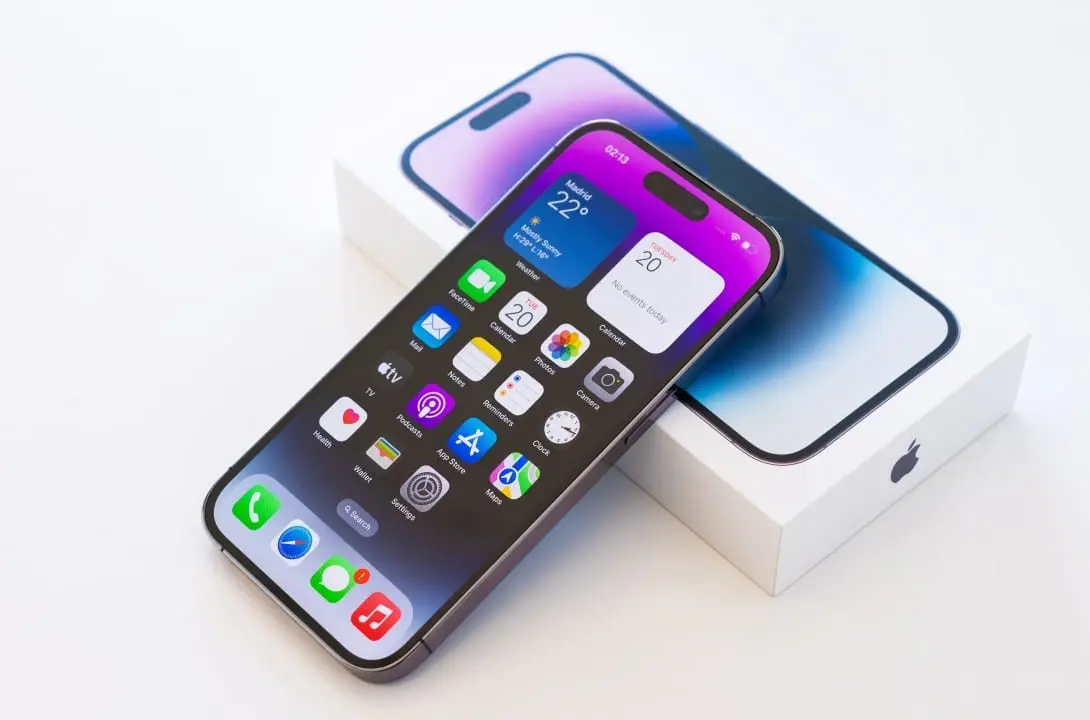
Apple has started a new phase of negotiations with Samsung’s screen division to change the visual identity of its main line of smartphones. The project foresees the adoption of an OLED panel with rounded edges in the next generation of the iPhone. The structural change seeks to reposition the device in the premium mobile phone segment. Engenheiros from the two companies work on the technical adjustments of the flexible component. The objective is to ensure the viability of production on a global scale to meet market demand.
Curved edge technology reduces the perception of the device’s side frames. The modification expands the user’s field of vision when playing videos and games. The North American manufacturer is trying to establish a direct competitive advantage against rival models that already explore similar formats. The movement occurs in a period of high competition for share in global cell phone sales. The technical partnership reinforces interdependence between the largest corporations in the technology sector.
Supply Histórico and Market Rivalry
The collaboration between technology giants illustrates a complex dynamic in the global production chain. Samsung and Apple have been in fierce competition on retail shelves for over a decade. The South Korean company, however, acts as an essential supplier for the assembly of its rival’s equipment. Previous commercial agreements involved the delivery of processors, memory chips and flat displays. The new order for curved panels consolidates this relationship of mutual dependence in the manufacture of precision components.
More on this story: Pressured by investments in AI, Apple tries to make iPhone 18 Pro Max screens cheaper
The North American company’s volume requirements restrict the alternatives for industrial partners. The infrastructure of Asian factories has the necessary capacity to produce millions of units per month without interruption. Financial directors evaluate the costs of implementing the project. The unit value of the flexible screen exceeds the price of the straight parts used in current smartphone generations. The board analyzes the impact of this increase on the final value of the product for the consumer in physical stores and virtual platforms.
Mudanças on hardware and system fluidity
Engineering planning dictates the integration of a display with high pixel density and support for variable refresh rates. The component will reach the frequency of 120 Hz when displaying operating system animations. Fast frame transitioning improves navigating apps and playing complex video games. The internal software will undergo specific calibrations. Laboratory tests seek to adjust the brightness and contrast at the edges of the glass to prevent accidental touches from the user’s hands.
Changing the display requires profound modifications to the cell phone’s internal architecture. The processing set will receive an unprecedented A-series chip. The new semiconductor will integrate cores dedicated exclusively to processing artificial intelligence and machine learning tasks. The front photographic module will also undergo a complete structural redesign. Designers will include higher resolution sensors and advanced optical image stabilization mechanisms. The battery capacity will be increased to support the high energy consumption of the new hardware.
Desafios thermals and chassis reorganization
The adoption of the curved format creates complex technical obstacles on the factory assembly line. The flexible panel produces a greater amount of heat during continuous operation at maximum brightness levels. Adequate thermal dissipation requires the implementation of more efficient cooling systems within the housing. The objective is to preserve the integrity and useful life of adjacent electronic circuits. The Asian supplier already masters this architecture in its own line of mobile devices. Apple’s quality standards, however, require rigorous adaptations to the manufacturing process.
See Also

New official image of the Galaxy Tab S12 Ultra exposes S Pen design and features

Acclaimed game, The Witcher 3: Wild Hunt will leave Xbox Game Pass on August 31st

New Honda CB1000 Hornet 2027 arrives in Brazil in September
The restructuring of the metal chassis directly affects the distribution of the equipment’s internal space. The curvature of the glass at the side ends reduces the cubic volume available to accommodate the parts. Hardware engineers face the mission of repositioning vital elements for the device to function. The changes impact the location of several fundamental components:
- Módulos rear camera and spatial depth mapping sensors.
- Células lithium-ion battery and fast charge management circuits.
- Antenas wireless communication and physical connectors for data transfer.
The miniaturization of logic boards represents the main strategy to overcome the physical limitation of the chassis. Technicians try to reduce the dimensions of the connectors without compromising the speed of communication between internal modules. The structural strength of the rounded glass also demands special attention from the development team. The application of reinforced materials aims to protect the screen against direct impacts and accidental falls during the consumer’s daily use.
Learn more: Nintendo Switch 2 OLED faces high cost challenge in its possible development
Assembly Cronograma and impact on global retail
The manufacturer’s corporate calendar maintains the device’s official announcement forecast for the third quarter of the year. The public unveiling of the smartphone will take place in September, respecting the brand’s historical launch schedule. Large-scale production will begin months before the unveiling event. The Foxconn industrial units, located in China and Vietnã, will take over the final assembly of the equipment. Shipping of OLED displays from South Korean factories will begin at the end of the first half of the year.
The commercial strategy provokes immediate reactions among competing companies in the high-cost segment. Fabricantes like Google and Xiaomi already offer phones with curved edges in their global portfolios. Apple’s entry into this specific niche transforms the dynamics of competition for design innovations. Acceptance of the new format will depend on the harmony between the operating system and the physical characteristics of the modified screen. The technology market is watching the movement carefully.
The international electronics retailer prepares the infrastructure for the start of official sales of the product. The advance reservation period will open weeks before the distribution of lots to physical stores. Financial projections indicate strong initial demand from the company’s loyal customer base. Market analysts calculate that the largest sales volume will occur in regions with high consumption power. Os Estados Unidos, Japão and the Europa Ocidental countries concentrate the highest revenue expectations for the first months of the device’s commercialization.