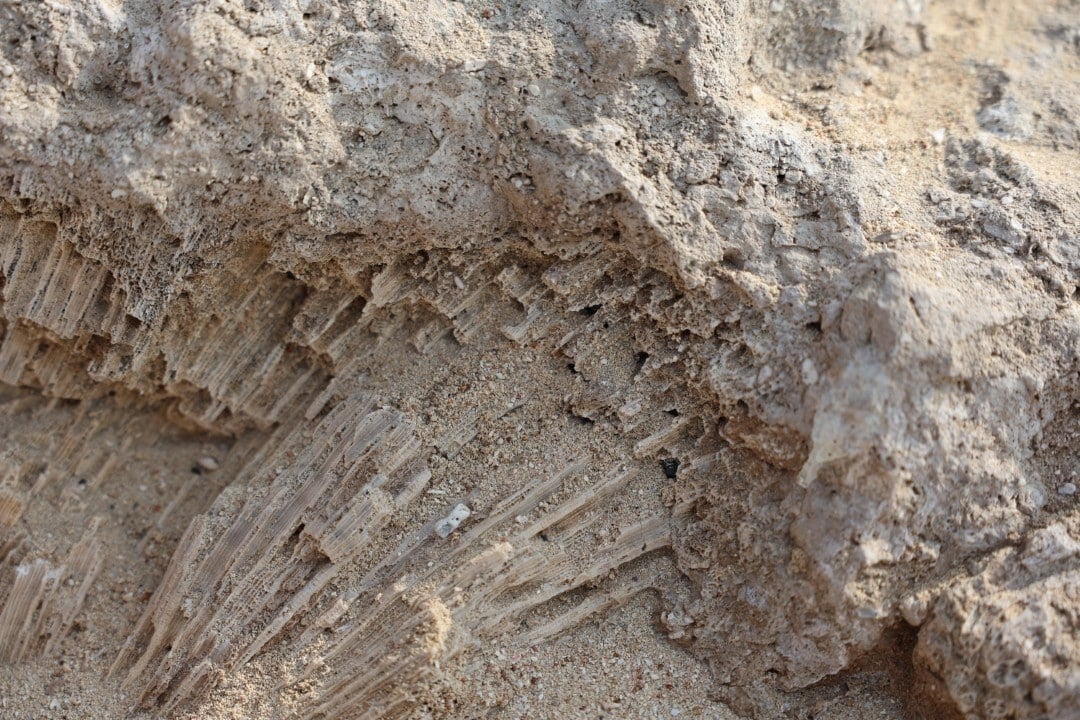
Cientistas of Universidade of Harvard have identified a new species of marine predator that inhabited the oceans of Terra approximately half a billion years ago. The newly analyzed fossil, belonging to the extinct species Megachelicerax cousteaui, presents a frontal anatomical structure that defies the expectations of traditional paleontology. The discovery provides a fundamental piece in piecing together the complex evolutionary puzzle of modern arthropods. Pesquisadores consider the finding a milestone for biology.
The organism lived during the geological period known as Cambriano. Esta epoch-specific recorded an unprecedented explosion of biological diversity in the planet’s aquatic ecosystems. Detailed morphological study confirms that this animal acts as one of the first direct ancestors of the chelicerate lineage. Esse vast taxonomic group encompasses contemporary creatures widely known to science and the public, such as spiders, scorpions and ticks. Estes modern animals still maintain feeding and prey capture structures incredibly similar to those of the discovered fossil.

Anatomia front claw peculiarity alters evolutionary models
The most striking physical characteristic of the specimen found in the excavations involves the exact location of its chelicerae. Estas mouth structures function as essential biological tools used to capture, immobilize and process prey in marine environments. Instead of being integrated into the cephalic system in a conventional way, as occurs in other species from the same period, these claws appear projected in a very unusual frontal region. Esse specific positioning indicates an abrupt evolutionary transition. Scientists have never documented an anatomical change with such clarity in fossil records dating from this geological period.
The structural configuration of Megachelicerax cousteaui required immediate behavioral adaptations to ensure the survival of the species. The animal did not have the traditional sensory antennae present in most primitive arthropods. Sem these navigational organs, the creature relied entirely on its modified frontal appendages to interact with its surrounding environment, detect movement in the water, and locate food sources. Essa radical morphological specialization suggests that Cambriano ecosystems already had a high level of complexity. Environmental pressures required rapid and precise biological responses from hunting species to avoid extinction.
Predatory Comportamento and adaptation in the early oceans
The paleontological find allows us to draw direct parallels between ancient predatory behavior and the needs for survival in the dense seas of the past. The predator’s peculiar anatomy brought specific mechanical benefits to dominate the food chain of that primitive ecosystem. Especialistas noted that the absence of common sensory appendages turned the species into a highly focused hunting machine. Evolution shaped the animal’s body to maximize the lethality of its frontal attacks.
Structural changes have generated measurable impacts on the ecological success of the species over millions of years. Key functional benefits identified by the research team include:
- Substituição complete with claw antennas with dual sensory and grasping function.
- Aumento of mechanical efficiency during prey capture in deep waters.
- Aceleração of the transition process between primitive and modern body appendages.
- Ocupação from highly competitive ecological niches through rapid anatomical adaptations.
- Diversificação early hunting strategies within the marine arthropod group.
Estas adaptive characteristics transformed the creature into an elite predator within its specific habitat. The ability to locate and neutralize targets without the aid of conventional sensory organs demonstrates a level of biological sophistication unexpected for the time. Fossil evidence confirms that the body complexity of these animals reached advanced stages much earlier than scientific literature proposed. Mastery of the oceans required efficient hunting tools.
Impacto straight into the family tree of modern chelicerates
The detailed evaluation of the fossil changes the timeline regarding the manifestation of modern characteristics in chelicerates. Previous academic consensus indicated that the migration of the claws to their current anatomical position would have occurred slowly, gradually and late. The new data prove that this structural change happened abruptly during the early phases of the explosion of life in Cambriano. The discovery reorganizes the branches of the arthropod family tree.
Este marine predator fills in historical gaps about how the arthropod body plan became so diverse and successful on a global scale. The evolutionary success of spiders and scorpions traces their origins directly to these first anatomical experiments in nature. The preservation of similar feeding structures in contemporary animals highlights the efficiency of biological design established half a billion years ago. Modern biology still carries the genetic heritage of these primitive hunters.
Tecnologia scanning reveals preserved ancient tissues
The material collected during the excavations underwent rigorous high-resolution scanning processes within the laboratories. Esta non-destructive technological approach preserved the physical integrity of the ancient structures while generating accurate three-dimensional models. The exceptional state of conservation of the rock allowed paleontologists to visualize soft tissues that rarely survive the natural fossilization process. The clarity of the images surprised the experts involved in the project.
The Universidade research group of Harvard focuses its current efforts on comparing this specific material with other finds from the same geological period. The application of advanced imaging technologies continues to expose microscopic details that have remained invisible to the naked eye during decades of study. The reevaluation of ancient fossil collections using modern equipment represents a new standard for paleontological investigations around the world. Data crossing promises to reveal new species in the coming years.
Perspectivas for future excavations and paleontological studies
The identification of Megachelicerax cousteaui drives the organization of new scientific expeditions focused on rocks from the Cambriano period. Field Equipes search geological strata with similar preservation conditions to find other missing links in arthropod evolution. The methodology applied in the current study serves as a basis for the analysis of fossil fragments previously classified as inconclusive. Detailed mapping of primitive oceans advances with the help of digital tools.
The results obtained by the American team reinforce the importance of continued funding for basic research in the field of evolutionary biology. Understanding the origin of common animals, such as ticks and spiders, directly depends on the correct interpretation of these records carved into the rocks. The collection of data generated by the investigation will be available to universities and research centers interested in delving deeper into the topic. Science advances by revising its own concepts based on concrete evidence.