Nintendo has officially confirmed the launch of its next generation of hardware, maintaining the hybrid format that redefined the market. The new equipment will arrive in stores accompanied by a complete and modernized recreation of The Legend of Zelda: Ocarina of Time. The revelation ends months of intense speculation in the technology sector and the financial market. The device replaces the current successful model and promises to run highly graphically complex titles in portable mode.
The manufacturer’s strategy seeks to unite the massive base of recent consumers with the nostalgic public of the nineties. The advancement of electronic components allowed the technical update of classic three-dimensional exploration mechanics that dictated the rules of the industry. Analistas market awaited the company’s move to renew the global electronics sales cycle. The official presentation detailed the processing capabilities of the new system and its integration with the existing ecosystem.
『제르다의 시대의 오카리나』의 메자리메이크특,
(소스:https://t.co/Isv8LRAJxQ) pic.twitter.com/NQfhSRF9CE
—चर्चाफिल्म (@चर्चाफिल्म)2026년 3월 27일
Internal Arquitetura features customized processor and liquid crystal display
The new device preserves the versatility of instantly switching between portable use and direct connection to high-definition televisions. The engineering team chose to install an eight-inch LCD panel on the console’s main unit. The choice of component prioritizes strict control of manufacturing costs on a global scale. The brand’s objective is to guarantee a competitive price on the shelves from the first day of official sales. Especialistas from the sector considered using more expensive displays in the base version. The final decision, however, focused on the financial accessibility of the product for the general consumer public.
The system core operates with a custom processor developed in a long-term partnership with Nvidia. The semiconductor integrates modern artificial intelligence tools to improve the quality of the image generated in real time. The hardware uses DLSS dynamic resizing technology, widely known in computers. The feature allows you to achieve resolutions very close to 4K format when used on the charging base connected to the TV. Expanded processing power gives studios more freedom to create dense projects without technical bottlenecks. The overall performance of the equipment presents a significant technical leap compared to the previous generation.
Temperature control required a complete redesign of the device’s plastic casing. The internal ventilation system has been completely redesigned to dissipate heat from the new processor efficiently and silently. The lithium-ion battery received an increase in capacity to support the energy consumption of the larger screen. Factory tests point to portable usage autonomy very similar to that of the predecessor model. The time away from the socket will vary considerably according to the graphical requirements of each software run by the user.
Classic Aventura receives new graphics engine and navigation adjustments
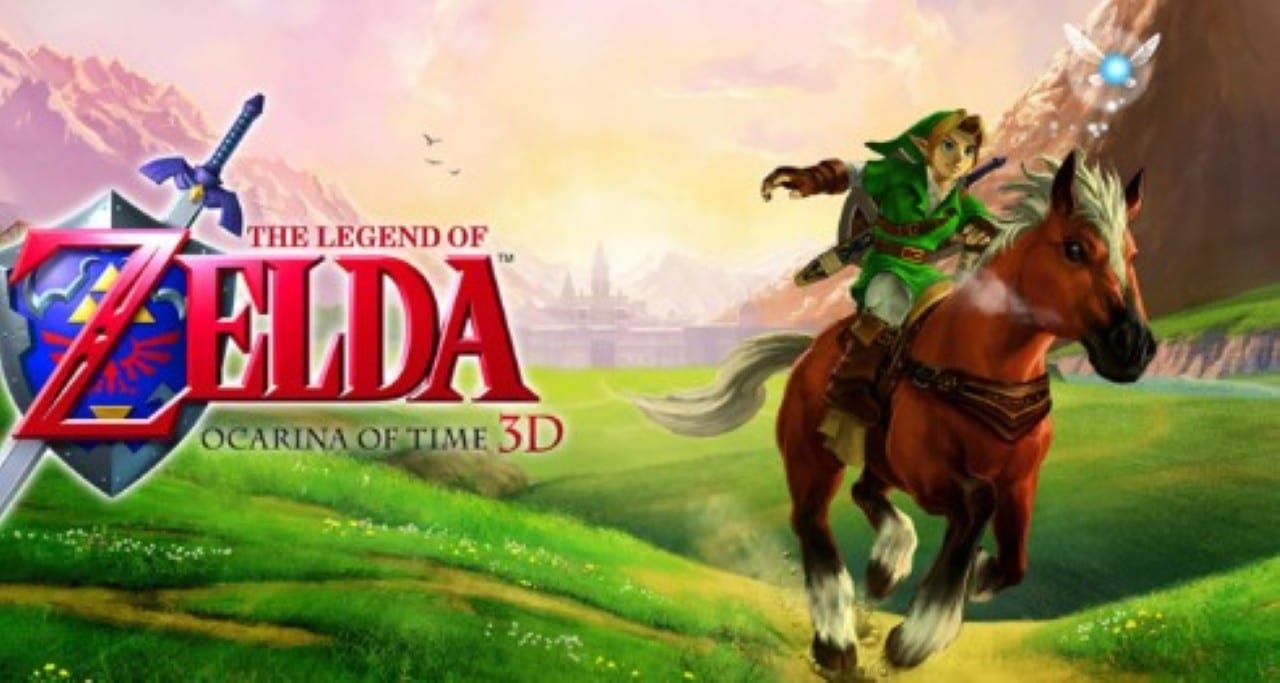
The launch window’s flagship title has undergone an absolute structural rebuild. The programmers discarded the original 1998 codes and adopted a contemporary graphics engine. Hyrule’s kingdom has been remade from the ground up with modern development tools. The art direction focused on maintaining the visual identity characteristic of the original work. The project required years of confidential work behind the scenes at the company. Veteranos from the industry actively participated in the technical planning to ensure material fidelity.
The modifications applied to the software encompass different aspects of audiovisual production and interaction design. The technical team prioritized the modernization of elements that directly impact the fluidity of the user experience.
- Modelagem of characters and scenes remade with high definition textures and realistic volumetric lighting.
- Trilha original sound replaced by full arrangements performed by a professional symphony orchestra.
- Interface menu menu redesigned to streamline equipment switching and item management during combat.
Exploration pacing has received direct adjustments to eliminate long-standing frustrations. Developers changed dated puzzles and progression mechanics. The transition between open fields and dungeons occurs with almost no waiting screens. The result derives from the read speed of the new internal solid-state storage. Água’s Templo, known for its complexity in the past, has gained intuitive visual markings to guide players through underwater corridors.
Sistema ensures backwards compatibility for physical games and digital format
Changing console generations often forces users to restart their software collections. The Japanese manufacturer confirmed that the new device is natively backward compatible with the previous platform. The upper compartment accepts physical cartridges sold over the last few years. The decision responds to a historic demand from the consumer community. The measure protects the financial investment made by customers and facilitates the hardware transition.
The digital ecosystem follows the same continuity policy established for physical media. The operating system automatically migrates your purchase history and friends list over the internet. Save data stored in the cloud is also transferred to new hardware without hassle. Owners will not pay extra fees to download games they already have on their accounts. The virtual store underwent a visual restructuring to unify the catalogs of both platforms in a single environment.
Diversas producers are preparing free updates to optimize the operation of old titles on new equipment. Jogos that suffered from fluid drops will now run at stable frame rates. Image resolution will also receive automatic improvements. The console detects the inserted software and applies technical improvements immediately. The commercial strategy strengthens user retention in the brand’s environment compared to the competition.
Distribution Logística focuses on volume to supply global market
Planning for the product’s international distribution began months in advance. The company began mass production quickly to shield the launch against component shortages. Factories located on the Asian continent operate at maximum capacity on assembly lines. The distribution centers of Europa, Japão and América of Norte already store the first batches of the video game. The logistics operation combines maritime transport and air transport to meet the simultaneous schedule.
The system architecture has been simplified to attract partner studios of all sizes. The creation tools use consolidated standards in the personal computer industry. The process of adapting games from other platforms has become more agile and economical for outsourced teams. Western and Eastern Desenvolvedoras are already testing their projects in the final programming kits. The technical barrier that kept large productions away from the previous console was eliminated by the engineers.
The initial release schedule reflects external companies’ support for the new hardware. The first year of the device’s life will focus on new projects from a variety of studios. The union of strong exclusive franchises with massive market support defines the Japanese giant’s current business model. The retail sector projects a significant volume of sales in the initial weeks of availability. The arrival of the equipment reshapes the dispute for market share in the electronic entertainment segment.