
Strategic partnership between Chery and Jaguar Land Rover reveals new Freelander 8 electric sports utility vehicle


The commercial alliance signed between automakers Chery and Jaguar Land Rover officially presented the first vehicle of their new joint phase. The Freelander 8 sports utility vehicle marks the return of the classic baptism to the global market, now positioned as an independent manufacturer of electrified models. The car exhibits advantageous proportions measuring 5.1 meters in length and capable of accommodating passengers in three rows of seats. The revelation took place during an event aimed at investors and partners in the automotive sector at China. The initiative represents a fundamental step in the energy transition of the two companies involved in the project.
The project embodies the fusion between British engineering and Asian battery technology. Series production of the electric vehicle will begin at Chinese industrial facilities, taking advantage of the local supply chain. Executivos of the two companies confirmed their intention to export the product to other regions after initial consolidation in the domestic market. The launch schedule foresees the arrival of the first units at Asian dealerships in the second half of the current year. Technical cooperation aims to reduce development costs and accelerate the introduction of new technologies in the luxury segment.
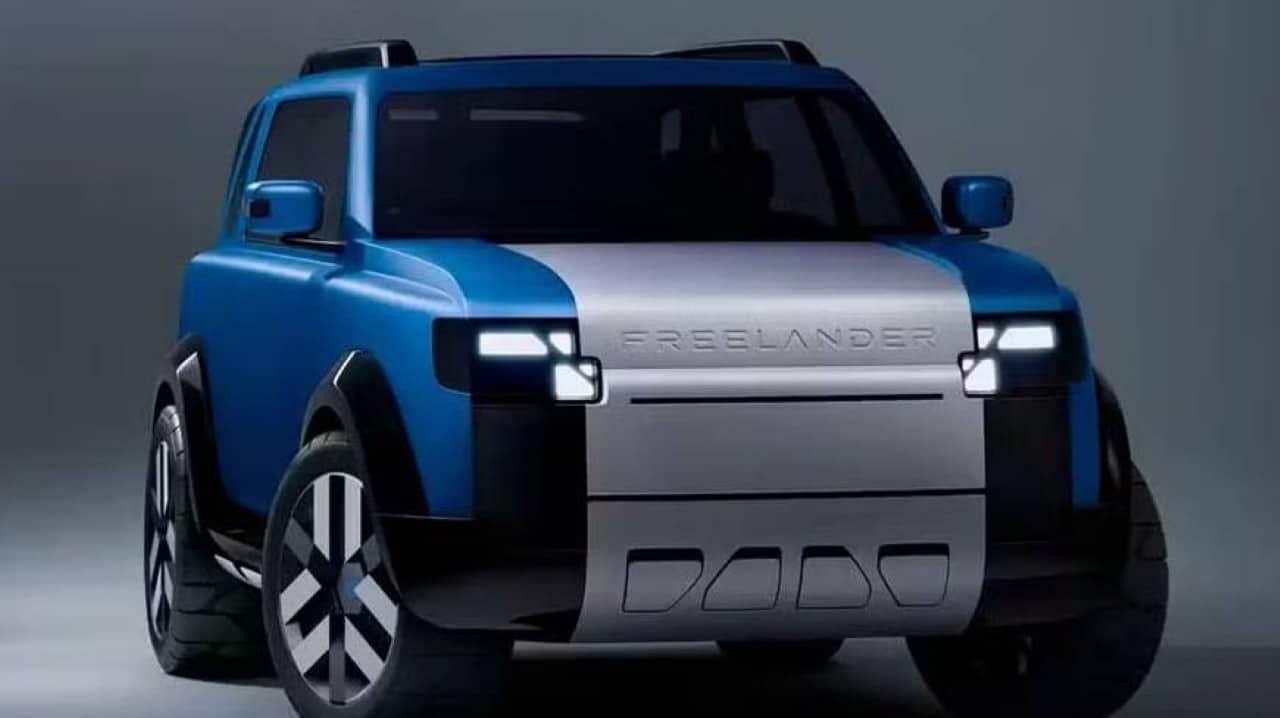
Arquitetura visual rescues classic proportions of the segment
The design department opted for straight lines and well-defined volumes in the body design. The Freelander 8 sports a traditional SUV shape, moving away from the coupe-shaped silhouettes that dominate recent launches. The flat roof ensures adequate interior space for third-row occupants. The large glass area improves visibility and increases the feeling of space in the cabin. The aesthetic proposal seeks to attract large families who need versatility in daily use.
The thick columns convey robustness to the structural set. The short front overhang and elongated rear overhang balance the proportions of the family car. The design team integrated modern elements into the classic aesthetic. Handles built into the doors reduce aerodynamic drag during road travel. The rear optical assembly adopts a continuous shape that runs across the entire trunk lid. Sensores advanced driving assistance operates from a module installed on the top of the windshield. The optimized aerodynamic coefficient directly contributes to the vehicle’s energy efficiency at high speeds.
Modular Plataforma supports different motorization options
The mechanical basis of the new product derives from the E0X architecture developed by the Chery group. The platform already supports other vehicles sold by the brands Exeed and Luxeed on the Asian continent. The flexible chassis allows the installation of different mechanical configurations without requiring profound changes to the assembly line. Consumers will be able to choose between fully electric versions and range extender variants. The hybrid system uses a combustion engine exclusively to recharge the energy accumulators during the journey. Essa technology eliminates range anxiety on long trips through regions with little charging infrastructure.
The supply of energy cells will be the responsibility of the manufacturer CATL, a global leader in the automotive battery segment. The utility’s electrical architecture supports ultra-fast charging at high-power stations. The system tolerates charging peaks of up to 350 kilowatts. Essa technical capacity significantly reduces waiting time at highway stops. Suspension calibration and steering adjustments received special attention from the British engineers at Jaguar Land Rover. The objective is to deliver dynamic behavior superior to the category standard, while maintaining comfort on bumpy roads. The integration of electronic systems required months of testing in different weather conditions.
Componentes aesthetic and functional features of the new model
The vehicle’s visual identity sets an unprecedented standard for the newly created manufacturer. The absence of a traditional front grille highlights the electrified nature of the design, improving airflow at the front. The tapered headlights contrast with the smooth surface of the front bumper. The pronounced wheel arches house light alloy wheels with an aerodynamic design aimed at reducing energy consumption.
- Logotipo illuminated integrated into the vehicle’s front panel.
- LiDAR sensors positioned on the ceiling for autonomous driving.
- Maçanetas retractable units that level with the moving body.
- Lanternas rear connected by a horizontal light bar.
- Janelas large spaces designed to maximize the entry of natural light.
The interior of the car remains under partial secrecy by the automakers. Preliminary Imagens suggests the adoption of a minimalist instrument panel, focused on driver ergonomics. The central console will house high-resolution screens for controlling entertainment and climate control functions. The absence of physical buttons reflects the current trend towards digitalization of high-end automotive cabins. The coating materials prioritize soft textures and components of sustainable origin, aligning the product with modern environmental requirements. The acoustic insulation received structural reinforcements to guarantee the silence characteristic of premium electric vehicles.
Commercial Estratégia prioritizes Asian market before expansion
The introduction of Freelander 8 will occur in a staggered manner over the next few months. The Chinese market will receive the first batches of the sport utility vehicle directly from local factories. The advanced charging infrastructure and the high demand for electrified vehicles justify the geographic priority established by the board. The local distribution network is undergoing adaptations to accommodate the new product portfolio. The joint venture plans to establish exclusive points of sale for the brand in large urban centers, separating the operation from traditional Chery and Land Rover dealerships.
International expansion figures in the automotive company’s medium-term plans. Regiões like Oriente Médio and selected European markets are part of the second phase of the export project. Engineering is working simultaneously on the development of versions with right-hand steering wheel. Essa technical adaptation will make it possible to sell the product in English-speaking countries, considerably expanding the brand’s global reach. Production volume will gradually increase depending on the acceptance of the vehicle in initial markets. The pricing strategy will seek to position the model competitively against established rivals in the large electric utility vehicle segment.





