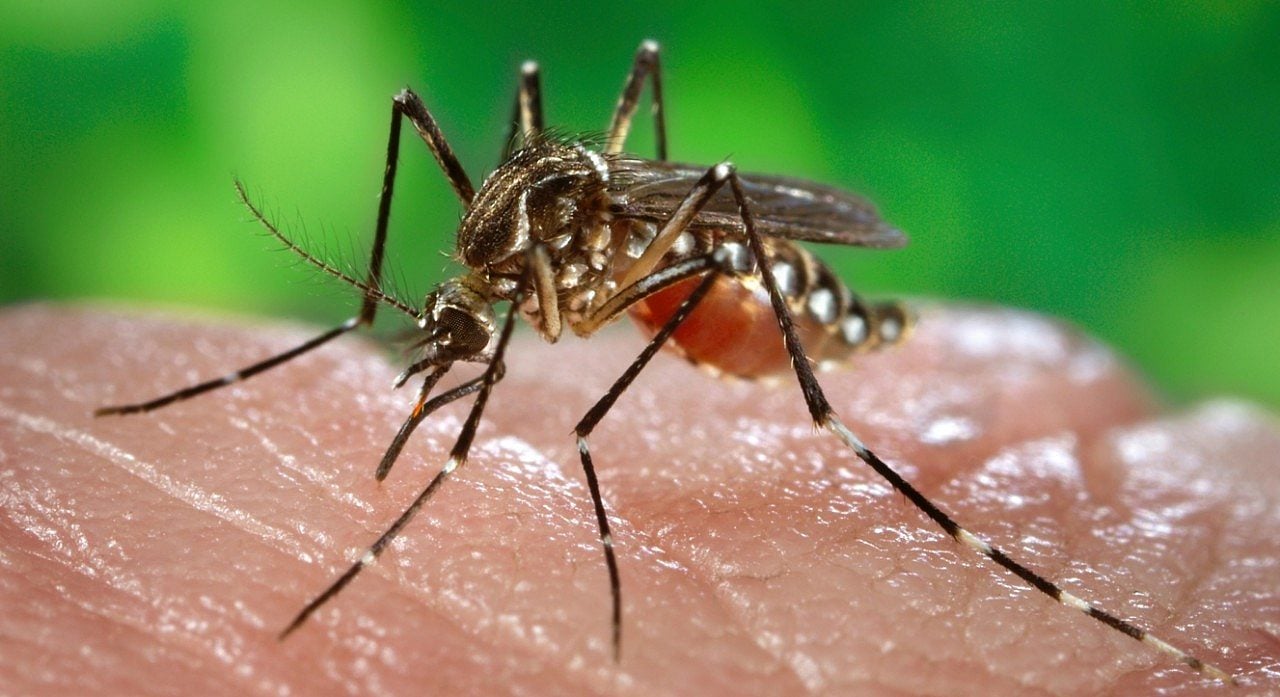
Contrário According to what most people believe, mosquitoes, also called mosquitoes, have a preference for flower nectar and plant sap. Human blood is not the main food for these insects, but a specific resource used only by females during the reproductive cycle.
Especialistas point out that the confusion arose because people only observe mosquitoes when they are looking for blood or close to humans. The natural feeding of these insects on flowers and plants goes unnoticed due to the reduced visibility of the environment.
Carboidratos as a vital source of energy
Floral nectar and elaborate plant sap provide essential carbohydrates for the survival of males and females. Segundo the biologist specializing in insects Reinaldo of Oliveira Elias, these compounds form the “vital metabolic support” of mosquitoes. The elaborated sap, different from the raw one, contains a high concentration of sucrose and complex sugars that guarantee energy for flight and the functioning of the organism.
Energy from carbohydrates is absolutely fundamental. Tanto males like females depend on this “fuel” to move around the environment and keep their biological functions running. Essa nutrition ensures the basic maintenance of the life cycle of these insects.
Sangue: only needed during playback
Blood enters the females’ diet only at specific times. Quando reach the reproductive period and need to produce eggs, they seek blood to obtain essential amino acids. Filipe Abreu, professor of Instituto Federal of Norte of Minas Gerais and supported by Instituto Serrapilheira, explains that without this protein “supplement” females are unable to mature their ovarian follicles, making reproduction impossible.
It is through human blood that females find isoleucine and iron, essential nutrients for the formation of egg yolk. Sem these components, the reproductive process is compromised. Males never feed on blood — their nutrition comes exclusively from carbohydrates of plant origin.
Why did the blood myth arise?
The origin of the idea that mosquitoes feed solely on blood lies in the popular imagination and limited human observation. Reinaldo Elias observes that it is extremely difficult to see when these insects are approaching flowers to feed, as their small size in relation to the environment makes them almost invisible in this activity.
Filipe Abreu reinforces that as we only see mosquitoes when they bite us or are looking for blood, we create the impression that this is their only food. The low visibility of this natural diet has generated the false perception that blood is their exclusive dietary preference. Essa mistaken association has perpetuated itself in popular culture over time.
The exception: mosquitoes that never suck blood
Existe is a species of mosquito that never feeds on blood, not even females during reproduction: elephant mosquitoes (Toxorhynchites). Eles are completely harmless to humans and feed only on carbohydrates from nectar and plant sap.
Species characteristics include:
- Tamanho larger than other common mosquitoes
- Alimentação exclusive in plant sources
- Larvas predators of other mosquito species
- Papel important in the biological control of hematophagous species
Elephant mosquito larvae play a fundamental role in nature: they can prey on larvae of other species, including those of Aedes aegypti, the main transmitter of dengue, zika and chikungunya viruses. Do From an ecosystemic point of view, this species acts as a natural population control agent.
The role of mosquitoes in environmental balance
Apesar from their negative reputation, mosquitoes perform important functions in the environment. Reinaldo Elias highlights that not every mosquito is a villain — many are key players in maintaining biodiversity and pollinating plant species.
The ecological functions of mosquitoes include:
- Servem as food for frogs, spiders and other predatory arthropods
- Auxiliam in the pollination process by collecting sap and nectar from plants
- Participam of population control by transmitting pathogens to other organisms
However, caution is necessary with certain species. Alguns mosquitoes can transmit diseases to humans, such as certain types of fever and Saint Louis encephalitis, a viral condition capable of progressing to severe brain inflammation if not treated properly.
Para protect yourself against bites, experts recommend the use of physical barriers such as mosquito nets and window screens, applying repellents and closing openings before dusk, the time when mosquitoes are most active in the environment.