Research proves that extreme freezing cycles on early Earth gave rise to cellular structures
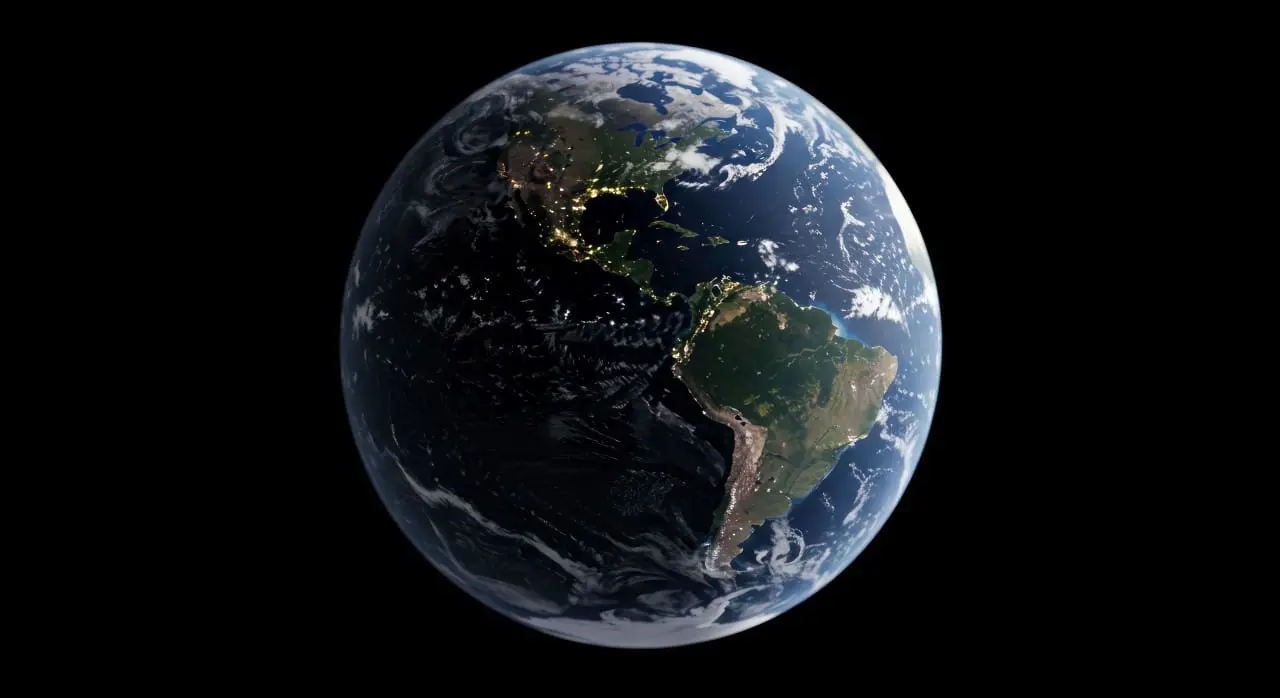
Cientistas of Instituto of Ciências of Terra and Vida of Tóquio identified an unprecedented mechanism for the initial biological formation on the planet. Recent Experimentos demonstrated that repeated cycles of freezing and thawing in ancient Terra acted as determining factors for the emergence of the first cellular structures. The research used lipid vesicles to simulate prebiotic conditions. The results indicate that variations in membrane composition affect the growth of primitive protocells. Essa dynamics offers new understanding of the chemical processes that gave rise to life.
Laboratory simulations revealed that temperature fluctuations cause different behaviors in molecular structures. Vesículas formed by lipids with a higher degree of unsaturation showed a natural tendency to merge into larger compartments after thermal shocks. The process occurred continuously during the tests. On the other hand, the units with a more rigid chemical composition remained grouped, but were unable to integrate completely. The study proves that extreme environmental stress acted as a catalyst for biological complexity.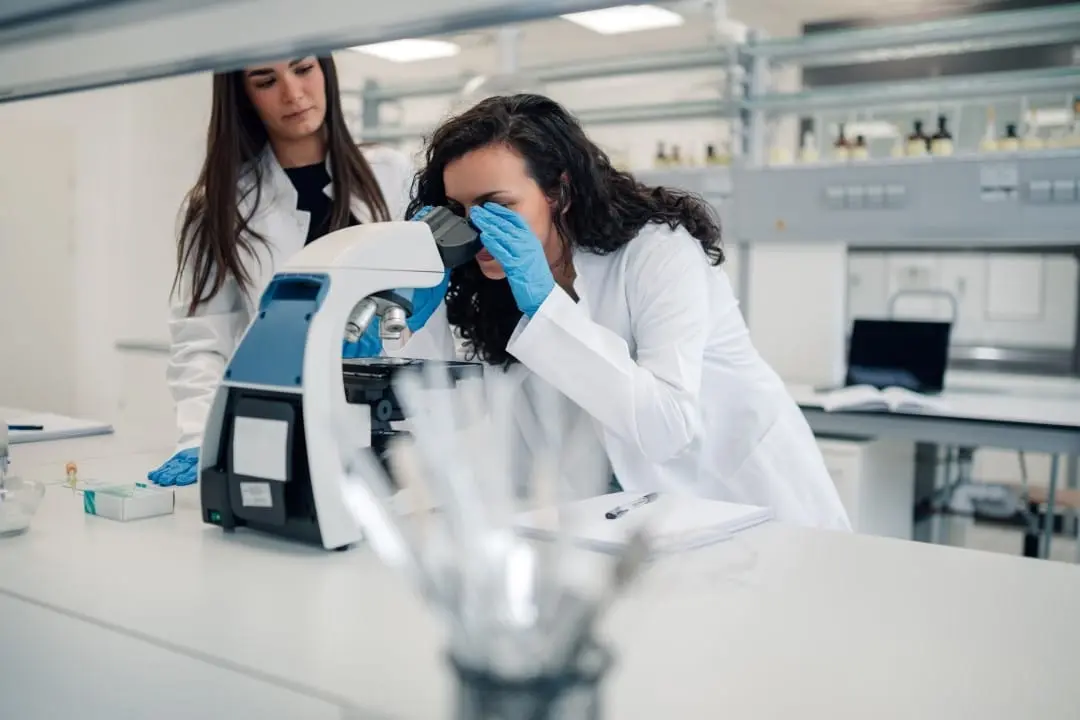
Comportamento of lipid membranes under heat stress
The research team constructed small spherical compartments, technically known as large unilamellar vesicles, to conduct the observations. Scientists used three specific types of phospholipids, each with different structural properties to form protective barriers. The material called POPC generates membranes that are considerably more rigid and resistant to deformation. Já PLPC and DOPC compounds produce significantly more fluid surfaces. Essa difference in malleability occurs due to additional chemical bonds present in the internal structure of these specific molecules.
Experts subjected these artificial structures to three consecutive cycles of freezing and thawing in a controlled environment. The main objective was to reproduce the harsh weather conditions that existed on the primitive Terra during its early stages of formation. The drastic change in temperature forced the molecules to react in varying ways. The equipment recorded fundamental differences in the physical behavior of the vesicles during water state transitions. Detailed analysis of these reactions provided the central data for the conclusion of the Japanese study.
Resultados practical laboratory simulations
Monitoring the samples after thermal shocks highlighted clear patterns of structural development. The chemical composition of each vesicle determined its fate after the ice melted. Scientists cataloged the following main reactions during the experiment:
Leia Também

Messi reaches 19 goals in FIFA World Cups with great free kick for Argentina in clash with Jordan

Cristiano Ronaldo shines beyond the pitch at the 2026 World Cup with business empire and family luxury

At 41, Cristiano Ronaldo reaffirms his historic legacy and prepares to shine in the 2026 World Cup
- POPC-rich Vesículas resulted in simple clustering without complete fusion of the walls.
- Estruturas containing PLPC or DOPC achieved effective fusion in larger volume compartments.
- The presence of a greater amount of PLPC generated faster and more intense structural growth.
- Unsaturated Lipídios acted directly to reduce the compactness of the cell membrane.
The formation of ice crystals during the freezing stage causes severe physical impacts on microscopic structures. The membranes undergo an immediate fragmentation process when the surrounding water solidifies. Posteriormente, the thawing phase requires rapid structural reorganization to maintain compartment integrity. Lipídios with a higher level of unsaturation is able to expose more hydrophobic regions during this mandatory reconstruction. Essa exposure facilitates direct interactions with adjacent vesicles, making the fusion process energetically favorable and natural.
Fusão of compartments and capture of genetic material
The cellular integration mechanism has played an irreplaceable role in the evolution of complex biological processes. The continuous fusion of primitive compartments allowed the efficient capture and retention of fundamental molecules within the structures. Early genetic material, including precursor fragments of DNA, depended on these shells to survive the inhospitable conditions of the external environment. Successive bonding events mixed different chemical compounds in a confined space. Essa mixture prepared the ideal ground for the sophisticated reactions that characterize modern life.
Tatsuya Shinoda, researcher who led the work at the Japanese institute, highlighted the relevance of the choice of materials for the accuracy of the tests. The team selected phosphatidylcholine because the substance maintains direct structural continuity with the cells found in today’s organisms. The compound was possibly available in abundance in the planet’s prebiotic conditions. Além Furthermore, the molecule demonstrates a high capacity to retain essential internal contents while withstanding the aggressions caused by repetitive thermal cycles. The precision in the choice validated the results obtained.